

May is arguably the most exciting month for any gardener, whether you’re running a sophisticated hydroponic setup in your basement or tending to a raised bed in the backyard. The "May Surge" is real, temperatures are stabilizing, the light cycles are perfect, and your plants are hitting that explosive vegetative state. But there’s a catch. You aren’t the only one noticing that lush, green growth.
To a spider mite, aphid, or fungus gnat, your garden currently looks like an all-you-can-eat five-star buffet. The faster your plants grow, the "softer" their new tissue is, making it incredibly easy for pests to pierce the cell walls and start draining the life out of your hard work.
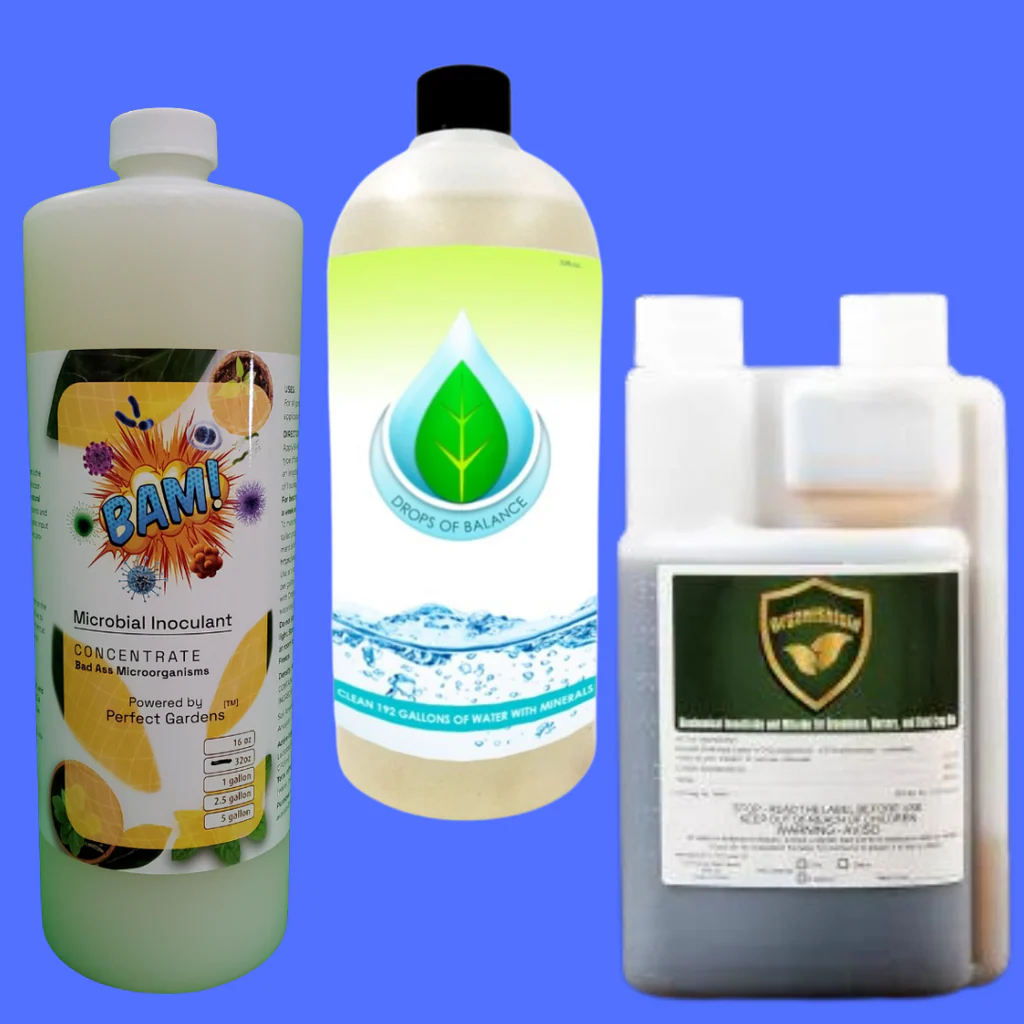
The old-school way of handling this was to reach for heavy-duty chemical pesticides. But let’s be real: nobody wants to smoke or eat chemicals. The fact of the matter is that you don't need toxic sprays to win this war. You just need a smarter strategy. At Perfect Gardens, we advocate for a two-prong approach: strengthening the plant from the inside out with a microbial inoculant and using a mechanical-kill solution like Organishield.
Why the May Surge Invites Trouble
During May, plants often experience a massive flush of nitrogen-rich growth. This growth is tender and full of sugary sap. Pests are naturally attracted to these high-sugar environments. If your environment is even slightly off, maybe your LED lights are running a bit hot or your humidity is spiking, you’ve essentially created a breeding ground.
Most growers don't notice the problem until it's an infestation. You see a little stippling on a leaf, or maybe a single tiny fly, and you think, "I'll deal with it this weekend." By the weekend, that one bug has invited five thousand of its closest friends. This is why "The War on Bugs" is won through prevention and early, natural intervention.
The Secret Weapon: Organishield
If you’ve been in the growing community for a while, you’ve probably heard of Neem oil. While Neem has its place, it can be messy, it smells like burnt peanuts, and it can actually clog the stomata (pores) of your plants if overused. This is where Organishield changed the game.

Organishield is a USDA Organic biochemical insecticide that works on a mechanical level rather than a toxic one. Most chemical pesticides work by attacking the nervous system of the bug. The problem? Bugs are incredibly fast at evolving resistance to those toxins.
Organishield works by breaking down the waxy protective coating (the exoskeleton) of the insect on contact. It essentially dehydrates them and causes their internal systems to fail almost instantly. Because it’s a mechanical kill, bugs can't develop a "tolerance" to it. It’s like trying to develop a tolerance to being stepped on, it’s just not going to happen.
Why we love it for the Spring Surge:
- No Residue: You can use it up to the day of harvest.
- Versatility: It targets mites, aphids, thrips, whiteflies, and even those annoying fungus gnats.
- Safety: It’s safe for you, your pets, and your plants. It doesn't stress the plant out the way oil-based sprays do.
Building the Fortress: The Power of Microbial Inoculants
Winning the war isn't just about killing the invaders; it’s about making the "castle" (your plant) harder to attack. This is where a high-quality microbial inoculant comes into play.
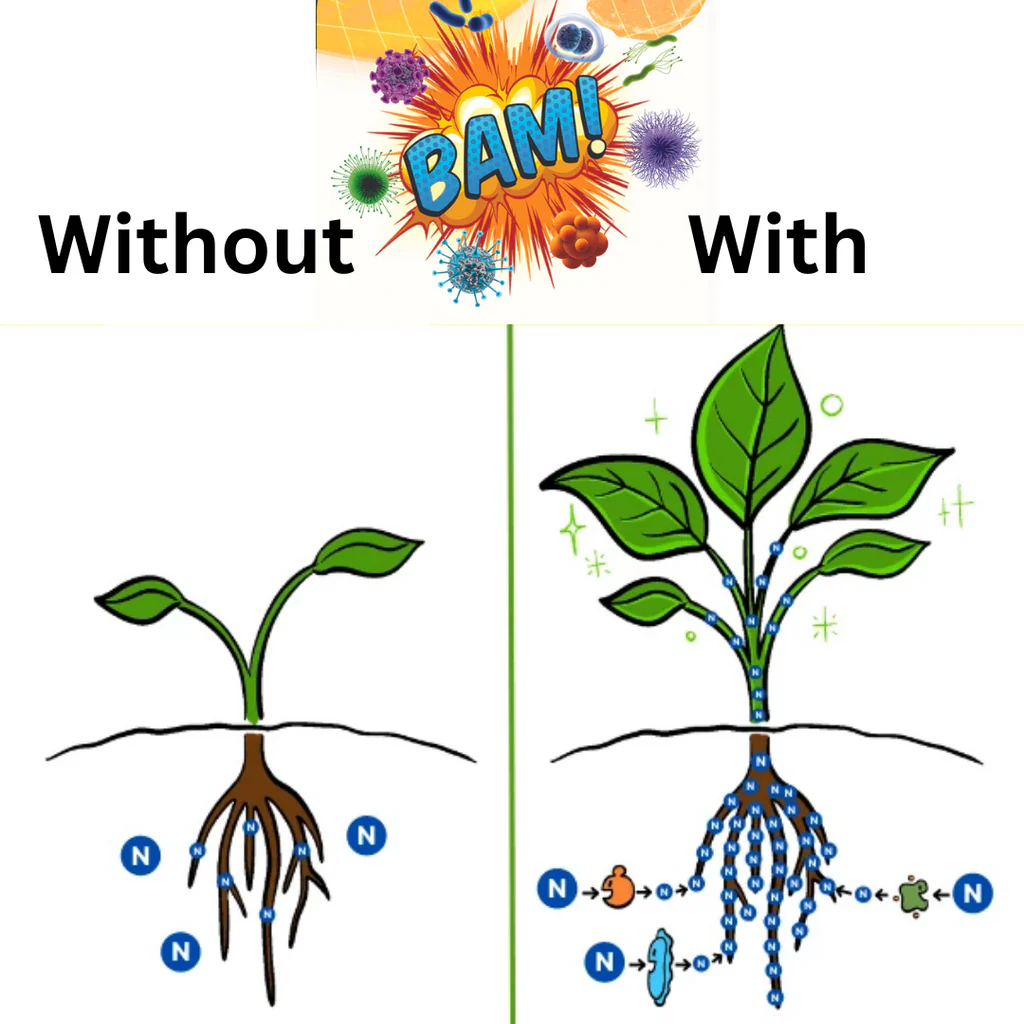
In a natural ecosystem, plants have a symbiotic relationship with bacteria and fungi. In many indoor or hydroponic setups, we lose that biological shield. By adding a product like BAM! (Beneficial Aerobic Microbes), you are essentially installing an immune system into your root zone.
When you use a microbial inoculant, several things happen:
- Systemic Resistance: Beneficial microbes stimulate the plant’s Natural Systemic Acquired Resistance (SAR). It’s like giving your plant a flu shot. The plant becomes more "alert" and produces its own natural defense compounds.
- Competitive Exclusion: In the soil or the reservoir, there is only so much "room." When you flood the zone with beneficial microbes, there is no space for pathogenic fungi or root-rotting bacteria to take hold.
- Nutrient Efficiency: Microbes break down nutrients into a form the plant can actually use. A well-fed plant is a strong plant. A strong plant has thicker cell walls, making it much harder for an aphid to poke a hole in the leaf.

Physical Barriers and Garden Hygiene
While we love our nutrients and additives, we can’t ignore the basics. If you are growing in a tent, your hygiene needs to be top-notch during the May surge.
- The "Outdoor Shoes" Rule: Never, ever walk from your backyard garden into your indoor grow room with the same shoes. You are hitchhiking spider mites and thrips directly to your prize plants.
- Airflow is Your Friend: Pests like stagnant, humid air. Use high-quality fans to keep the leaves "dancing" slightly. If the air is moving, it’s much harder for flying pests to land and lay eggs.
- Sticky Traps: These aren't just for catching bugs; they are your early warning system. Check your yellow and blue sticky traps daily. If you see two fungus gnats today, you need to hit the reservoir with a microbial inoculant and Organishield tomorrow.
The Perfect Gardens "Spring Shield" Protocol
If you want to stay ahead of the curve this May, here is the protocol we recommend for our community. It’s simple, effective, and keeps your garden clean.
1. The Root Soak
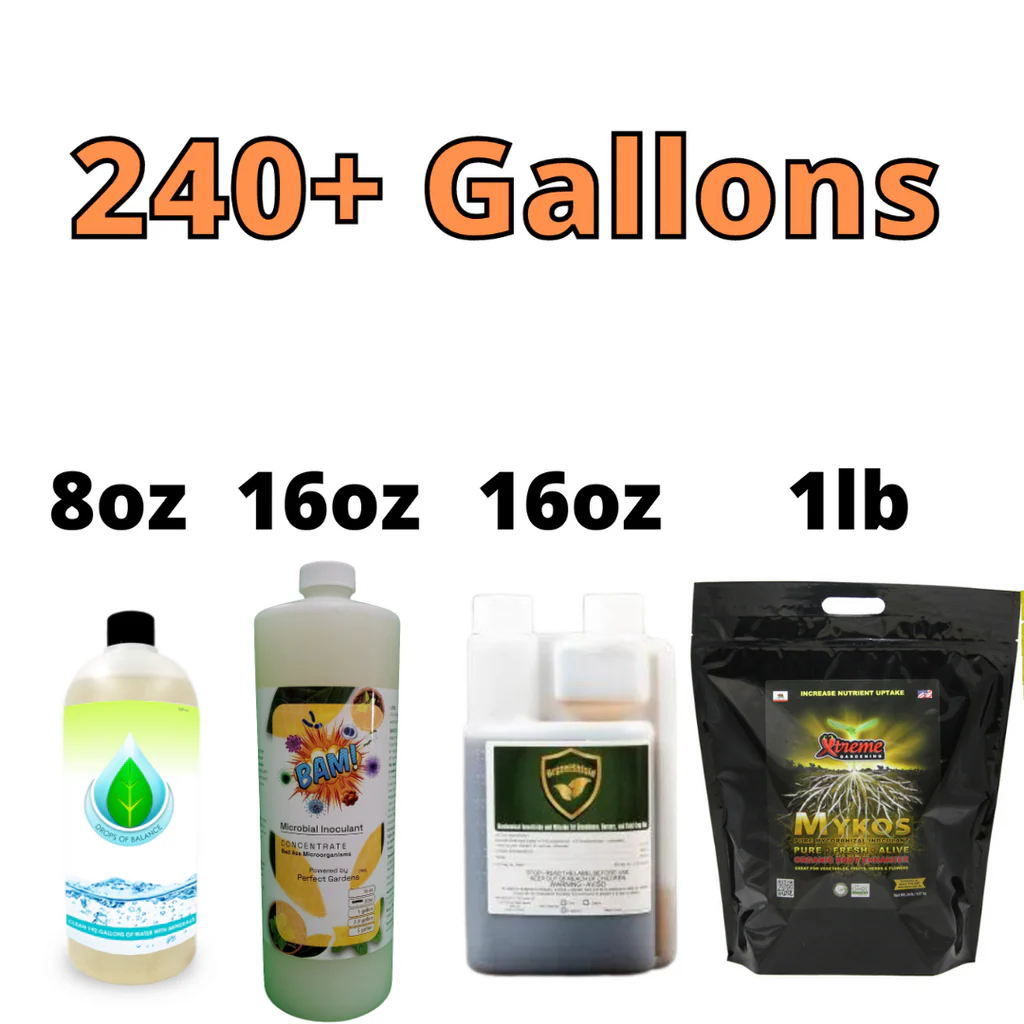
Mix BAM! or a complete kit like the Nutrient and Microbial Inoculant Kit into your feeding schedule once a week. This ensures your roots are colonized by the good guys. If you're using a drip siphon system, this is incredibly easy to automate.
2. The Preventative Foliar Spray
Don't wait for bugs to show up. Once a week, during the "lights off" period (or in the early evening for outdoor plants), give your plants a light misting with a diluted Organishield solution. Focus on the undersides of the leaves: that’s where the villains hide.
3. Monitor Your Water
Poor water quality stresses plants, and stressed plants emit infrared signals that bugs can actually "see" like a neon "Open for Business" sign. Use Drops of Balance to ensure your water is purified and optimized for nutrient uptake.
Common Misconceptions: "Organic Doesn't Work"
We hear this all the time: "I tried the natural stuff and it didn't work, so I had to use the heavy chemicals."
The truth is, natural pest control usually "fails" because of timing, not the product. If you wait until your plant is covered in webbing, you're in for a rough time regardless of what you use. The key to natural success is consistency.
Chemicals are like a sledgehammer; they're effective but they break everything in the process. Natural solutions like Organishield and microbial inoculants are like a security system. They work quietly in the background, but they require you to keep the batteries charged and the sensors clean.
Caution: Know Your "Good Bugs"
If you are growing outdoors, remember that not every bug is an enemy. Ladybugs, lacewings, and predatory mites are your best friends. The beauty of using something like Organishield is that while it is effective on contact, it doesn't leave a toxic residue that lingers for weeks and kills the "good guys" who arrive later.
However, we always recommend spraying in the evening when pollinators like bees have gone back to their hives. Even though it's organic, we want to be respectful of the local ecosystem.
Final Thoughts for the May Surge
The "War on Bugs" doesn't have to be a stressful, chemical-filled ordeal. By focusing on plant health through a microbial inoculant and having a bottle of Organishield ready in your grow essentials kit, you can enjoy the explosive growth of spring without the heartbreak of an infestation.
The fact of the matter is that a healthy garden starts at the microscopic level. Feed the soil, protect the leaves, and keep your environment dialed in. If you do those three things, the bugs won't even stand a chance.
Ready to gear up for the surge? Check out our complete collection of nutrients and organic pest solutions to keep your garden thriving all season long. Let’s make this May your biggest harvest yet!


Leave a comment
This site is protected by hCaptcha and the hCaptcha Privacy Policy and Terms of Service apply.