

When you are setting up your indoor garden, it is easy to get caught up in the flashy tech. You spend hours researching the best LED lights or the most precise controllers. But one of the most critical decisions you will make happens right at the ground level: what are you going to put your plants in?
The debate between fabric grow pots and traditional plastic containers has been running for years. While plastic has been the industry standard for decades, fabric technology has completely changed how indoor growers approach root health. The truth is, the container you choose acts as the "house" for your plant's root system. If the house is poorly designed, the inhabitant: your plant: will never reach its full potential.
In this guide, we are going to break down the science of aeration, the reality of root circling, and which container ultimately wins for an indoor hydroponics or soil setup.
The Traditional Choice: Plastic Pots
Plastic pots are the "old reliable" of the gardening world. You see them everywhere, from commercial nurseries to local hardware stores. They are usually made of high-density polyethylene and come in various shapes and sizes.
Why Growers Still Use Plastic
The main reason plastic remains popular is cost and convenience. They are incredibly cheap to manufacture and buy in bulk. If you are running a massive operation on a tight budget, plastic is often the default choice.
Furthermore, plastic is non-porous. This means it holds moisture much longer than fabric. If you are a grower who doesn't want to water every single day, or if you live in an extremely dry climate, plastic can actually be a benefit because it prevents the medium from drying out too quickly. They are also much easier to clean and sanitize between grows; a quick soak in a mild bleach solution or specialized cleaner, and they are as good as new.
The Downside: The "Death Spiral"
The biggest issue with plastic pots is how they handle root growth. Roots naturally grow outward. In a plastic container, when a root hits the hard, slick wall, it has nowhere to go. It begins to follow the curve of the wall, spiraling around and around. This is known as being "root-bound."
Over time, these spiraling roots become a thick, woody mass that chokes the plant. This restricts nutrient uptake and can lead to a stunted plant that struggles to stay hydrated.

The Modern Alternative: Fabric Grow Pots
Fabric grow pots were designed specifically to solve the limitations of plastic. Usually made from breathable, felt-like geotextiles, these pots allow for a level of gas exchange that is impossible in a sealed plastic bucket.
The Magic of Air Pruning
The standout feature of fabric pots is a process called "air pruning." When a root reaches the edge of a fabric pot, it senses the air coming through the porous material. Instead of spiraling, the tip of the root naturally dries out and stops growing.
This might sound like a bad thing, but it actually triggers the plant to send out hundreds of small, lateral "feeder roots" from the center. Instead of a few long, circling roots, you end up with a massive, fibrous root system that fills the entire volume of the soil. More surface area on the roots means more nutrient absorption and faster growth.
Temperature and Aeration
Indoor grow rooms can get hot, especially under high-intensity lighting. Plastic pots act like insulators, trapping heat inside the root zone. High root zone temperatures are a recipe for disaster, often leading to low dissolved oxygen and the dreaded root rot.
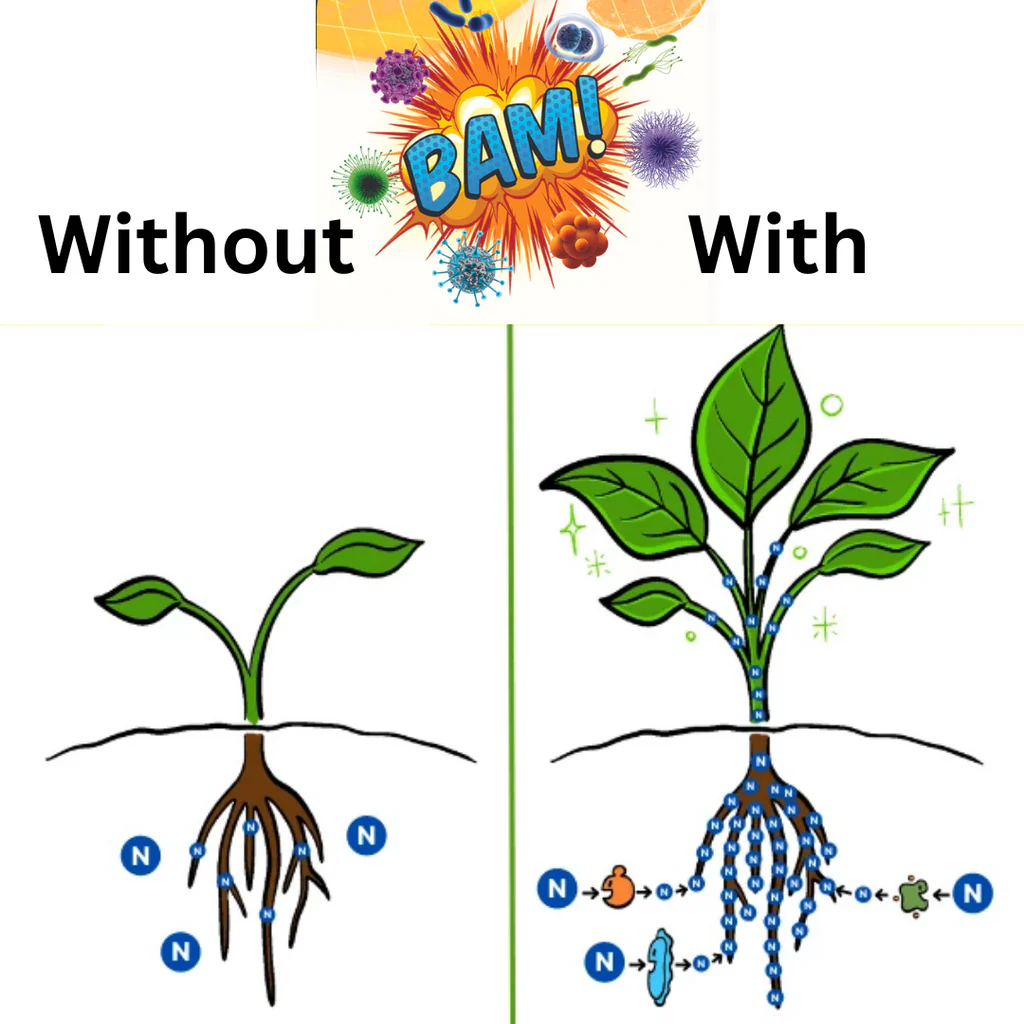
Fabric pots allow the root zone to "breathe." As water evaporates through the sides of the fabric, it creates a natural evaporative cooling effect. This keeps the roots several degrees cooler than they would be in plastic, which is vital for maintaining a healthy microbial environment. If you are using beneficial inputs like BAM! Microbial Inoculant, those microbes need oxygen to thrive. Fabric pots provide that oxygen in abundance.
Comparing Root Health: A Side-by-Side Look
When we look at the internal environment of these two containers, the differences become stark.
- Oxygen Levels: Fabric pots provide constant oxygenation to the entire root mass. Plastic only allows oxygen through the top surface of the soil.
- Drainage: It is almost impossible to overwater a fabric pot because the excess water leaks out of the sides. In plastic, if your drainage holes get clogged or are too small, water pools at the bottom, creating an anaerobic zone.
- Root Structure: Fabric creates a dense, branching root system. Plastic creates a circling, "pot-bound" system.
The fact of the matter is that most beginner mistakes in indoor growing involve overwatering. Fabric pots are much more forgiving for the novice grower because they naturally regulate moisture and air.

Specific Spotlight: Grassroots Fabric Pots
Not all fabric pots are created equal. Some "cheap" fabric bags on the market are too thin and dry out way too fast, forcing you to water multiple times a day. This is where brands like Grassroots have changed the game.
Grassroots fabric pots often feature a specialized moisture-control liner. This liner covers the top few inches of the fabric, preventing the "top-down" drying that can happen with standard bags. This helps direct the water downward and keeps the biology in your soil alive and active near the surface, while still allowing for air pruning at the bottom and sides.
This hybrid approach gives you the root-health benefits of fabric without the headache of your medium drying out every six hours. If you are using a raised bed setup or larger containers, the Grassroots style is often preferred for maintaining a consistent moisture gradient.

Maintenance and Durability
While fabric pots win on plant health, they do require a bit more work from the grower.
Cleaning: You can’t just wipe down a fabric pot. After a harvest, you’ll find small root hairs embedded in the fabric. To reuse them, you usually need to dry them out, brush off the excess dirt, and throw them in a washing machine with some OxyClean or a similar hydrogen peroxide-based cleaner.
Longevity: A high-quality plastic pot can last ten years or more if handled carefully. Fabric pots generally have a lifespan of 3 to 5 years before the material begins to degrade or the salt buildup from nutrients becomes too difficult to wash out.
Salt Buildup: In a fabric pot, as water evaporates through the sides, it leaves behind mineral salts. Over time, you may see a white, crusty film on the outside of your bags. While this is normal, it can eventually affect the pH of your medium if not managed. This is less of an issue in plastic, where salts can only exit through the bottom drainage.
Which Is Better for Your Indoor Setup?
So, which should you choose? It really depends on your specific goals and your irrigation style.
Choose Plastic Pots If:
- You are on a very tight budget.
- You want to water less frequently. Plastic retains moisture for a longer duration.
- You are growing in a very low-humidity environment. (Fabric might dry out too fast here).
- You want the easiest possible cleanup.
Choose Fabric Grow Pots If:
- You want maximum growth rates. The increased oxygen and root branching lead to faster-growing plants.
- You struggle with overwatering. The drainage in fabric is superior.
- You are using organic living soil. Soil biology thrives on the oxygen that fabric provides.
- You are using high-performance nutrients. To get the most out of your nutrients, you need a root system capable of absorbing them.
The Verdict
For the vast majority of indoor hobbyists and professional craft growers, fabric grow pots are the superior choice. The benefit of air pruning alone is enough to justify the slightly higher cost and the extra effort in cleaning. When you see the difference in root density between a plant grown in a plastic bucket versus one grown in a fabric bag, it’s hard to ever go back.
If you are worried about the drying time, consider a hybrid setup. You can use fabric pots with an automated watering system, like Blumat stakes, to keep the moisture levels perfectly dialed in. This gives you the best of both worlds: the aeration of fabric and the convenience of plastic.
Whatever you choose, remember that the container is only one part of the equation. Ensure you have a solid foundation with high-quality seedling trays and proper lighting to give your roots the best start possible. At Perfect Gardens, we believe that healthy roots are the secret to a heavy harvest: and more often than not, that starts with a fabric pot.


Leave a comment
This site is protected by hCaptcha and the hCaptcha Privacy Policy and Terms of Service apply.