

As we crawl out of the cooler spring months and head toward the peak of summer, every grower starts worrying about one thing: heat. We spend a lot of time obsessing over our LED lights and nutrient ratios, but often, the most fundamental part of the garden is the one we ignore: the container.
If you are still using traditional plastic pots for your summer grow, you might be unknowingly putting your plants into a slow-cooker. The fact of the matter is that plastic containers are essentially thermal insulators. While that might be okay in a climate-controlled room in the dead of winter, it’s a recipe for disaster once those June temperatures start to climb.
In this guide, we’re going to dive into why fabric grow pots are the superior choice for managing heat and why your plastic pots might be the silent killer in your garden this season.
The "Oven Effect": How Plastic Stresses Your Roots
Think about the materials we use in everyday life. If you want to keep a cup of coffee hot, you put it in a container that traps heat. Plastic is a fantastic insulator. In a garden setting, this is exactly what you don't want when the ambient temperature is already 85°F or higher.
When the sun hits a black plastic pot, the material absorbs that solar radiation and transfers it directly into the soil. Because plastic isn't breathable, that heat has nowhere to go. It gets trapped. Within a few hours, the root zone temperature can soar well above the air temperature.

Why Heat is a "Root Killer"
Roots are the engine of your plant. When the root zone gets too hot (typically anything over 75-80°F for extended periods), several bad things happen:
- Metabolic Slowdown: The plant shifts from growth mode to survival mode.
- Oxygen Depletion: Hotter water and soil hold less dissolved oxygen. Without oxygen, your roots literally suffocate.
- Pathogen Paradise: Pythium (root rot) thrives in warm, anaerobic conditions.
If you’ve ever seen your plants wilting in the afternoon even though the soil is wet, you aren't looking at a thirsty plant: you're looking at a plant with "cooked" roots that can no longer process water.
The Fabric Advantage: Evaporative Cooling
This is where fabric grow pots change the game. Unlike plastic, fabric is porous. It’s the difference between wearing a plastic rain poncho and a breathable cotton t-shirt on a 90-degree day.
The primary way fabric pots manage heat is through evaporative cooling. As moisture moves through the breathable fabric walls and hits the outside air, it evaporates. This phase change from liquid to gas actually pulls heat away from the root zone. It’s the exact same mechanism your body uses when you sweat to stay cool.
Research shows that the growing medium in fabric pots can stay significantly cooler than the medium in plastic pots under identical conditions. This faster and more precise temperature regulation keeps the roots in that "Goldilocks zone" where they can continue to uptake nutrients even during a heatwave.

Beyond Temperature: The Magic of Air Pruning
While we’re talking about heat, we can't ignore the structural benefit of fabric: Air Pruning.
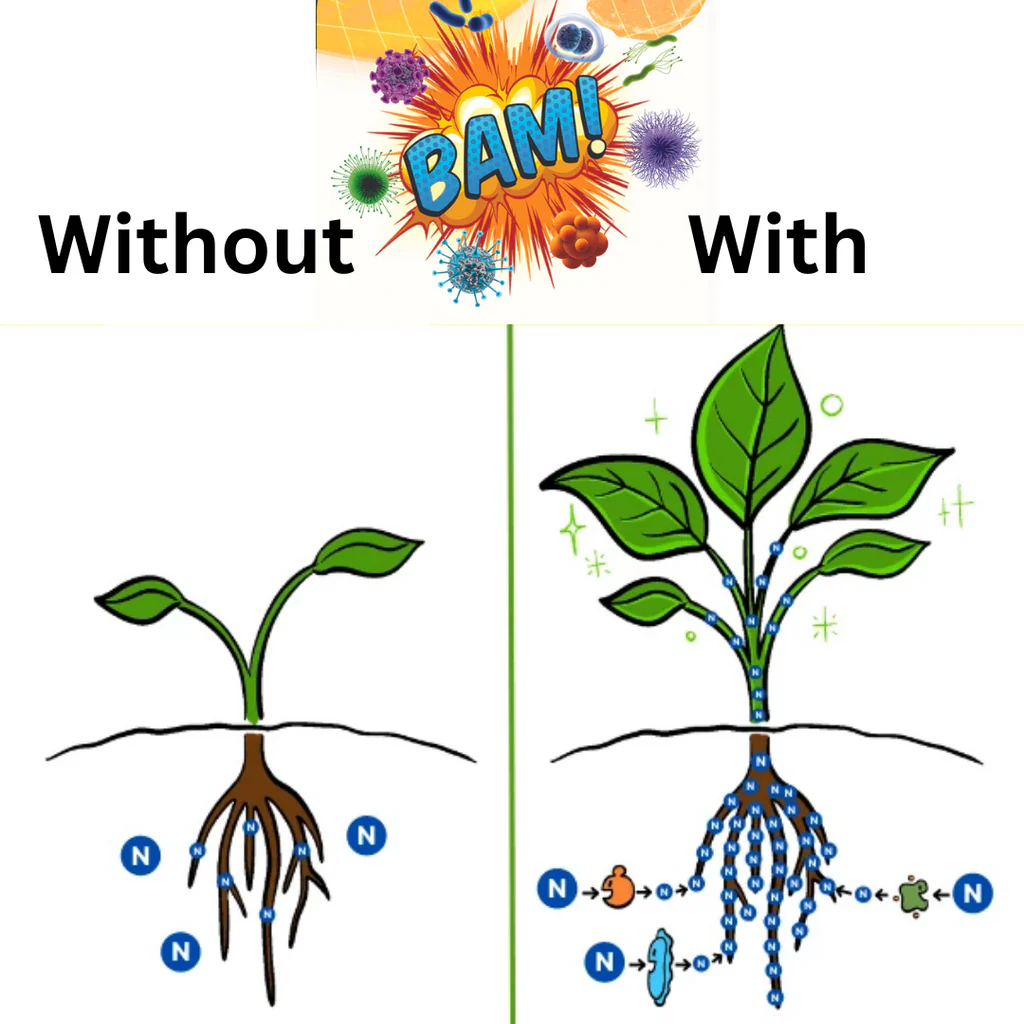
In a traditional plastic pot, when a root hits the edge, it keeps growing. Since it can't go through the plastic, it starts to circle the container. This leads to "root-bound" plants where the roots eventually choke themselves out, creating a tangled mess that can't efficiently absorb nutrients.
In a fabric pot, when the root tip reaches the side, it is exposed to air. The air naturally "burns" or prunes the tip of that root. Instead of circling, the plant responds by sending out hundreds of new, fibrous feeder roots from the center.
The result? A massive, dense root system that fills every cubic inch of the pot. A bigger root system equals a bigger harvest. It’s that simple.
Why Proper Drainage Prevents Summer Rot
Heat isn't the only enemy in the summer; humidity and overwatering often go hand-in-hand with rising temps. In plastic pots, water can easily pool at the bottom, creating a "dead zone" of stagnant, hot water. This is where root rot starts.
Fabric pots offer superior drainage. Because the entire container is porous, excess water doesn't just sit at the bottom: it escapes through the walls. This significantly reduces the risk of overwatering. However, there is a catch: fabric pots dry out faster.
Because they breathe and evaporate moisture to stay cool, you will find yourself watering more frequently. For many growers, this is where a high-quality irrigation system becomes a lifesaver. Using something like a Blumat system with fabric pots is the "cheat code" for summer gardening; the plant gets water exactly when it needs it, and the fabric pot ensures the roots stay cool and oxygenated.
Color and Material: Does it Matter?
If you are growing outdoors or in a high-intensity greenhouse, the color of your pot matters more than you think. While black fabric pots are the industry standard, they still absorb a fair amount of solar heat.
Growers in extreme heat (think Arizona or Southern California) often opt for tan or white fabric pots. The lighter color reflects solar radiation rather than absorbing it, providing an extra layer of protection for the root zone.
If you are looking for a heavy-duty solution, something like the Grassroots Fabric Raised Bed is a fantastic middle ground. These are designed with a liner that helps retain some moisture while still allowing for the air pruning and cooling benefits at the top and bottom.

Supporting Your Roots Through the Heat
Switching to fabric pots is the first step, but you also need to ensure the biology in your soil can handle the stress. High temperatures can be hard on the beneficial microbes that help your plants eat.
When the heat kicks up, we always recommend doubling down on microbial inoculants. Products like BAM! or Mykos help create a symbiotic relationship with the roots. These microbes act as a buffer, helping the plant access water and nutrients even when the environment isn't perfect.
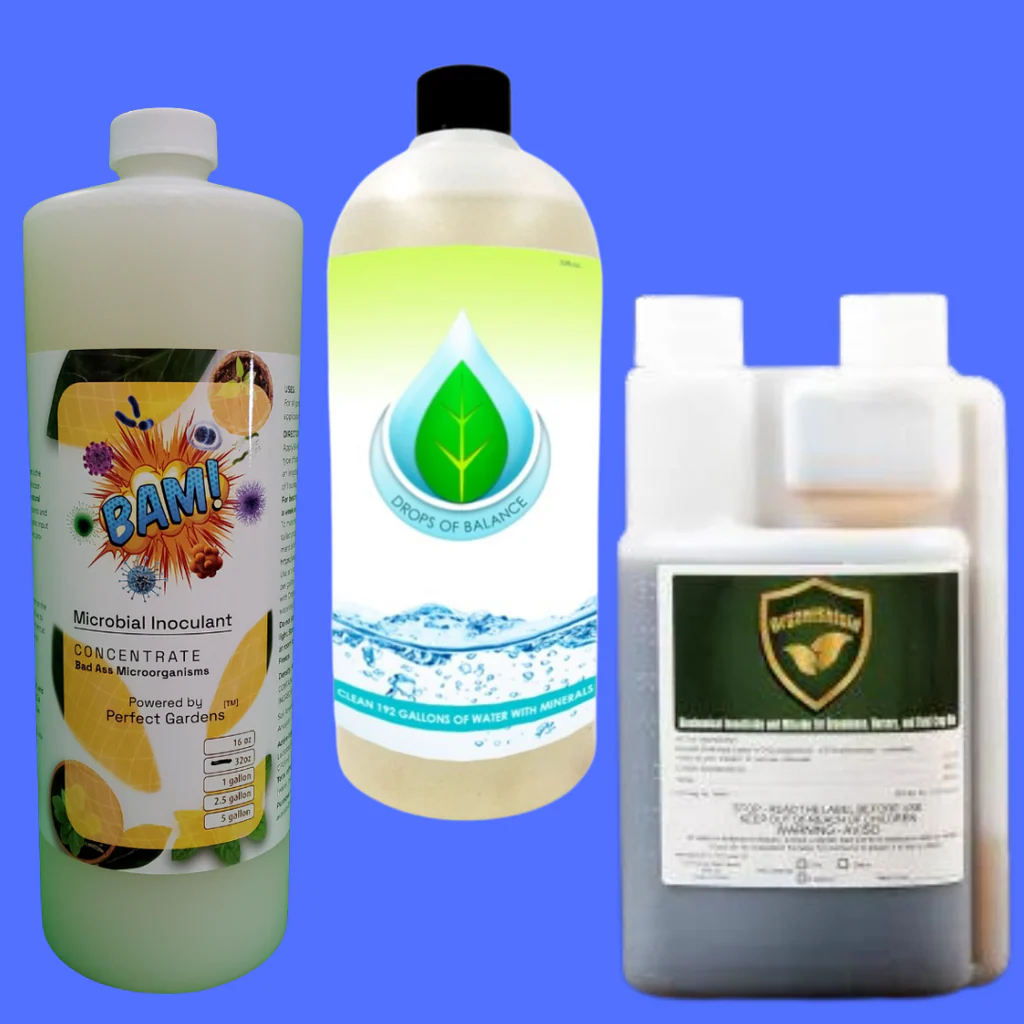
Think of microbes as the "immune system" for your root zone. In a fabric pot, these microbes have plenty of oxygen to breathe, allowing them to colonize the root zone much more effectively than they would in a stagnant, hot plastic pot.
Step-by-Step: Transitioning to Fabric Pots
If you’re ready to ditch the plastic and save your summer harvest, here’s how to do it right:
- Choose the Right Size: Because fabric pots encourage more efficient root growth, you can often get away with a slightly smaller pot than you would in plastic. However, for summer heat, a larger volume of soil acts as a better thermal buffer. We usually recommend 5-to-7-gallon pots for most indoor/outdoor annuals.
- Pick Your Medium: Fabric pots work great with soil, coco coir, or specialized hydroponic mixes. Just remember that high-aeration mixes (like coco/perlite) will dry out even faster in fabric.
- Prepare for Watering: Check your plants daily. In the peak of July, a plant in a fabric pot might need water twice a day. If that sounds like too much work, look into automatic watering stakes.
- Elevate the Pots: Don't set your fabric pots directly on hot concrete or wood decks. Use a pot elevator or a pallet to allow air to circulate under the pot. This maximizes the air-pruning effect on the bottom.
Summary: Don't Let Your Roots Cook
The transition from May into June and July is the most "make or break" time for a garden. You can have the best nutrients and the most expensive lights, but if your roots are sitting in a 100-degree plastic oven, your yields will suffer.
Fabric grow pots are a low-cost, high-impact upgrade. They offer:
- Active cooling through evaporation.
- Better oxygenation for the root zone.
- Air pruning for a more massive root structure.
- Superior drainage to prevent root rot.
It seems like a small change, but in the world of gardening, the "below the belt" health of your plant determines everything that happens above the soil.
If you're looking to gear up for the summer surge, check out our full range of grow essentials and get those fabric pots ready before the real heat hits!

Leave a comment
This site is protected by hCaptcha and the hCaptcha Privacy Policy and Terms of Service apply.