

July is the month that separates the hobbyists from the masters. As the summer sun beats down on your outdoor garden: or ramps up the ambient temperature in your indoor grow room: your plants are fighting a silent battle against heat stress. When temperatures climb past the 85°F (29°C) mark, most plants begin to "hunker down." They close their stomata to preserve water, which effectively halts photosynthesis. No photosynthesis means no growth, and if the heat persists, you’re looking at wilted leaves, nutrient lockouts, and a significant hit to your final harvest.
While most growers focus on keeping their root zones cool (which is vital), there is a high-performance technique that can provide immediate relief: foliar spraying. Using foliar sprays as a cooling agent and a direct delivery system for the best nutrients for hydroponics can drop your canopy temperature and keep the "engines" of your plants running even when the thermostat says they shouldn't be.
The Science of Heat Stress and Foliar Relief
To understand why foliar spraying works so well in the summer, we have to look at plant physiology. Under normal conditions, plants "sweat" through a process called transpiration. Water moves from the roots, through the stem, and out of the stomata (tiny pores) on the leaves. This evaporation cools the plant.
However, during a July heatwave, the rate of evaporation can outpace the roots' ability to pull up water. The plant panics, closes its stomata to prevent dehydration, and the internal temperature of the leaf begins to spike. Research has shown that foliar applications of specific micronutrients and plant growth regulators (PGRs) can actually lower the canopy temperature by 2-3°C. That might not sound like a lot, but in the world of plant metabolism, a 3-degree difference is the difference between a plant that is thriving and one that is merely surviving.

Why Direct Delivery Matters in the Summer
The fact of the matter is that root uptake is an energy-intensive process. When a plant is stressed by heat, it doesn't want to work harder to pull minerals through the soil or the hydroponic solution. Foliar spraying bypasses the root system entirely, delivering essential elements directly into the leaf tissue where they are needed most.
This rapid translocation of nutrients allows the plant to maintain its osmotic potential, basically, its ability to keep its cells hydrated and turgid. When you apply a fine mist to the leaves, you aren't just giving them a "drink"; you are providing the chemical tools they need to scavenge reactive oxygen species (ROS) and reduce membrane damage caused by high thermal energy.
The Heat-Shield Cocktail: Key Ingredients
If you want to use foliar spraying as a summer survival tool, you can’t just spray plain tap water. You need a targeted mix of minerals and microbes. According to recent agricultural research, a combination of Zinc (Zn), Iron (Fe), and Boron (B) provides the most comprehensive relief from heat stress.
- Zinc (Zn): Zinc is a powerhouse for maintaining cell water relations. It helps the plant manage its internal "plumbing," ensuring that even under high heat, the cells don't collapse.
- Boron (B): This is the regulator. Boron helps manage stomatal opening and gaseous exchange. By keeping the stomata functioning correctly, the plant can continue to breathe and cool itself through transpiration.
- Iron (Fe): Iron is essential for chlorophyll production. Since heat stress often leads to "bleaching" or yellowing of the leaves, a foliar dose of iron keeps the photosynthetic machinery green and productive.
- Silica: While not always mentioned in general agriculture, silica is a secret weapon for Perfect Gardens growers. It strengthens the cell walls, creating a physical barrier against heat and pests.
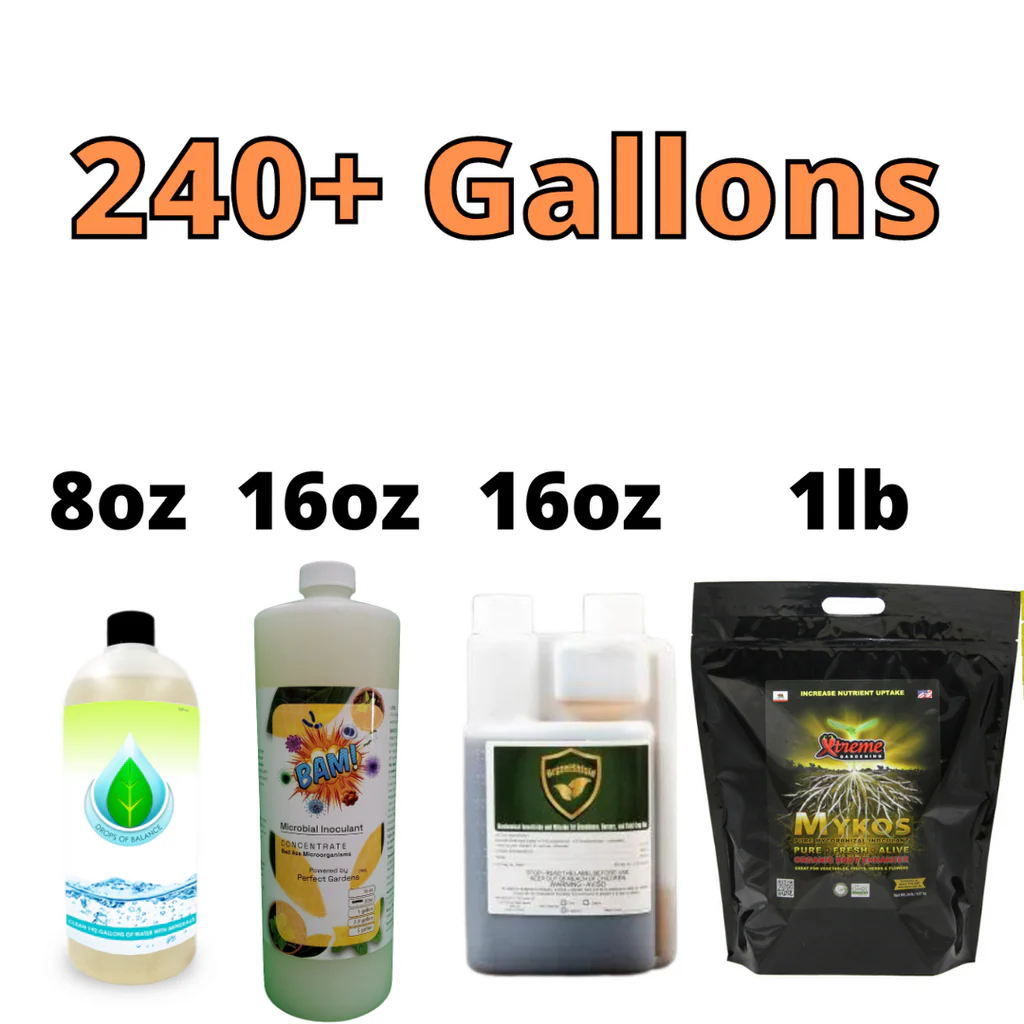
Using a Nutrient and Microbial Inoculant Kit that includes mineral concentrates is the most efficient way to build this cocktail. Products like Drops of Balance provide a concentrated source of trace minerals that are perfect for mineralizing your spray water.
Step-by-Step: How to Spray for Maximum Cooling
Foliar spraying in the summer requires a bit of finesse. If you do it wrong, you can actually cause more harm than good by magnifying light through water droplets and burning your leaves.
1. Timing is Everything
Never spray in the middle of the day or when your high-intensity lights are at full power. The ideal time is either early in the morning (before the sun hits the garden) or right as your lights are turning off/dimming. This allows the plant time to absorb the nutrients before the water evaporates. For heat relief specifically, some growers prefer a "pre-dawn" spray to hydrate the leaves before the peak heat of the day arrives.
2. Check Your pH
This is a technical point that many beginners miss. Your foliar spray solution should generally be slightly more acidic than your root-zone solution. Aim for a pH between 5.5 and 5.8. This ensures the nutrients remain in a chelated, plant-available form so they can actually pass through the leaf cuticle.
3. Use a Wetting Agent
Water has high surface tension; it wants to bead up and roll off the leaf. To get the "best nutrients for hydroponics" into the plant, you need a surfactant or "wetting agent." A high-quality microbial inoculant or even a tiny drop of organic soap can break that tension, allowing the spray to coat the leaf in a thin, even film.
4. Target the Underside
Most of a plant’s stomata are located on the underside of the leaf. If you only spray the tops, you’re missing the main "doors" to the plant's internal system. Use a 360-degree sprayer to ensure you hit the bottoms and the stems.

Using Drops of Balance in your spray mix ensures the water is purified and mineralized, preventing any heavy metals or chlorine from clogging the delicate leaf pores.
The Role of Microbes in Heat Tolerance
We often think of microbes like Bacillus or Mycorrhizae as soil-only residents. However, foliar application of beneficial bacteria can provide a biological shield against heat. Nitrogen-fixing microbes, when applied to the leaf surface, can help the plant maintain its vigor even when the roots are struggling with warm reservoir temperatures.
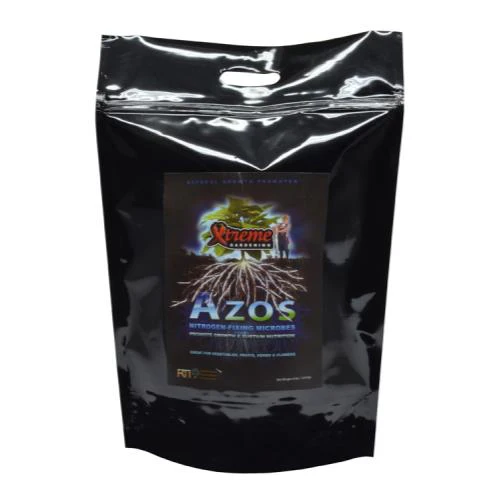
Products like Azos can be incorporated into a foliar regimen to boost growth hormones like Auxins, which help the plant recover from the "stall" caused by July temperatures.
Caution: Humidity and Pest Management
While foliar spraying is a lifesaver, it’s not without risks. In a humid indoor environment, spraying late at night can lead to Powdery Mildew (PM) or bud rot if your airflow isn't perfect. It seems more like a simple fix, but if you don't have fans moving that air, you're just trading heat stress for fungal issues.
Furthermore, heat brings pests. Spider mites, in particular, love the hot, dry conditions of a July grow room. While you are foliar spraying for nutrients, it’s a smart move to integrate organic pest prevention into your cycle.

OrganiShield is a great addition to your summer toolkit. Since it’s USDA organic and works on contact, you can use it to keep the "summer surge" of pests at bay while you're focused on temperature control.
Conclusion: Turning the Heat into an Advantage
The goal of summer gardening isn't just to keep your plants from dying; it's to keep them thriving. By implementing a strategic foliar spraying program, you can achieve yield improvements of up to 35-37%, according to research on stressed plants.
When you combine the best nutrients for hydroponics with the rapid delivery of a foliar mist, you give your garden the ability to ignore the thermometer. You’re providing the minerals for cell strength, the boron for breathing, and the water for cooling.
If you're feeling overwhelmed by the July heat, check out our Grow Help Videos for more technical breakdowns on climate control, or join the Army of Growers to share your summer success stories. The fact of the matter is, with the right tools and a little bit of science, you can grow world-class crops in any weather. Keep those sprayers full and your canopy cool!


Leave a comment
This site is protected by hCaptcha and the hCaptcha Privacy Policy and Terms of Service apply.