
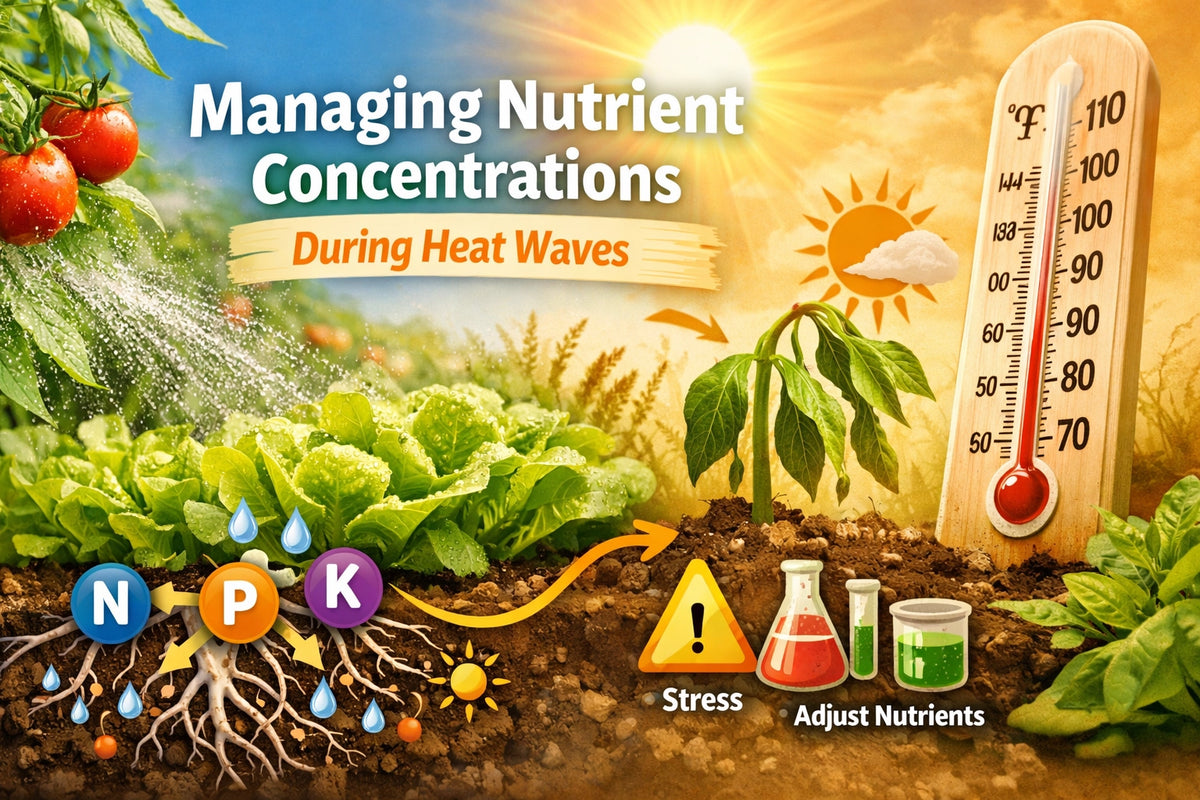
As the July sun starts beating down, indoor growers often find themselves in a silent battle with their environment. Even with high-end grow tents and ventilation, ambient temperatures can creep up, and when the heat rises, your plants’ physiology changes. One of the most common mistakes growers make during a heat wave is maintaining their standard feeding schedule.
The fact of the matter is that a plant’s appetite for water and its appetite for minerals are two very different things. When the room gets hot, your plants transition from "eating" to "drinking" to survive. If you don't adjust your nutrient concentrations accordingly, you risk toxic salt buildup, nutrient burn, and potentially losing your entire crop to root stress.
The Science of Transpiration and Heat Stress
To understand why we need to adjust our nutrients, we have to look at how plants handle heat. Plants use a process called transpiration to keep cool. Think of it as the plant version of sweating. Through tiny pores on their leaves called stomata, plants release water vapor into the air. This evaporation creates a cooling effect on the leaf surface.
To keep this "evaporative cooler" running, the plant must pull water up through its roots and out through its leaves. During a heat wave, this pull becomes incredibly strong. The plant is essentially a straw, and the heat is sucking water through it at an accelerated rate.
However, the plant isn't necessarily looking for more nitrogen, phosphorus, or potassium during this time. It's looking for H2O. If your hydroponic systems are filled with a high-strength nutrient solution, the plant is forced to take in those salts along with the massive amounts of water it needs for cooling. This leads to an over-accumulation of minerals in the plant tissue, resulting in "burnt" tips and curled leaves.
Understanding EC and PPM Fluctuations
In any hydroponic setup, monitoring your Electrical Conductivity (EC) or Parts Per Million (PPM) is vital. During a heat wave, these numbers tell a very specific story.
If you check your reservoir and notice that the water level has dropped significantly but the EC has skyrocketed, it means your plants are drinking water and leaving the nutrients behind. The solution becomes more concentrated, and eventually, it becomes "salty" enough to cause osmotic stress, where the plant can no longer pull water in at all.
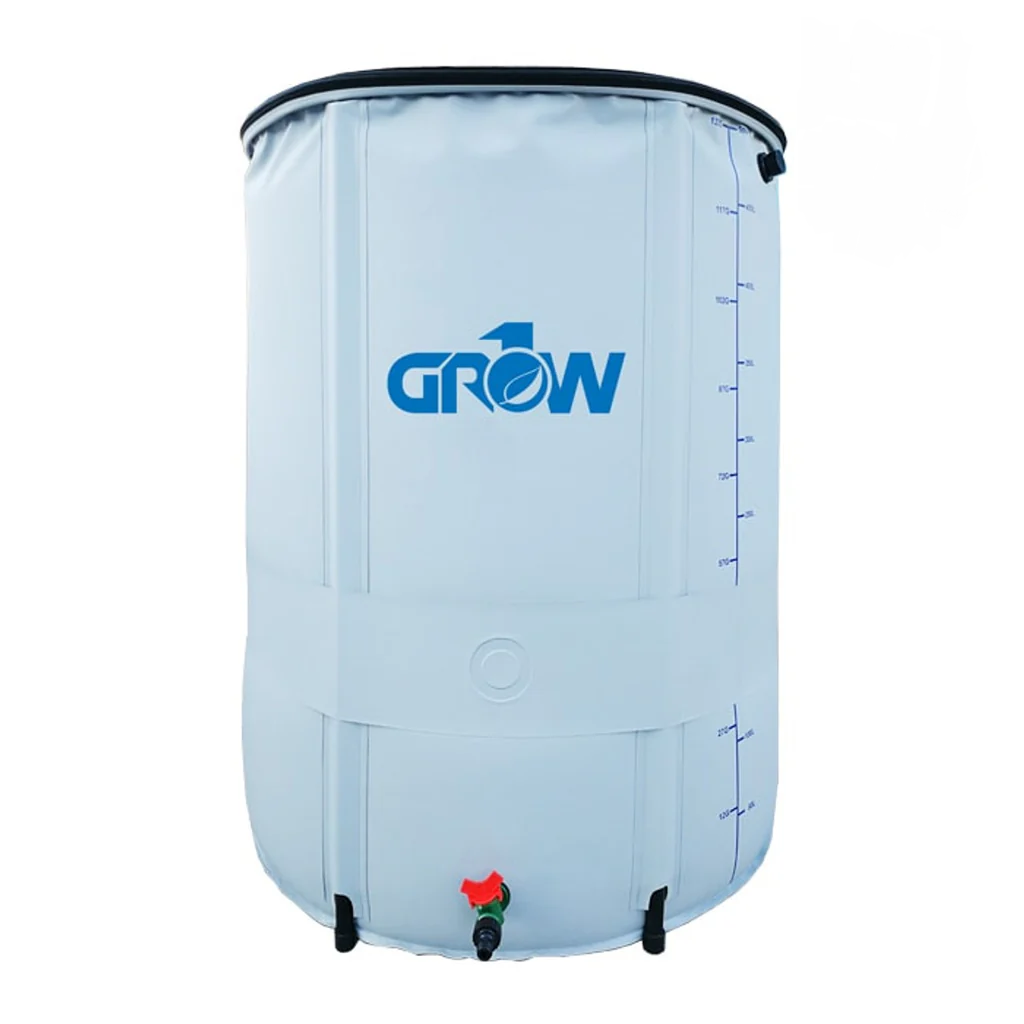
Having a reliable water storage tank on hand is essential for these moments. You’ll need plenty of fresh, pH-balanced water to top off your reservoirs and dilute the rising concentrations.
The Golden Rule for Summer Feeding
When temperatures consistently exceed 80-85°F (27-29°C) in the grow room, you should consider lowering your nutrient strength by 20% to 30%.
If you usually run an EC of 2.0, try dropping it to 1.4 or 1.6. This allows the plant to drink the massive amounts of water it needs to stay cool without accidentally "overdosing" on minerals. You aren't starving the plant; you are simply acknowledging that it is priorities have shifted from rapid growth to survival and cooling.
Choosing the Best Nutrients for Hydroponics in High Heat
Not all nutrients are created equal when it comes to heat tolerance. When looking for the best nutrients for hydroponics during the summer months, you want formulas that are highly bioavailable and leave behind minimal residual salts.

Mineral-based concentrates that are ultra-refined, like the ones we carry at Perfect Gardens, are often easier for the plant to process under stress. Heavy, organic-based nutrients can sometimes struggle in high-heat hydroponic reservoirs because the heat encourages the growth of "bad" bacteria, which can compete with the plant for oxygen and lead to root rot.
The Danger of Warm Reservoirs
It’s not just about the concentration; it’s about the temperature of the solution itself. In many hydroponic systems, the reservoir sits in or near the grow room. If the air is hot, the water gets hot.
Warmer water holds significantly less dissolved oxygen (DO) than cool water. When oxygen levels drop and nutrient concentrations rise, you create the perfect environment for Pythium (root rot).
- Insulate your Reservoirs: Use black-white panda film to reflect light and heat away from your buckets or tanks.
- Air Stones are Critical: Increase your aeration. Since warm water holds less oxygen, you need to pump more air into it to keep the roots breathing.
- The Frozen Bottle Trick: For hobbyists, floating a frozen water bottle in the reservoir can help drop temps by a few degrees during the hottest part of the day.
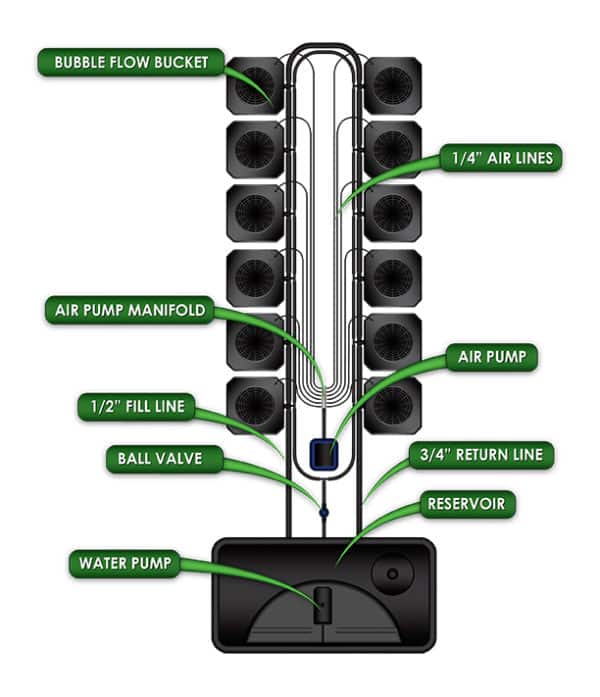
As shown in the diagram above, a properly aerated system is your best defense against the side effects of heat. Keeping those air lines clear and the air pump running at full blast is non-negotiable in July.
Beneficial Additives for Heat Resistance
While you should be lowering your base N-P-K nutrients, there are a few "extras" that can actually help your plants handle the heat better.
Silica: The Heat Shield
Silica is not technically an essential nutrient, but in the summer, it's a lifesaver. It strengthens cell walls, making them more rigid and better able to withstand the pressure of high transpiration. It’s like giving your plant a suit of armor against the heat.
Microbes and Inoculants
When the root zone is stressed by heat, beneficial microbes can act as a buffer. Products like BAM! (Beneficial Adaptive Microbes) help maintain a healthy root environment even when conditions aren't perfect.
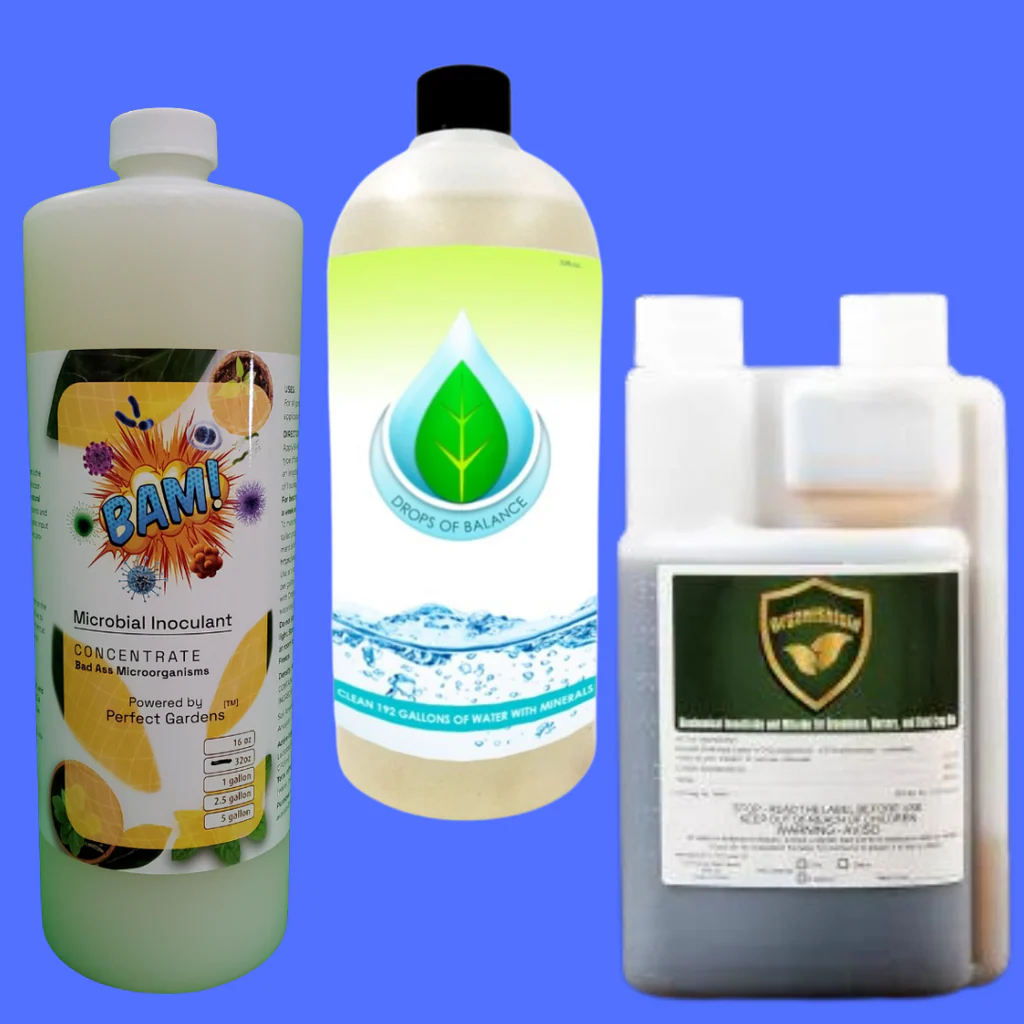
Using a microbial inoculant ensures that even if your nutrient concentrations fluctuate, the roots have a biological "army" protecting them from pathogens that thrive in warm, low-oxygen water.
Step-by-Step July Maintenance Routine
To keep your garden thriving when the thermometer spikes, follow this daily routine:
- Step 1: Check Reservoir Levels. If the water is down more than 10-15%, top it off with plain, pH-adjusted water before adding any nutrients.
- Step 2: Test the EC/PPM. If the EC has risen despite the water level dropping, your solution is too strong. Dilute it until you hit your "summer target" (20% lower than your spring/fall target).
- Step 3: Monitor Root Health. If the roots look brown or feel slimy, you have a heat-induced pathogen issue. Flush the system and treat with a microbial cleaner immediately.
- Step 4: Foliar Feed (Carefully). Sometimes, when roots are stressed by heat, a light foliar feed with kelp or a weak mineral solution can give the plant the energy it needs without taxing the root system. Do this only when lights are about to go off to avoid leaf burn.
Common Misconceptions About Heat and Feeding
A common pitfall is thinking that because a plant looks "wilted" in the heat, it needs more food to "gain strength." This is almost never the case. Wilting in high heat is usually a sign of "transpiration outstripping water uptake": meaning the plant can't pull water fast enough to keep up with the evaporation from the leaves. Adding more nutrients at this stage is like giving a marathon runner a dry salt cracker instead of a cup of water. It makes the problem worse.

Another misconception is that you can just "set it and forget it" if you have a large reservoir. Large reservoirs do hold temperature better (thermal mass), but they can still become nutrient-dense very quickly if the plants are drinking heavily. Daily monitoring is the only way to be sure.
Caution: The Flush
If you realize your EC has spiraled out of control and your plants are showing signs of severe "clawing" or burnt edges, do not just top off the tank. It’s often better to perform a complete "mini-flush."
Drain half of your reservoir and refill it with fresh water. This "resets" the nutrient balance and prevents the accumulation of specific ions that the plant might be rejecting. We have several grow help videos that walk you through the process of resetting a reservoir without shocking the plants.
Summary: Keeping it Cool
Managing nutrient concentrations during a heat wave boils down to being observant and reactive. Your plants are living organisms that change their behavior based on their environment. When it’s hot, they want to drink, not eat.
By lowering your EC, keeping your water oxygenated, and using beneficial microbes like BAM!, you can navigate the July heat without a dip in quality or yield. Remember, the best nutrients for hydroponics are the ones that are managed correctly by the grower.
If you're feeling overwhelmed or your plants aren't looking quite right, don't hesitate to reach out to our Army of Growers. We’ve seen it all, and we’re here to help you get your garden through the summer intact. Stay cool and keep growing!



Leave a comment
This site is protected by hCaptcha and the hCaptcha Privacy Policy and Terms of Service apply.