

As we move into September and the temperatures start to dip, many growers are preparing to transition back indoors. One of the most common questions we get here at Perfect Gardens is whether a grower should invest in a high-quality grow tent or commit to building out a dedicated grow room.
The fact of the matter is, there isn't a "right" answer for everyone. Your choice depends heavily on your budget, the structural integrity of your home, and how much work you want to put into maintenance. Whether you’re a beginner looking for a plug-and-play solution or a seasoned veteran planning a commercial-scale setup, understanding the trade-offs in insulation, airflow, and cost is essential for a successful winter harvest.
The Case for Grow Tents: Simplicity and Control
For the majority of home growers, a grow tent is the logical starting point. Tents are designed to be self-contained ecosystems. They provide a reflective interior, dedicated ports for ventilation, and a sturdy frame to hang heavy LED lights.
1. Cost-Effective Entry
You can usually get a complete tent setup running for under $1,000. This is a massive advantage if you are just starting out. Instead of spending money on drywall, moisture-resistant paint, and framing, you can put that capital toward better genetics or premium plant nutrients.
2. Ease of Assembly
Most modern tents, like the AC Infinity models, feature "click-on" poles and heavy-duty zippers. You don’t need a contractor's license to set one up in an afternoon. This makes them ideal for renters or people who might need to move their garden in six months.
3. Pest and Odor Containment
Because a tent is a sealed environment, it’s much easier to manage pests. It’s a lot harder for a spider mite to find its way through a zipped 2000D canvas exterior than it is for one to crawl under a bedroom door. Furthermore, the small volume of air inside a tent makes carbon filters incredibly efficient at scrubbing odors.

The Downside of Tents:
The biggest limitation is vertical space. Most tents top out at 6 to 8 feet. Once you factor in the height of your pots and the distance required between your lights and the canopy, you may find your plants hitting the "ceiling" sooner than expected. This requires you to be diligent with training techniques like SCROG or topping.
The Case for Dedicated Grow Rooms: Scale and Customization
If you are looking to scale up or if you have a spare room that you don't mind modifying, a dedicated grow room offers unparalleled freedom. This is where you move from "hobbyist" to "master grower" territory.
1. Maximum Capacity and Access
In a dedicated room, you aren't restricted by the "walls" of a tent. You can walk around your plants, making pruning and IPM (Integrated Pest Management) much easier on your back. This increased accessibility often leads to better plant health because you aren't dreading the work required to reach the plants in the back corner.
2. Superior Climate Stability
Larger volumes of air are generally slower to react to temperature spikes or drops. This thermal mass can be a double-edged sword, but with proper insulation and a mini-split AC system, a dedicated room provides the most stable environment possible for high-end flower production.
3. Customization of Infrastructure
In a room, you can mount your fans to the ceiling joists, run dedicated 240V circuits for your lights, and install floor drains. This level of infrastructure is what allows for automation, such as large collapsible water storage tanks and automated drip irrigation.
The Downside of Dedicated Rooms:
The initial investment is high. You aren't just buying a "kit"; you are performing a home renovation. You also have to be very careful about mold. If you don't properly seal your walls with moisture-resistant barriers, you risk structural damage to your home.
Structural Considerations: Insulation and Light Leaks
Whether you choose a tent or a room, the "envelope" of your grow space is your first line of defense against the outside world. This becomes critical in September as the outdoor VPD (Vapor Pressure Deficit) begins to fluctuate wildly.
Using Panda Film for Custom Rooms
If you are converting a room, you cannot simply rely on white paint. You need a professional-grade barrier. Black and White Panda Film is the industry standard for a reason. The white side reflects 90%+ of the light back onto your canopy, while the black side ensures 100% light-tightness.
The fact of the matter is that light leaks during the "dark" cycle are the number one cause of hermaphroditic plants and seeded harvests. Using Panda Film to create a "room within a room" is a smart way to get the benefits of a tent with the scale of a dedicated room.

Insulation Needs
If your grow space is in a garage or an attic, insulation is your biggest hurdle.
- For Tents: Consider placing your tent on a raised platform (like a pallet or foam board) to keep the cold floor from chilling your root zone. You may also need to wrap the exterior of the tent in reflective bubble insulation during the coldest months.
- For Rooms: You should look into closed-cell spray foam or rigid foam boards. Standard fiberglass batts can trap moisture and lead to mold growth in high-humidity environments.
Technical Setup Tips for September Transitions
As you decide on your space, keep these three technical factors in mind to avoid common pitfalls:
1. Electrical Load and Safety
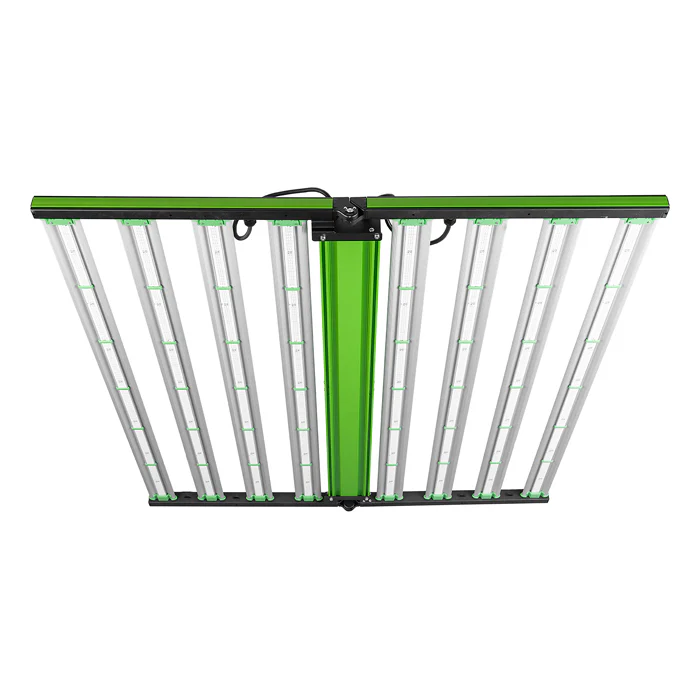
Before you hang those KIND LED grow lights, calculate your amp draw. A standard household circuit is 15 or 20 amps. If you are running 2,000 watts of lights, plus fans, dehumidifiers, and pumps, you are going to trip a breaker. It seems more like a minor inconvenience until it happens at 3 AM and your plants sit in the dark and cold for six hours.
2. Ventilation and Scrubbing
In a tent, air exchange is simple: one intake, one exhaust. In a dedicated room, you need to think about "dead air" spots. Use multiple oscillating fans to ensure that CO2 is reaching every leaf and that moisture isn't settling on your buds, which leads to Botrytis (bud rot).
3. Water Management
If you’re growing in a tent, a simple plastic tray will catch your runoff. In a room, the volume of water used is much higher. We recommend using fabric raised beds or a centralized drainage system to keep the floor dry. Excess standing water is an open invitation for fungus gnats and mold.

Which Choice is Right for You?
To make the final call, ask yourself these three questions:
- How much am I willing to spend today? If your budget is under $2,000, stick with a Grow Tent. You can always use the tent for a mother plant or a cloning room later if you decide to build a full room.
- Is this a permanent setup? If you own your home and have a basement with a floor drain, a dedicated room is a massive asset that can produce larger yields.
- How much time do I have for maintenance? Tents are easier to clean between cycles. You can literally pull them outside and hose them down. A dedicated room requires scrubbing every wall, ceiling, and floor surface to prevent pathogen carryover.
Regardless of which path you take, the goal is the same: creating a stable, optimized environment where your plants can thrive. If you're feeling overwhelmed by the technical specs, don't hesitate to reach out to us at Perfect Gardens. Our Army of Growers is always here to help you dial in your setup for the upcoming season.
Building your dream grow space is a journey. Take it one step at a time, prioritize your environment, and the yields will follow. For more deep dives into indoor gardening, check out our Grow Help Videos.


Leave a comment
This site is protected by hCaptcha and the hCaptcha Privacy Policy and Terms of Service apply.