

For decades, the indoor gardening world was dominated by the orange glow of High-Pressure Sodium (HPS) lamps. If you wanted heavy yields, you dealt with the heat, the massive electricity bills, and the constant bulb changes. But the landscape has shifted. We are no longer in the experimental phase of LED technology; we are in the era of LED dominance.
The fact of the matter is that modern LED systems have surpassed traditional lighting in almost every measurable category: efficiency, spectrum control, heat management, and most importantly, the quality of the final harvest. At Perfect Gardens, we’ve seen the transition firsthand. Whether you are a hobbyist in a small grow tent or a commercial operator, understanding why and how to leverage LED technology is the key to future-proofing your garden.
Why the Industry is Moving Away from HPS
It seems more like a tradition than a choice for some old-school growers to stick with HPS. They argue that "nothing beats the penetration of an HPS." This is simply not the case anymore. While HPS lights were effective, they were incredibly inefficient.
- Energy Waste: HPS lamps convert a significant portion of their energy into heat rather than light. Research shows that switching to LED can result in a 24-to-30-percent reduction in electricity consumption.
- Spectrum Limitations: HPS is heavy on the red/orange end of the spectrum but lacks the blue and UV wavelengths essential for compact growth and terpene development.
- Degradation: An HPS bulb starts losing its effectiveness the moment you turn it on. Most growers have to replace them every 6–9 months to maintain yields.
- Heat Hazards: HPS runs hot: really hot. This creates a massive load on your HVAC system and increases the risk of fire or heat stress on your plants.
By moving to LED lights, you’re not just saving on your power bill; you’re gaining control over the environment that HPS simply couldn't offer.
The Modern LED Advantage: KIND LED and MEDIC GROW
When we look at the current market, brands like KIND LED and MEDIC GROW are leading the charge by solving the "old" problems of LED lighting: light distribution and intensity.
KIND LED: Precision Engineering
KIND LED has been a staple in the industry for a long time, but their latest iterations have changed the game. Their fixtures now offer 2X increased PPF (Photosynthetic Photon Flux) and 50% higher efficiency compared to their previous models.
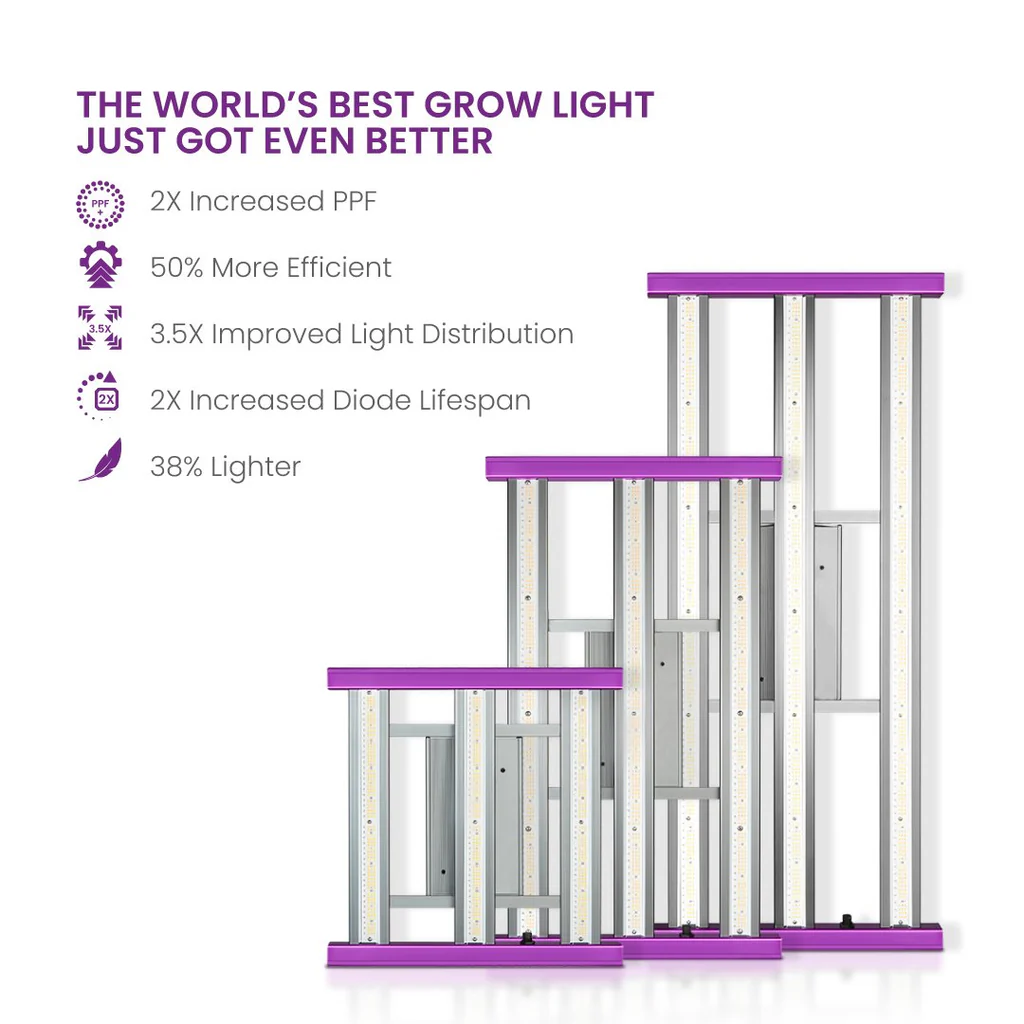
One of the standout features of KIND LED grow lights is their light distribution. Older LEDs often had "hot spots" directly under the diodes and very little light at the edges. KIND has improved light distribution by 3.5X, ensuring that the plants in the corners of your tent get nearly the same intensity as the ones in the center. They are also significantly lighter, which makes setting them up in a Gorilla Grow Tent much easier on the frame.
Medic Grow: The Wireless Future
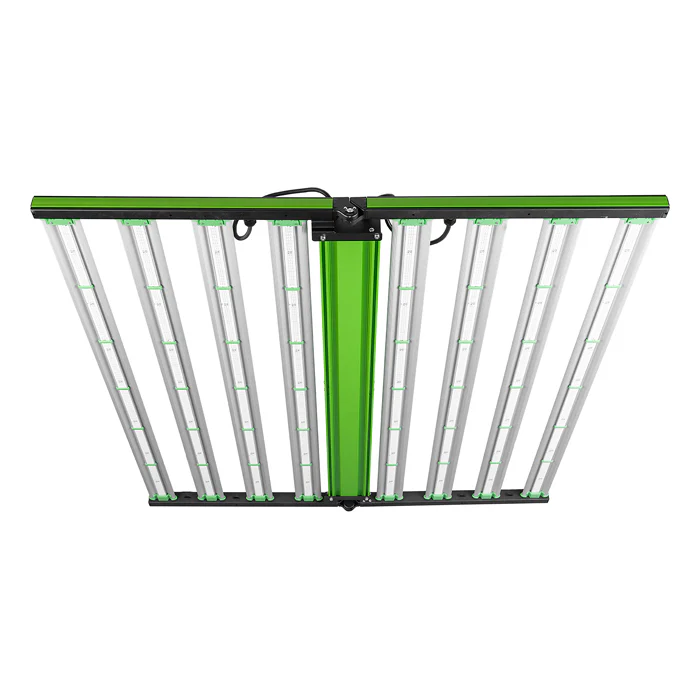
Medic Grow has taken a different approach, focusing on commercial-grade power and smart integration. Their Spectrum-Y series is a prime example of where the industry is headed.

The Spectrum-Y features an 880W power capacity and, crucially, wireless operation. This allows growers to tune the spectrum: including UV and IR output: remotely. Having the ability to dial back the intensity or shift the spectrum without stepping into the grow room is a massive advantage for maintaining biosecurity and reducing plant stress.
Heat Management: The Hidden Saving
One of the most significant advantages of LED technology is the reduction in ambient heat. In an HPS setup, the heat is radiant, meaning it beams directly onto the plant canopy. This often leads to foxtailing, nutrient burn, and evaporated terpenes.
Modern LEDs use aircraft-grade aluminum heat sinks and remote driver mounting to keep the heat away from the plants. By mounting the driver (the part that generates the most heat) outside of the grow tent, you can reduce grow room temperatures by up to 25%.
Caution: While LEDs run cooler, they still produce heat. If you are running a high-wattage LED in a confined space, you still need proper extraction kits and airflow. Do not make the mistake of thinking an LED-cooled room requires zero ventilation.

Full Spectrum Benefits: More Than Just "Blurple"
The "Blurple" (pinkish-purple) lights of the early 2010s are a thing of the past. Today, the focus is on "Full Spectrum" or "Broad Spectrum" lighting that mimics natural sunlight.
- UV Wavelengths: Targeted UV light triggers a defense mechanism in plants that leads to increased resin production and higher secondary metabolites (like flavonoids and essential oils).
- Deep Blue: Essential for the vegetative stage, keeping plants short and "stacking" nodes closely together.
- Far Red: Vital for the flowering stage, encouraging faster transitions from veg to bloom and increasing flower density.
By providing a balanced spectrum, LEDs support the plant's morphology throughout its entire life cycle. This leads to healthier plants that are more efficient at utilizing nutrients and water.
Transitioning from HPS to LED: A Practical Guide
If you are making the switch, there is a learning curve. Many growers fry their first crop under LEDs because they underestimate the intensity. Here is how to do it right:
- Adjust Your Height: LEDs are much more intense than they look. While HPS feels hot to your hand, LEDs deliver more "invisible" energy (PAR). Start with your lights higher than you think: usually 24-30 inches above the canopy for new plants.
- Use the Dimmer: Most high-end LEDs, like those used in hydroponics setups, come with dimmers. Start at 40-50% power during the vegetative stage and slowly crank it up as the plants acclimated.
- Watch Your Calcium and Magnesium: Plants under high-intensity LEDs tend to transpire differently and often require more Cal-Mag. Keep your nutrients packages handy and monitor for signs of light-induced deficiencies.
- Environmental Tuning: Because LEDs don't heat the leaf surface as much as HPS, you may actually need to increase your room temperature slightly (around 78-82°F) to maintain optimal metabolic rates.
The Future: AI and Smart Systems
Looking toward 2027 and beyond, the integration of AI and IoT (Internet of Things) is the next frontier. We are already seeing controllers that can adjust light intensity based on real-time sensor data. Imagine a system that detects a slight rise in leaf temperature and automatically dims the lights or shifts the spectrum to prevent stress.
This level of precision was unthinkable with HPS. With LED, it's becoming the standard. We are moving toward "crop-specific light recipes," where you can download a profile specifically tuned for the specific strain or cultivar you are growing.
Conclusion: Is it Worth the Investment?
The upfront cost of a premium LED fixture is higher than an HPS setup. However, when you factor in the 50,000+ hour lifespan (roughly 10 years of use), the lower cooling costs, and the increased quality of the harvest, the ROI is undeniable.
If you're looking to upgrade your setup or starting from scratch, focusing on high-quality grow essentials and a top-tier LED light is the best way to ensure long-term success. The industry has moved on, and it’s time for your garden to do the same. If you need help picking the right light for your specific footprint, check out our grow help section for personalized advice.


Leave a comment
This site is protected by hCaptcha and the hCaptcha Privacy Policy and Terms of Service apply.