
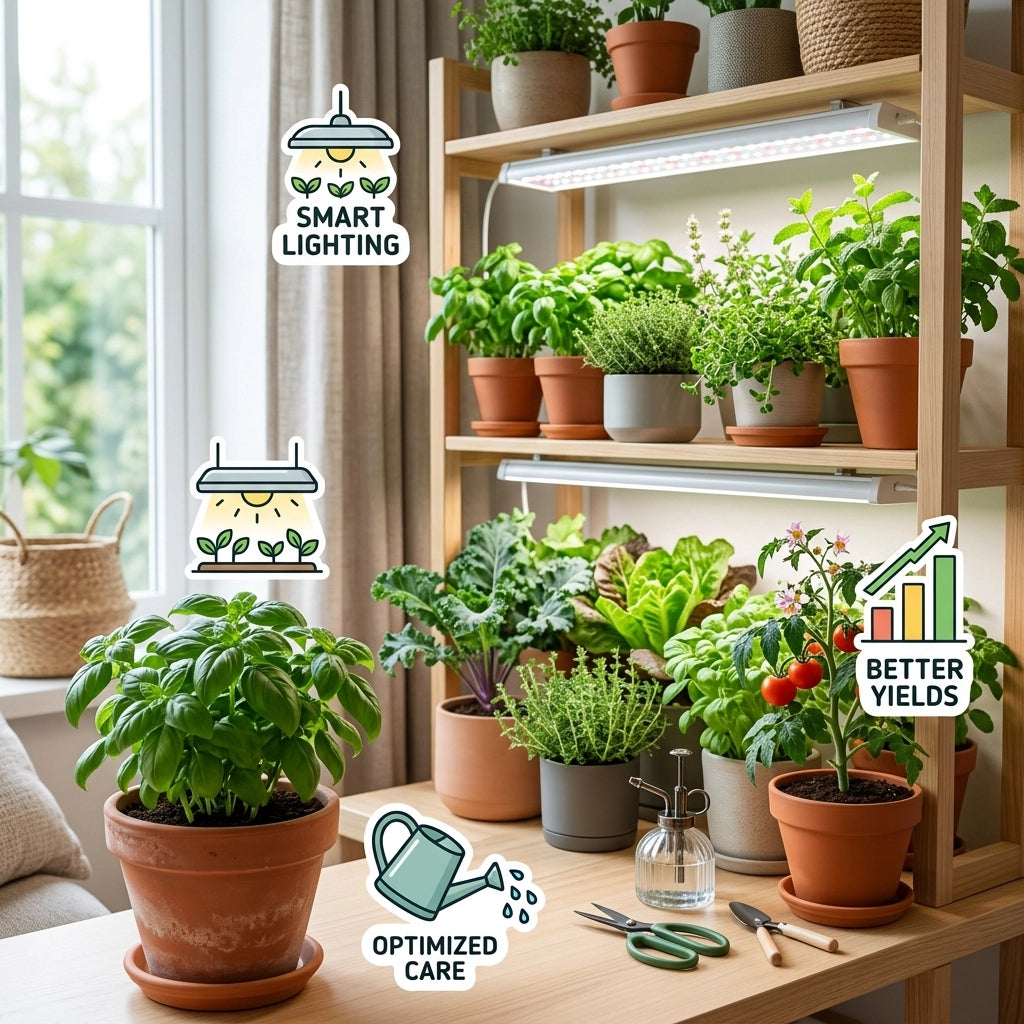
Most growers start their journey with a basic "plug-and-play" kit. It’s the smart way to learn the ropes without breaking the bank. But eventually, you hit a plateau. You’re getting harvests, but they aren't the massive, frosty yields you see online. Your plants might look healthy, but they aren't reaching their genetic potential because your environment is "good enough" rather than "optimized."
Upgrading to an Indoor Gardening Setup 2.0 isn't just about buying more expensive gear; it’s about precision. For the intermediate grower, the goal shifts from simply keeping plants alive to mastering the variables of light, water, and air.
The Foundation: Upgrading Your Grow Enclosure
Your grow tent is the hull of your ship. If it’s flimsy, leaks light, or has poor ventilation ports, the rest of your high-end gear won't matter. Beginner tents often use thinner canvas (like 600D), which can tear easily and allow light to seep in during the dark cycle: a recipe for stressed plants and hermaphroditism.
When moving to a professional-grade setup, look for high-density canvas and reinforced frames. Gorilla Grow Tents are a gold standard here because they offer height extension kits. More vertical space means you can keep your lights further from the canopy, reducing heat stress and allowing for larger plants.

A high-quality tent like the AC Infinity models features 2000D canvas and a diamond mylar interior. This isn't just for show; the diamond pattern diffuses light more effectively, eliminating "hot spots" that can burn leaves while ensuring that lower branches get enough lumens to produce dense buds rather than "larf."
Advanced Lighting: Efficiency and Spectrum Control
If you’re still using older HID (High-Intensity Discharge) lamps or "blurple" LEDs, this is the single most impactful upgrade you can make. Modern LED technology has leaped forward in terms of Photosynthetic Photon Flux (PPF) and efficiency.
Intermediate growers should look for fixtures with a full-spectrum output that mimics the sun. This ensures your plants get the blue light they need for tight nodal spacing during veg and the deep reds required for massive flower production.
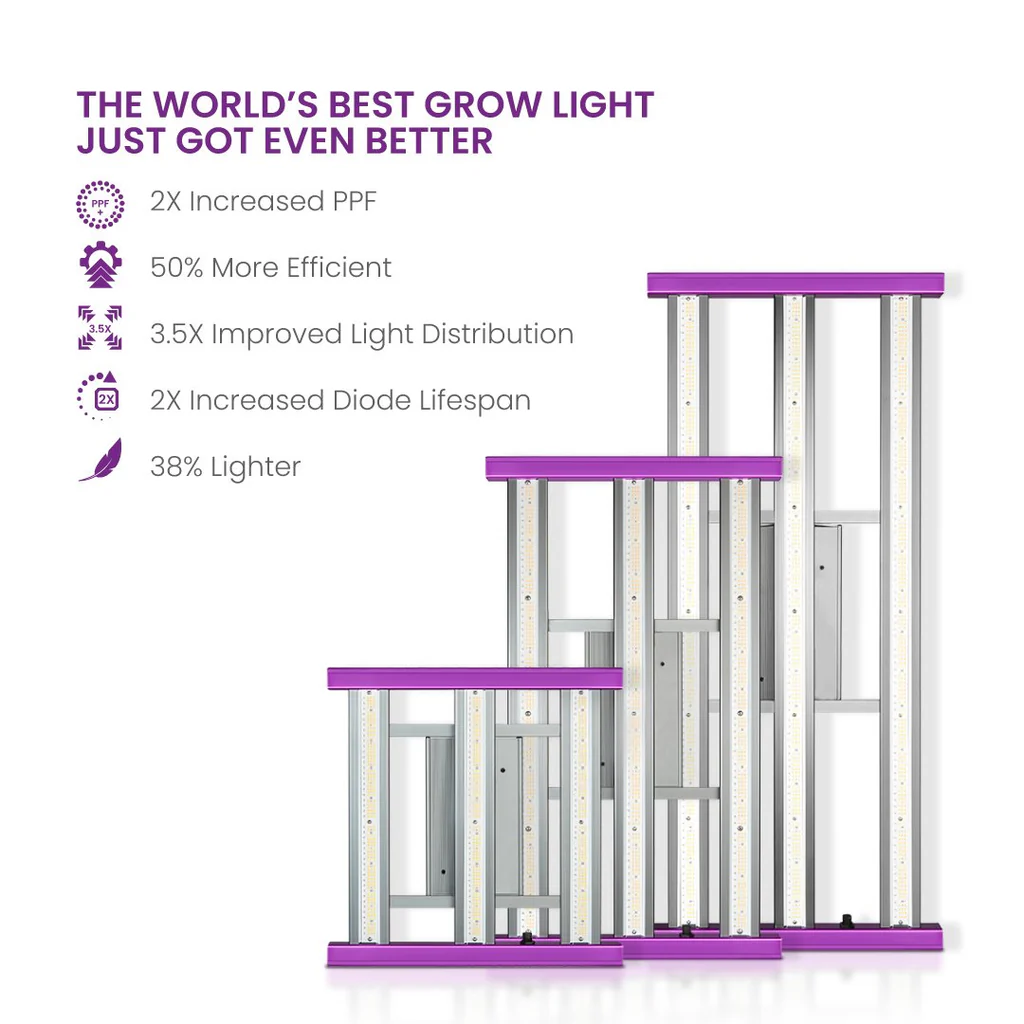
Upgrading to something like KIND LED grow lights provides a significant advantage. These fixtures are designed to maximize light distribution. Instead of a single powerful point of light that creates a bright center and dark corners, these bars spread the light evenly across the entire footprint. This results in a more uniform canopy where the plants at the edges of the tent perform just as well as the ones in the middle.
Pro Tip: Don't just look at wattage. Look at the "efficacy" (measured in µmol/j). A more efficient light produces more usable energy for the plant while generating less heat, which in turn makes your climate control much easier to manage.
Precision Irrigation: Moving Beyond the Watering Can
Hand-watering is a great way to bond with your plants, but it’s the primary source of inconsistency in most indoor gardens. Plants thrive on stability. When you hand-water, the medium goes through a "flood and drought" cycle. The roots are either drowning in water (cutting off oxygen) or searching for moisture as the pot dries out.
To hit that next level of growth, you need to maintain a consistent moisture level in the root zone.
The Blumat System
One of the most effective upgrades for intermediate growers is the Tropf Blumat system. Unlike electronic timers that water on a schedule regardless of whether the plant needs it, Blumat uses ceramic sensors to detect the actual moisture level in the soil.

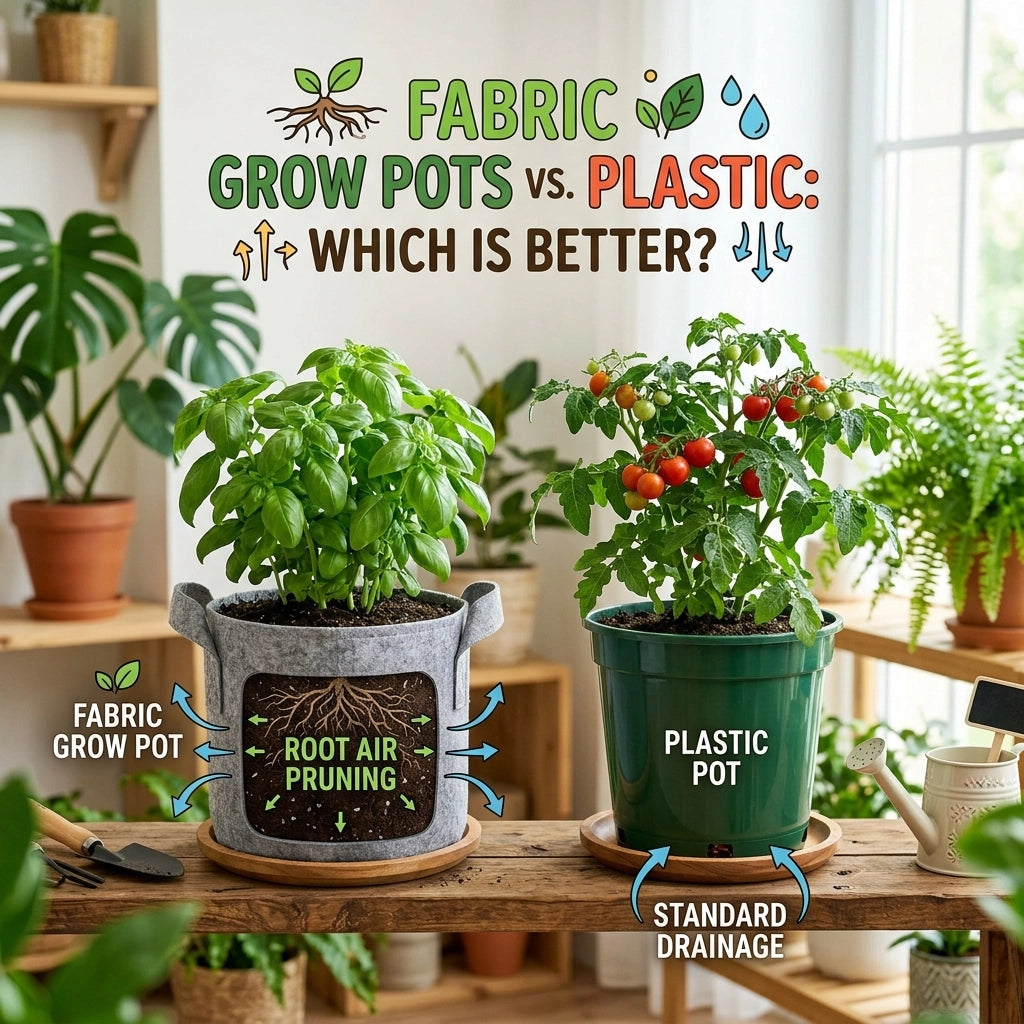
As the soil dries out, the ceramic stake releases a valve, allowing water to drip in. Once the soil is moist again, the pressure changes and the valve closes. This creates a "demand-based" system where the plant is never over-watered or under-watered. When combined with fabric grow pots or raised beds, you create an ideal environment for explosive root growth.
Automated Hydroponics
If you are moving away from soil entirely, upgrading to a complete hydroponic system like a Bubble Flow or a Recirculating Deep Water Culture (RDWC) setup can drastically increase your growth rates. Hydroponics allows for direct nutrient uptake and high oxygenation, but it requires much tighter control over pH and EC (Electrical Conductivity) levels.
Environmental Automation and Sensors
In a 1.0 setup, you probably have a basic fan and a thermometer. In a 2.0 setup, you have a brain for your room.
The most common mistake intermediate growers make is ignoring Vapor Pressure Deficit (VPD). VPD is the relationship between temperature and humidity, and it dictates how your plants "breathe" (transpire). If your humidity is too high, the plant can't pull water up through the roots. If it's too dry, the plant closes its stomata to save water, which halts growth.
Smart Controllers
Integrating controllers into your setup allows you to automate your exhaust fans based on specific triggers. Instead of the fan running at 100% all the time, a smart controller will ramp the speed up only when the temperature or humidity hits a certain threshold.
The "Caution" Section: Don't Over-Automate Without Monitoring
Automation is powerful, but it can be a double-edged sword. If a sensor fails or a pump gets clogged and you aren't checking your room, you can lose a crop in 24 hours. Always have a manual backup (like a simple analog thermometer/hygrometer) inside the tent to verify that your digital sensors are reading correctly.
Maximizing Yield in Small Spaces
Not everyone has a whole spare room for gardening. If you're working with a 2x2 or 4x4 space, you have to think vertically. This is where "Setup 2.0" becomes about geometry.
- Vertical Lighting: For tiered systems, using thin LED strips under shelves allows you to grow microgreens or clones in a fraction of the footprint.
- Training Techniques: Use a SCROG (Screen of Green) net. By weaving your plants through a trellis, you force the canopy to grow horizontally, ensuring every bud site is at the same distance from the light.
- Reflective Panda Film: If you aren't using a tent and are instead converting a closet, lining the walls with black and white panda film is a must. It reflects up to 90% of the light back to the plants while providing a waterproof barrier for your walls.

Optimizing the Rhizosphere (Root Zone)
You can have the best lights and the best tent, but if your root zone is sterile and weak, your yields will be mediocre. Upgrading your nutrient strategy is about more than just adding more "bloom booster."
As you advance, you should focus on the biological life in your growing medium. Adding beneficial bacteria and mycorrhizae helps the plant break down nutrients and protects the roots from pathogens.
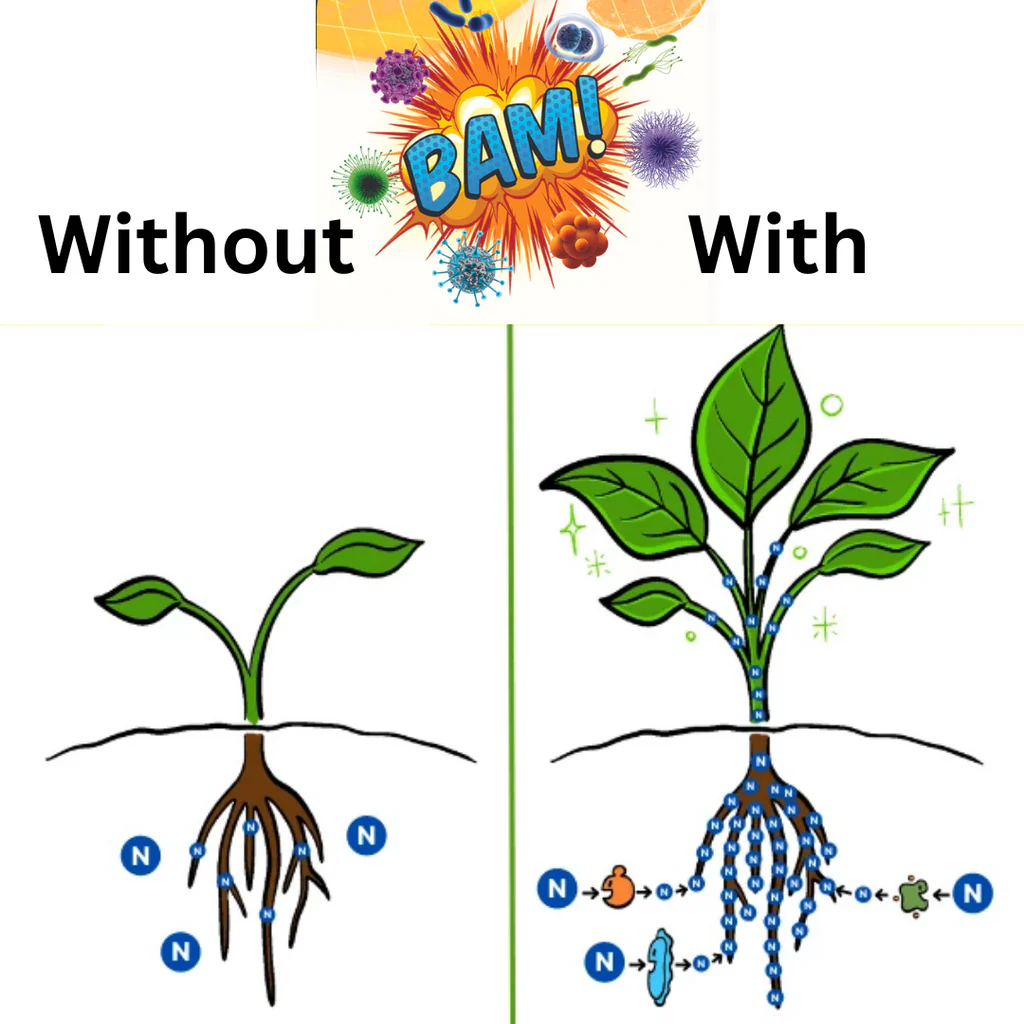
When you look at a side-by-side comparison of a plant fed with standard nutrients versus one fed with a complete microbial package, the difference is usually in the root mass. A larger, more complex root system can support a much heavier canopy.
Advanced Nutrient Tip: Consider moving to specialized lines like NPK Industries, which offer raw components. This allows you to "fine-tune" your feed. If your plants look a little pale, you can add a specific nitrogen supplement without over-feeding the other elements.
Better Ventilation and CO2
Plants "eat" CO2. In a standard setup, you rely on your exhaust fan to pull in fresh air from the room outside the tent. While this works, the ambient CO2 level is usually around 400ppm.
If you have upgraded your lights to a high-intensity LED, your plants might actually be "maxed out" on how much light they can process because they don't have enough CO2 to keep up with the metabolic rate.
While a full CO2 tank and regulator setup is an advanced move, even simple upgrades to your extraction kits can make a difference. Ensuring you have a carbon filter that is properly rated for your fan’s CFM (Cubic Feet per Minute) will allow you to run your ventilation efficiently without leaking odors, which is essential for maintaining a professional, discreet indoor garden.
Summary Checklist for Your 2.0 Upgrade
If you're ready to make the jump, don't try to change everything at once. Pick the bottleneck in your current grow and address it first.
- Step 1: The Environment. Upgrade to a heavy-duty tent and a smart controller to stabilize your VPD.
- Step 2: The Lighting. Swap out old tech for high-efficiency, full-spectrum LEDs with better light distribution.
- Step 3: The Irrigation. Automate your watering with a Blumat system or a hydroponic reservoir to eliminate human error and moisture stress.
- Step 4: The Biology. Focus on root health using microbial inoculants and high-quality nutrient packages.
Upgrading your setup is an investment that pays for itself in higher quality, better potency, and: most importantly: much larger yields. If you're feeling stuck or don't know which light fits your specific space, check out our Grow Help section for more tailored advice.


Leave a comment
This site is protected by hCaptcha and the hCaptcha Privacy Policy and Terms of Service apply.