
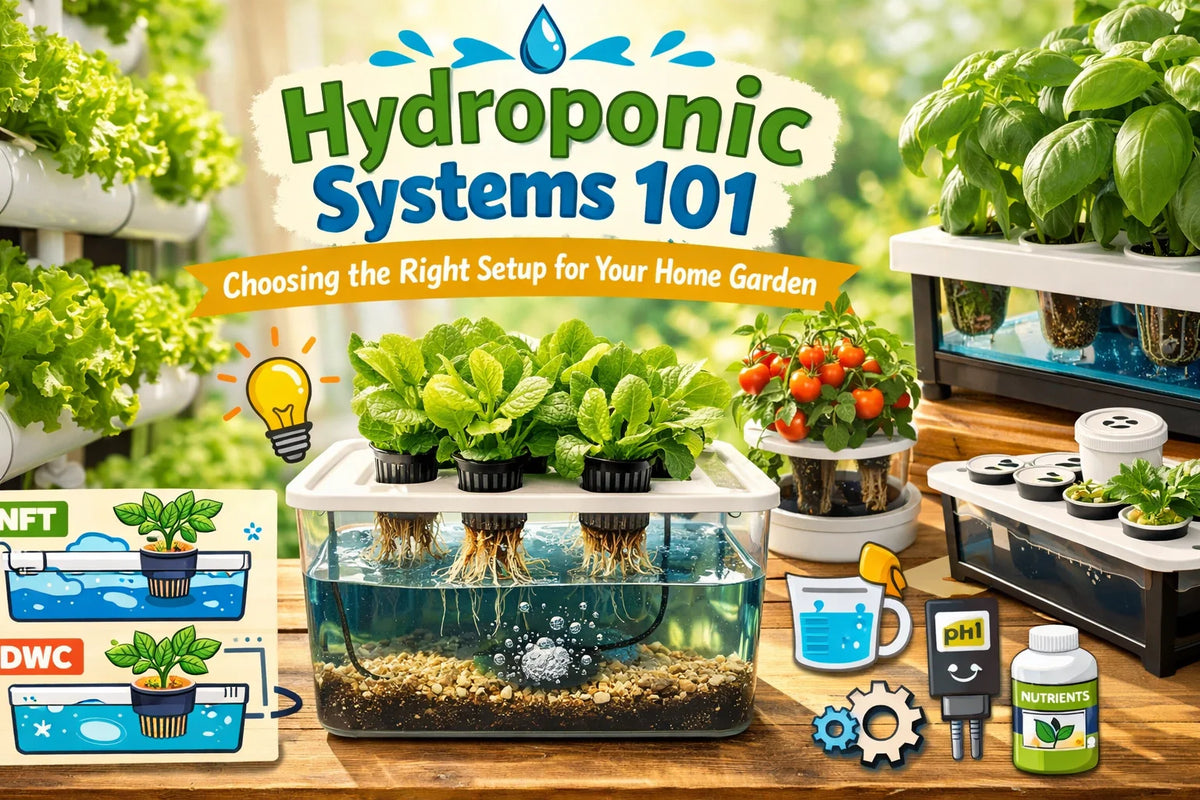
If you've been thinking about starting hydroponic systems at home but feel overwhelmed by all the options, you're not alone. Walk into any grow shop and you'll see pumps, timers, buckets, tubes, and enough technical jargon to make your head spin. The good news? You don't need a degree in horticulture to get started.
Most beginners make the mistake of overcomplicating their first setup. They buy expensive equipment they don't understand, or worse, they choose a system that's completely wrong for what they're trying to grow. This article breaks down three beginner-friendly hydroponic systems: Deep Water Culture (DWC), Ebb and Flow, and Wick systems: so you can make an informed choice without wasting money on features you'll never use.
What Makes Hydroponic Systems Different?
Before diving into specific setups, let's clarify what we're actually talking about. Hydroponic systems grow plants without soil, using nutrient-rich water instead. Your plants get direct access to everything they need: no digging through dirt required.
The main advantage? Control. You control the nutrients, pH levels, water delivery, and growing environment. This typically means faster growth and higher yields compared to traditional soil gardening. The tradeoff is that you need to monitor your system more carefully. If something goes wrong with your nutrient solution or pH balance, your plants will tell you quickly.
Not all hydroponic systems require the same level of attention or technical knowledge. That's why choosing the right one for your experience level matters so much.

Deep Water Culture (DWC): The Beginner's Best Friend
Deep Water Culture is probably the easiest hydroponic system to understand and maintain, which is why most beginners start here. The concept is remarkably simple: plant roots hang directly into oxygenated, nutrient-rich water.
How It Works
Your plants sit in net pots suspended over a reservoir filled with water and hydroponic nutrients. An air pump (like the ones used in fish tanks) continuously oxygenates the water through air stones. That's it. No complex timers, no spray nozzles to clog, no moving parts except the air pump.
The roots stay submerged in the solution 24/7, constantly accessing nutrients and oxygen. This direct access is why plants in DWC systems often grow faster than other methods: they never have to "wait" for their next feeding.
What Works Best in DWC
Leafy greens like lettuce, spinach, and herbs absolutely thrive in DWC setups. These fast-growing plants love the constant nutrient access. You can also grow larger plants like tomatoes and peppers, though you'll need bigger reservoirs to support them.
The Reality Check
DWC systems are low-maintenance once running, but they're not completely hands-off. You'll need to:
- Check and adjust pH levels every few days (aim for 5.5-6.5)
- Top off water as it evaporates
- Change the reservoir completely every 2-3 weeks
- Monitor water temperature (ideally 65-70°F)
If your air pump fails, you've got maybe a few hours before root damage starts. Keep a backup pump on hand or check your system daily.

Ebb and Flow: Versatility for Growing Ambitions
Once you understand the basics of hydroponic systems, Ebb and Flow (also called Flood and Drain) offers more flexibility and can handle a wider variety of plants.
How It Works
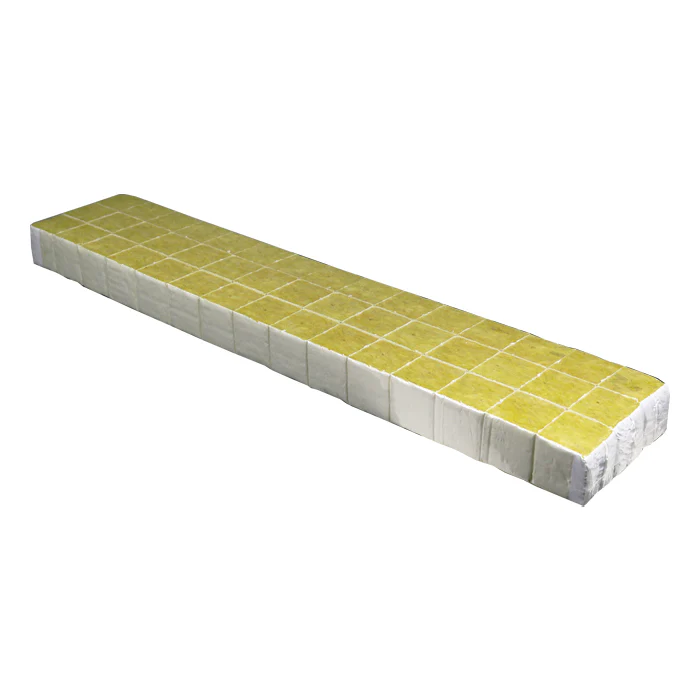
Ebb and Flow uses a timer-controlled pump to periodically flood a grow tray with nutrient solution, then drains it back into the reservoir. Your plants sit in individual pots filled with growing medium (like clay pebbles or rockwool) inside the tray.
The flooding cycles typically run 3-4 times per day, depending on your growing medium, plant size, and environmental conditions. Between floods, the roots get excellent aeration, which promotes strong, healthy root development.
Why It's Worth the Extra Complexity
This system shines when you want to grow a variety of plant sizes or types simultaneously. Tomatoes, peppers, cucumbers, and other fruiting plants do exceptionally well in Ebb and Flow setups because the periodic flooding encourages robust root systems.
You can also adjust your growing medium to match different plants: use something that holds more moisture for thirstier plants, or a more aerated medium for plants that prefer drier conditions between waterings.
The Catch
Ebb and Flow requires more components than DWC: a timer, a water pump, overflow drains, and precise tray positioning. If your timer fails or your pump clogs, your plants won't get fed. Regular maintenance is non-negotiable here.
You'll also need to clean the system more thoroughly between growing cycles since growing medium and roots can trap debris in the tray.

Wick System: The Truly Passive Option
If the idea of pumps, timers, and electrical components makes you nervous, Wick systems offer a genuinely simple entry point into hydroponic systems.
How It Works
Wick systems use absorbent wicks (like cotton rope or felt strips) to draw nutrient solution from a reservoir up to your plants' roots through capillary action: the same principle that makes a paper towel soak up spilled water.
Your plants sit in pots filled with growing medium, with wicks running from the bottom of each pot down into the reservoir below. No moving parts, no electricity required (beyond optional lighting), and no timers to program.
Where Wick Systems Fit
This setup works best for small plants with low water demands: herbs like basil, oregano, and thyme, or compact lettuce varieties. The wick can only transport nutrients so fast, so plants with high nutrient needs will eventually outpace what the system can deliver.
Think of Wick systems as training wheels for hydroponic systems. They're perfect for learning the basics of pH management, nutrient mixing, and plant observation without the pressure of maintaining pumps and timers.
The Limitations
The simplicity comes with real constraints. You can't grow large, fast-fruiting plants successfully in a Wick system. The nutrient transport is too slow, and you risk salt buildup in your growing medium since there's no flushing action like in other systems.
Some growers also find that wick systems waste more nutrients over time since the wicks continue drawing solution even when plants don't need it, leading to more frequent reservoir changes.
Making Your Choice: Which System Fits Your Situation?
Choosing between these hydroponic systems comes down to three main factors: your experience level, available space, and what you want to grow.
Start with DWC if:
- You're completely new to hydroponics
- You want to grow leafy greens and herbs
- You have limited space
- You want low maintenance with minimal moving parts
- Budget is a concern (DWC is inexpensive to set up)
Choose Ebb and Flow if:
- You've successfully run a DWC system or have gardening experience
- You want to grow larger fruiting plants like tomatoes or peppers
- You're growing multiple plant types simultaneously
- You don't mind regular maintenance and monitoring
- You have space for a dedicated grow tray and reservoir system
Consider Wick systems if:
- You want to test hydroponics with minimal investment
- You're only growing small herbs or lettuce
- You're teaching kids about hydroponic systems
- Electrical reliability is a concern in your location
- You want an ultra-low-maintenance hobby setup
Essential Components Regardless of System Type
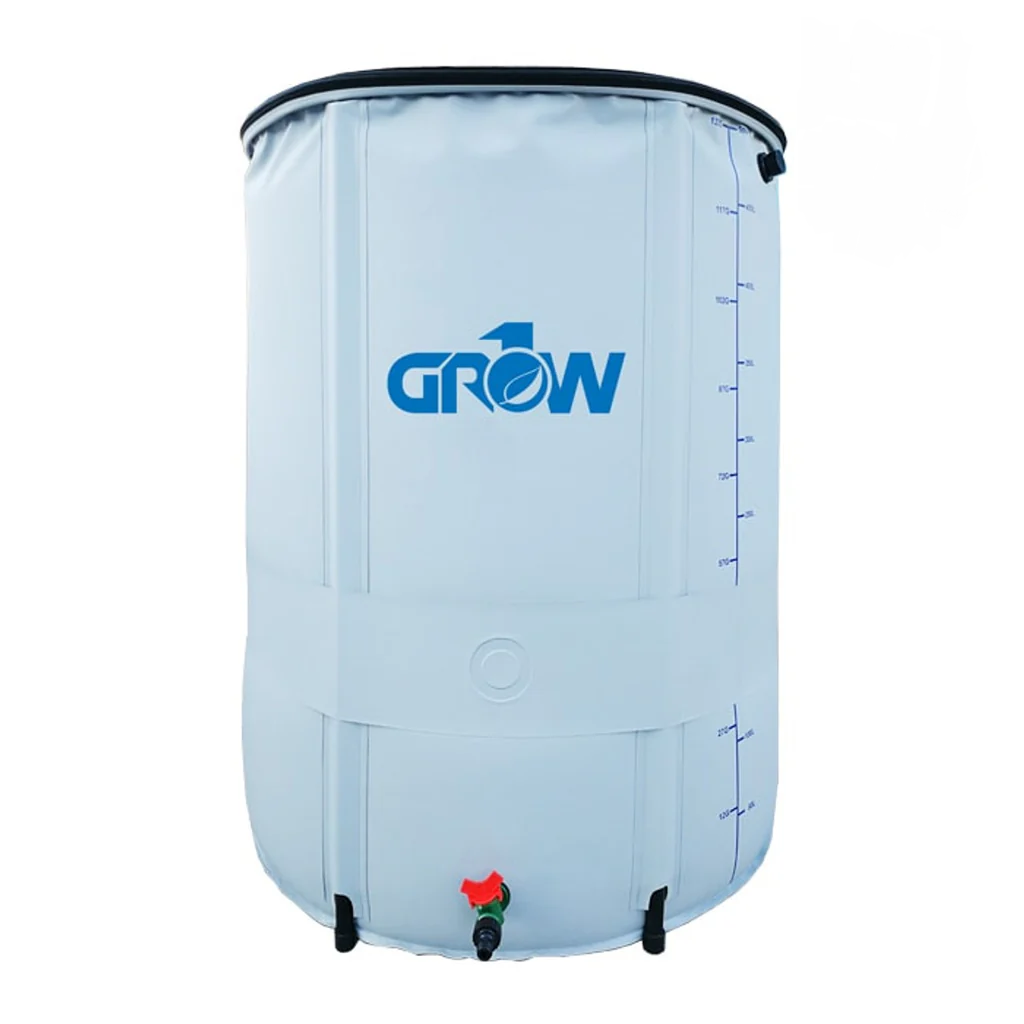
Whichever system you choose, you'll need certain basics. Your reservoir needs to hold enough water to support your plants between changes: generally 5-10 gallons for small setups. You'll need hydroponic nutrients specifically formulated for soilless growing (regular fertilizer won't work). A pH testing kit is non-negotiable; pH problems are the #1 killer of hydroponic gardens.
Most beginners underestimate the importance of water quality. If your tap water has high mineral content or chlorine/chloramine levels, you may need a basic filtration system or reverse osmosis unit. Check your local water report before investing in expensive filtration: you might not need it.
Getting Started with Perfect Gardens
Here's the thing most online guides won't tell you: buying individual components from different sources often leads to compatibility issues and wasted money. One pump doesn't fit another brand's tubing. Air stones don't match the air line diameter. You end up making multiple trips to the grow shop.
Perfect Gardens offers complete hydroponic system setups that include everything you need to start growing. More importantly, we provide personalized consultation to help match you with the right system for your specific situation: not just whatever we have in stock.
Whether you're setting up a small DWC bucket for kitchen herbs or a full Ebb and Flow system for serious vegetable production, our team can walk you through setup, maintenance, and troubleshooting. We've seen every mistake beginners make (because we made them too), and we'd rather help you avoid them than profit from fixing preventable problems.
Start Simple, Grow From There
The best hydroponic system is the one you'll actually use consistently. Don't get caught up in complicated setups that require constant attention unless you genuinely enjoy that level of involvement.
Most successful hydroponic gardeners started with a simple DWC bucket growing basil or lettuce. Once you understand how plants respond to nutrient changes, pH adjustments, and environmental factors, you can scale up to more complex systems with confidence.
The learning curve isn't as steep as the equipment makes it seem. Give yourself permission to start small, make mistakes on inexpensive plants, and gradually expand as your knowledge grows. Your first harvest will tell you everything you need to know about whether hydroponic systems are right for you.

Leave a comment
This site is protected by hCaptcha and the hCaptcha Privacy Policy and Terms of Service apply.