

If you think your plant's roots are doing all the heavy lifting when it comes to nutrient uptake, you're only seeing half the picture. Below the soil surface, there's an entire network of fungal threads working alongside those roots, sometimes more effectively than the roots themselves. This underground partnership is called mycorrhizae, and it's been helping plants thrive for over 450 million years.
The term "mycorrhizae" literally translates to "fungus-root," and that's exactly what it is: a symbiotic relationship between specialized soil fungi and plant roots. These fungi aren't parasites. They're not taking without giving back. Instead, they form one of nature's most elegant exchange systems, often called the "wood wide web" because of how extensively these fungal networks connect plants underground.
What Mycorrhizae Actually Do
Here's the simple version: mycorrhizal fungi colonize your plant's roots and extend thin threads called hyphae far into the surrounding soil. These hyphae are incredibly fine, much thinner than the roots themselves, and can reach areas of the soil that roots simply cannot access. In fact, these fungal threads can be up to 100 times longer than the plant's actual root system.
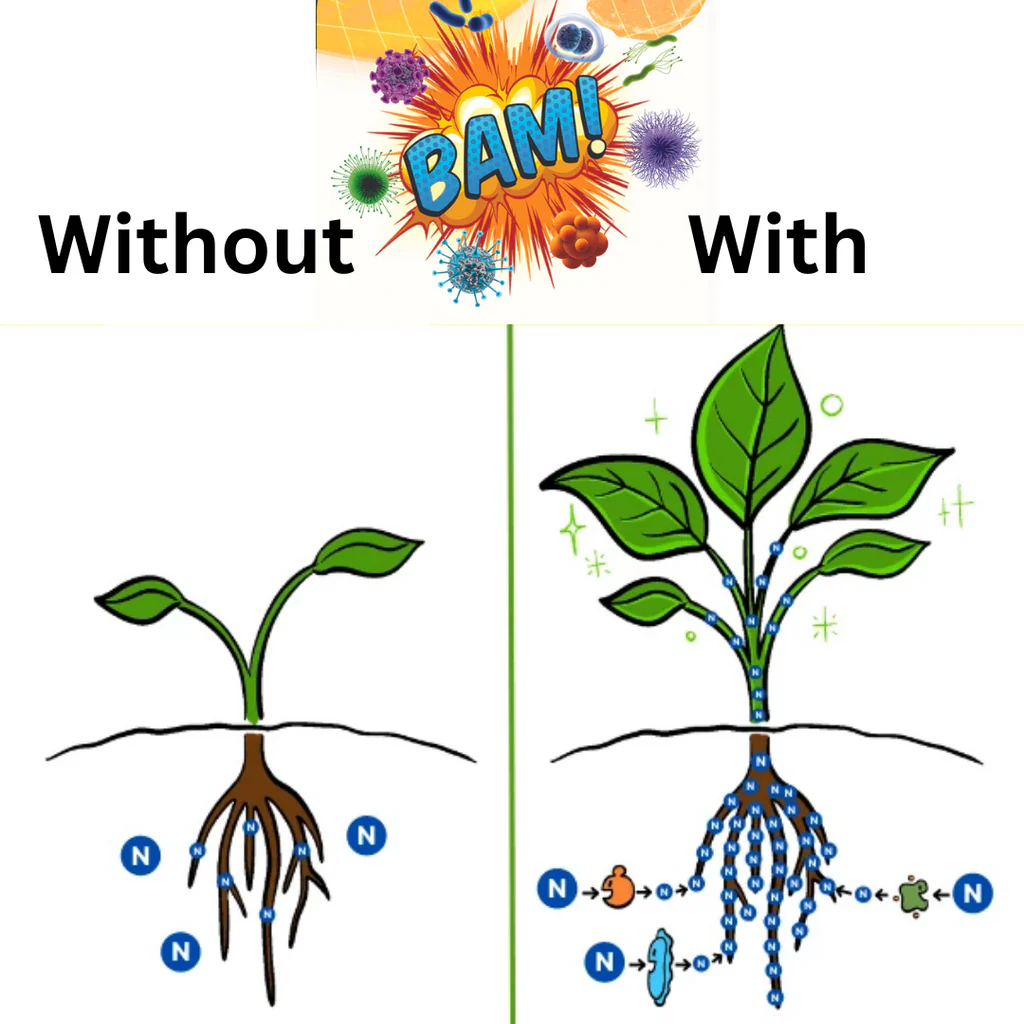
Think of it as giving your plant a second, vastly more expansive root system. The fungi tap into water and nutrients from a much larger soil volume, then deliver those resources directly to the plant. In return, the plant shares the sugars it produces through photosynthesis with the fungus. It's a classic symbiotic mutualism, both organisms benefit, and neither can achieve the same level of success alone.
The fungi excrete organic acids that dissolve minerals locked up in the soil, making them bioavailable to plants. Some mycorrhizal species can even break down rock particles to release nutrients like potassium, calcium, and magnesium. Your plant's roots alone can't do that.
The Benefits Are Hard to Ignore
1. Drastically Improved Nutrient Uptake
Mycorrhizae for plants is most often discussed in the context of phosphorus uptake, and for good reason. Phosphorus is notoriously immobile in soil, meaning it doesn't travel far from where it's initially located. Plant roots struggle to access it unless they're in direct contact. Mycorrhizal hyphae solve this problem by reaching into micropores and crevices that roots can't penetrate.
But phosphorus isn't the only nutrient these fungi help with. They also improve the absorption of nitrogen, potassium, zinc, manganese, and copper. If you've been dumping fertilizer into your soil and still seeing deficiencies, it's worth asking whether your plants have the mycorrhizal partners they need to actually use those nutrients.

2. Enhanced Drought Resistance and Water Efficiency
The expanded reach of the fungal network means your plants can access water at greater depths and from a larger area. This is especially valuable during dry periods or if you're growing in containers where the root zone is limited.
Plants with strong mycorrhizal colonization don't just survive drought better, they actively perform better under water stress. The hyphae act as an extension of the plant's water-gathering infrastructure, pulling moisture from areas the roots would never reach. This isn't a minor benefit. It's the difference between a plant that wilts at the first sign of dry soil and one that keeps pushing through.
3. Disease Resistance and Pathogen Protection
This is one of the lesser-known benefits, but it's significant. Some mycorrhizal fungi form a physical barrier around the roots, creating a protective layer that makes it harder for pathogens to invade. They also compete with harmful organisms for space and resources around the root zone, essentially crowding out the bad actors.
Even more impressive, certain mycorrhizae excrete enzymes that are toxic to soil-borne pathogens like root-knot nematodes. They also suppress pathogenic fungi such as Fusarium, Verticillium, and Phytophthora, all of which can devastate a garden if left unchecked. You're not just feeding your plants better; you're actively protecting them.
4. Better Soil Structure
Mycorrhizal fungi produce a substance called glomalin, which acts like a glue for soil particles. This improves soil aggregation, which in turn improves aeration, water retention, and overall soil health. If you're working with heavy clay or loose sandy soil, mycorrhizae can help stabilize and improve the structure over time.
Not All Mycorrhizae Are the Same
There are thousands of mycorrhizal species, and they don't all do the same thing. Some excel at nutrient uptake. Others are better at water efficiency or helping plants tolerate salty or toxic soils. This diversity matters because different growing conditions call for different fungal partners.
Most commercial mycorrhizal inoculants contain a blend of species to cover a range of benefits. Products like Xtreme Gardening Mykos focus on endo-mycorrhizae, which are the type that penetrate root cells and form the most intimate connection with the plant. This is the species group that works with the vast majority of garden plants, including vegetables, fruits, herbs, and ornamentals.
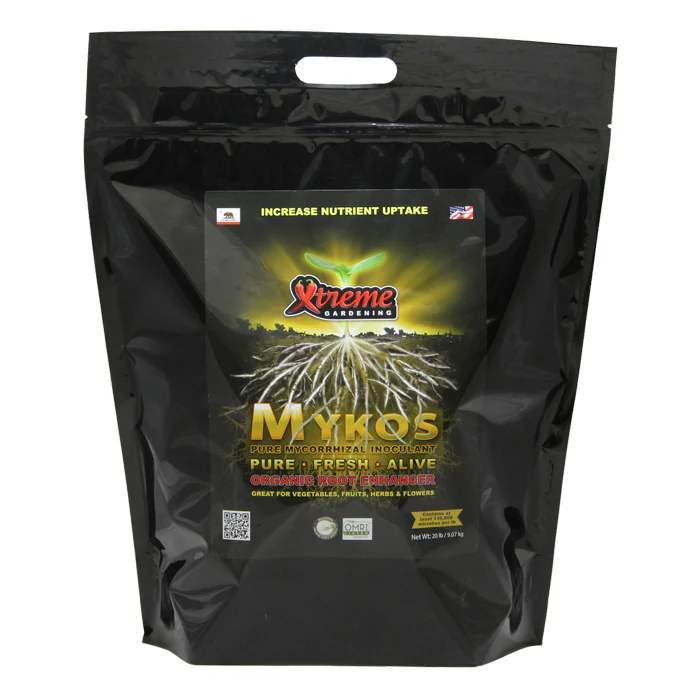
If you're looking to introduce mycorrhizae into your garden or hydroponic system, Mykos is one of the cleanest, most concentrated options available. It's OMRI listed for organic use, which means it's been vetted for purity and effectiveness in organic growing systems. You apply it directly to the root zone during transplanting or mix it into your growing medium before planting.
How to Actually Use Mycorrhizae in Your Garden
The most effective time to introduce mycorrhizae for plants is at transplant or during the early stages of growth. The fungi need direct contact with the roots to colonize effectively, so surface applications after the plant is established are far less effective.
Application Methods:
- Direct root contact: Dust the roots with inoculant powder before transplanting.
- Soil or medium mix: Blend the inoculant into your potting mix or raised bed soil before planting.
- Transplant hole application: Sprinkle a small amount directly into the planting hole and place the root ball on top.
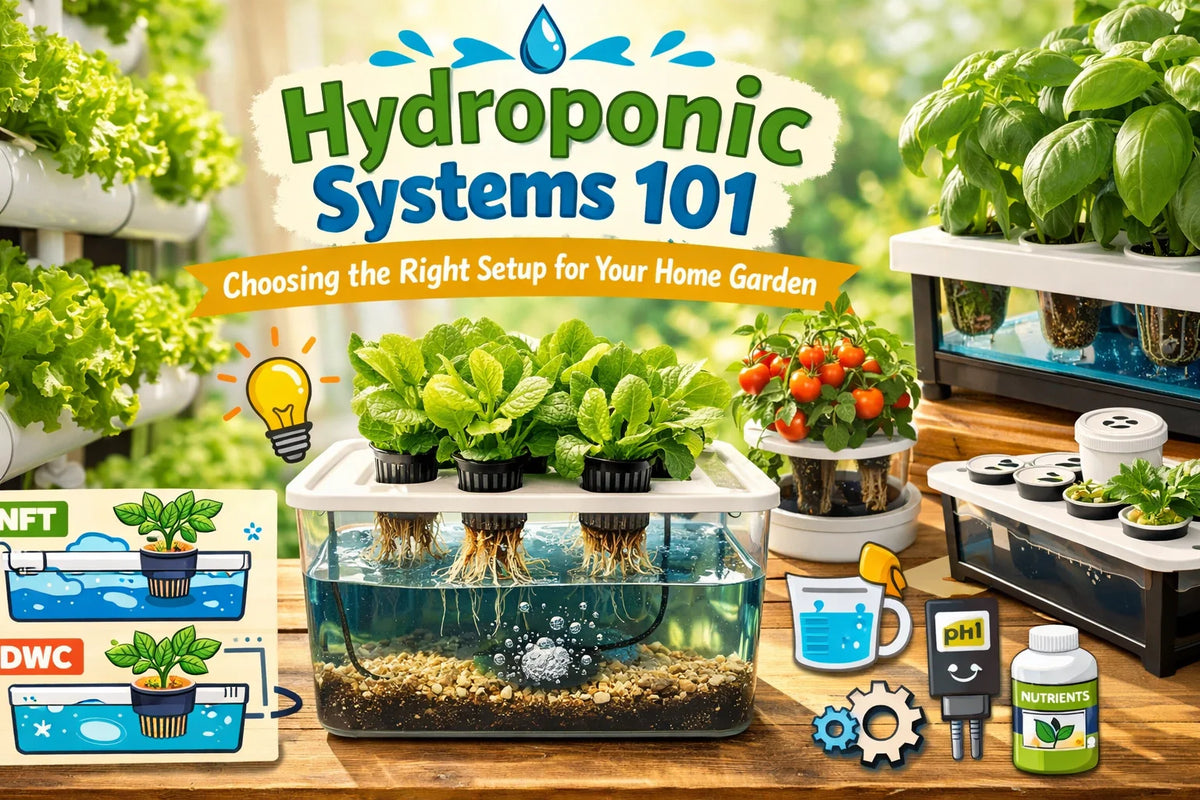
For hydroponic systems, mycorrhizae can still be beneficial, though the application is trickier. Some growers use them in hybrid systems with a solid medium like coco coir or rockwool. Pure water culture setups are less ideal because the fungi need a substrate to anchor into.
If you're working with a complete microbial system, products like BAM! Microbial Inoculant or Drops of Balance can complement mycorrhizal applications by supporting a broader spectrum of beneficial microbes in the root zone. These products focus on balancing the microbial ecology rather than just introducing one type of organism.
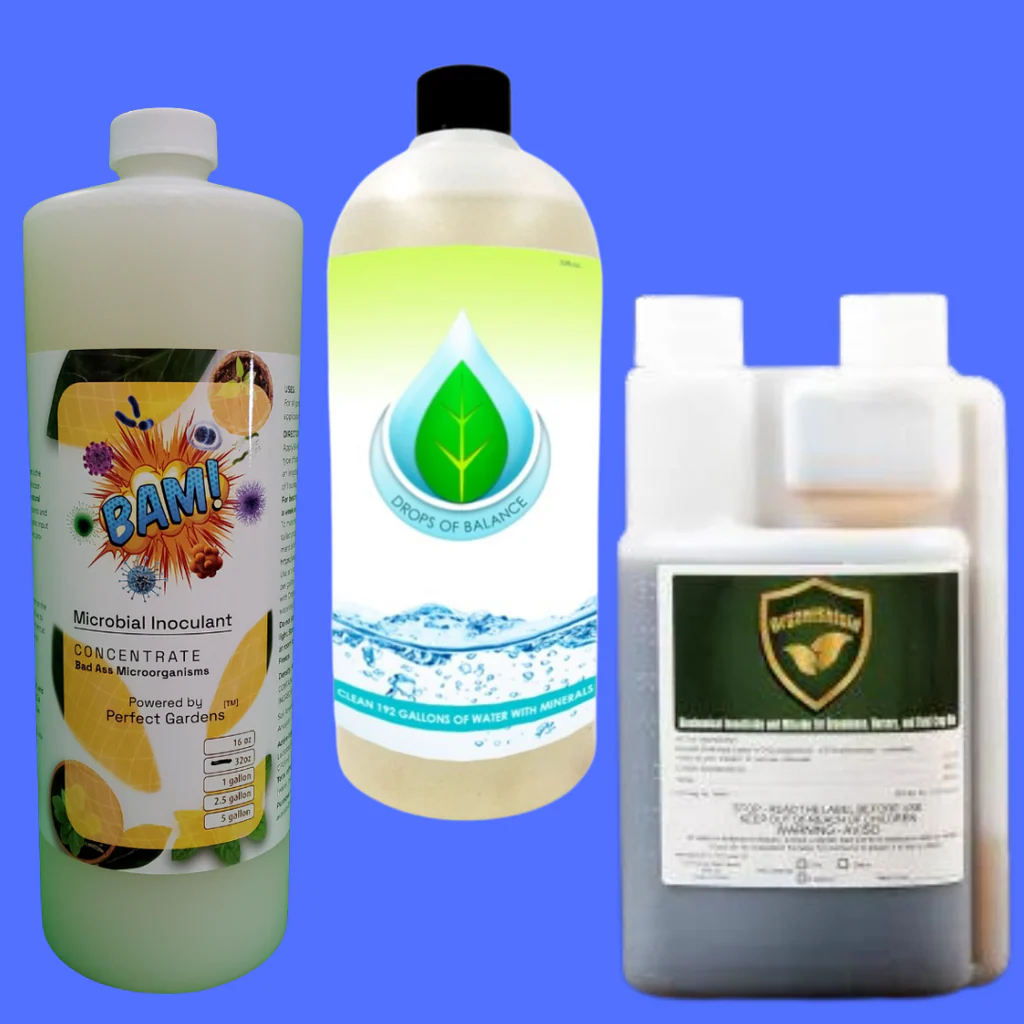
Drops of Balance, in particular, works by mineralizing and purifying water, which creates a more hospitable environment for beneficial microbes, including mycorrhizae, to thrive. It's not a direct inoculant, but it sets the stage for a healthier root zone overall.
Common Misconceptions and Cautions
"Mycorrhizae are a magic bullet." They're not. They work best when the rest of your growing conditions are dialed in. Poor soil, over-fertilization, or lack of proper watering will limit their effectiveness. Mycorrhizae enhance what's already working; they don't fix fundamental problems.
"More is better." Not really. Over-application doesn't harm the plant, but it's a waste of product. A small amount applied correctly at the root zone is far more effective than dumping large quantities onto the soil surface.
"They work instantly." Mycorrhizal colonization takes time, usually a few weeks. You won't see dramatic changes overnight. The benefits accumulate as the fungal network establishes and expands.
Synthetic fertilizers can interfere. High levels of readily available phosphorus can actually suppress mycorrhizal colonization because the plant doesn't "need" the fungi as much. If you're using heavy synthetic feeding schedules, the fungi may struggle to establish. Organic or low-phosphorus feeding programs tend to work better with mycorrhizal inoculants.
Why This Matters for Your Garden
The fact of the matter is that most agricultural and garden soils have been depleted of their natural mycorrhizal populations through tilling, chemical inputs, and monoculture cropping. If you're growing in sterilized potting mix, there are zero mycorrhizae present to begin with.
Reintroducing these fungi isn't just about boosting yields, though that's a nice side effect. It's about rebuilding a functional soil ecosystem that supports plant health from the ground up. Mycorrhizae for plants create resilience, not just growth. They help your plants handle stress, resist disease, and make the most of the nutrients you're already providing.
If you're serious about improving plant health and reducing dependency on heavy fertilization, mycorrhizal inoculants are one of the most cost-effective tools you can use. A small amount goes a long way, especially when applied correctly at the start of the growing cycle.
For growers looking to build a complete microbial system, combining mycorrhizae with products like Drops of Balance and BAM! Microbial Inoculant creates a layered approach that addresses multiple aspects of root zone health. You're not just adding one beneficial organism: you're cultivating an entire underground ecosystem that works in your plants' favor.
The wood wide web isn't science fiction. It's biology, and it's been working long before we ever stuck a shovel in the ground.

Leave a comment
This site is protected by hCaptcha and the hCaptcha Privacy Policy and Terms of Service apply.