
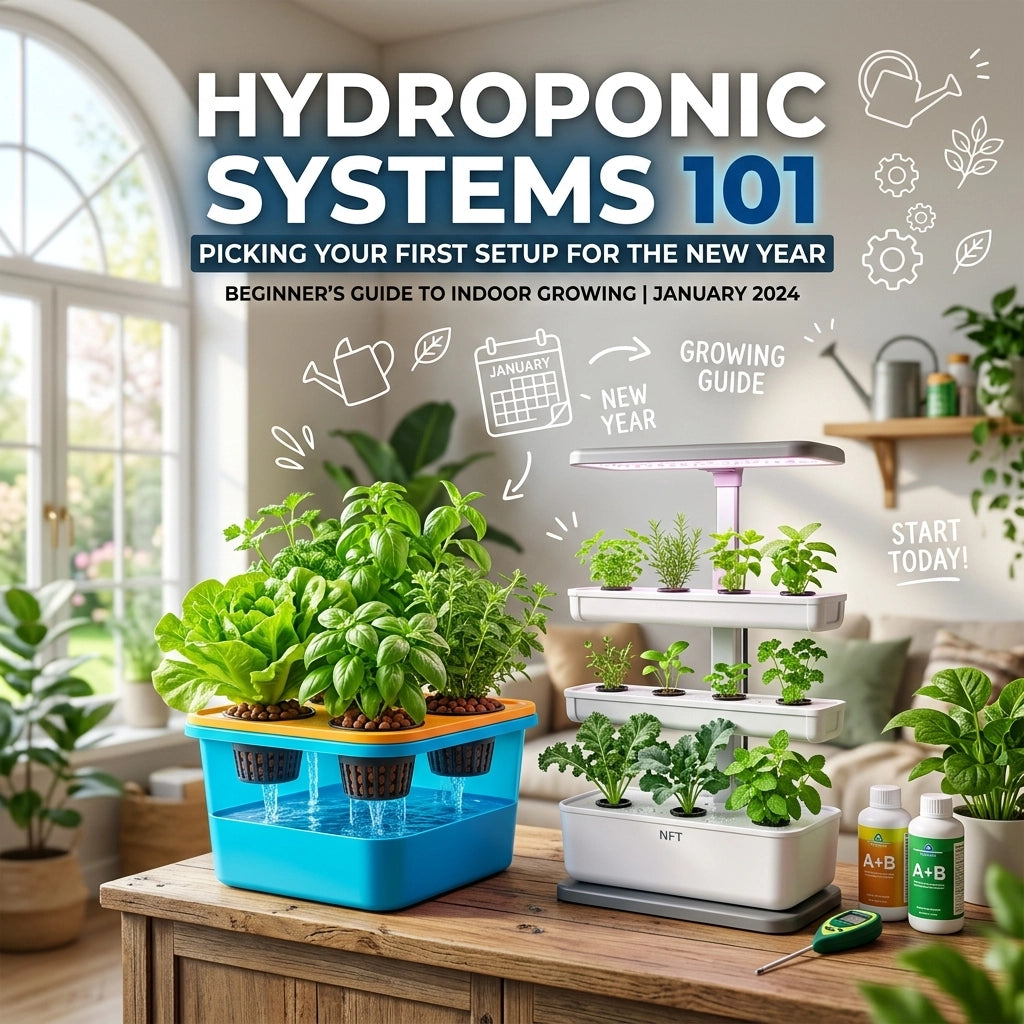
As we step into 2027, many of us are looking for ways to take more control over our food and medicine. Whether you’re tired of the inconsistent quality at the grocery store or you just want a rewarding hobby that pays off in harvests, there’s never been a better time to start an indoor gardening setup.
If you’ve spent any time researching how to grow plants indoors, you’ve likely run into the term "hydroponics." For a beginner, the world of hydroponic systems can feel like a maze of PVC pipes, pumps, and confusing chemistry. But the truth is, hydroponics is just a fancy way of saying "growing plants in water instead of soil." By delivering nutrients directly to the roots, you can actually grow plants faster and achieve larger yields than traditional dirt farming.
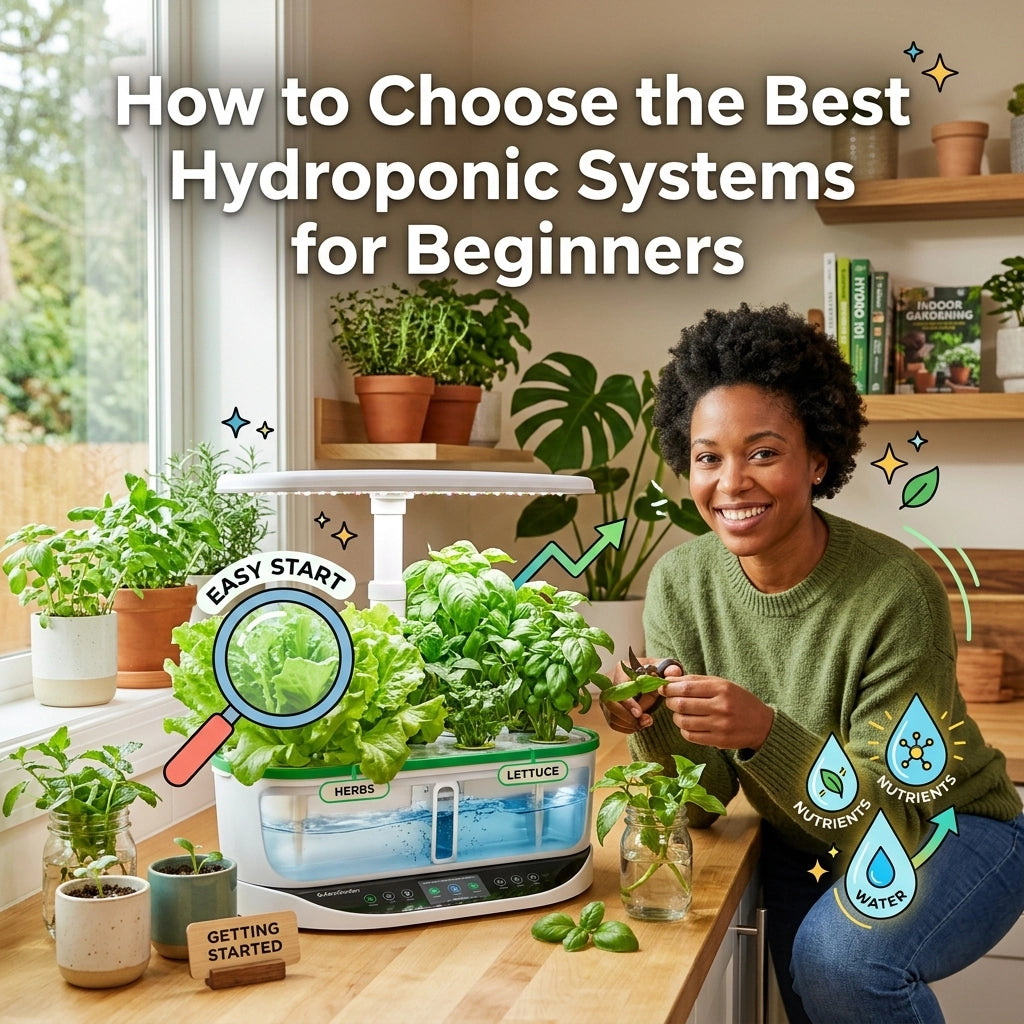
In this guide, we’re going to break down the most popular hydroponic systems for beginners so you can pick the right one for your 2027 goals.
Why Switch to Hydroponics This Year?
Before we look at the gear, let’s talk about the "why." Traditional soil gardening is great, but it comes with baggage, literally. Lugging heavy bags of soil into an apartment or spare room is a workout nobody asked for. Plus, soil can harbor pests like fungus gnats that are a nightmare to get rid of indoors.
Hydroponic systems eliminate the soil entirely. Instead, roots sit in an inert growing medium (like clay pebbles or rockwool) and are bathed in a nutrient-rich water solution. Because the plant doesn't have to "search" for food through dense soil, it puts all that energy into growing leaves, flowers, and fruit. The result? Growth rates that are often 20-30% faster than soil.
1. The Wick System: The Ultimate "Set It and Forget It"
If you are nervous about technology or don't want to deal with moving parts, the Wick System is your best entry point. It is widely considered the simplest hydroponic setup because it is "passive": meaning it doesn't require electricity, pumps, or timers to function.
How it works:
The plant sits in a container above a reservoir filled with water and nutrients. A "wick" (usually a piece of felt or specialized rope) connects the two. Through capillary action: the same force that makes water climb up a paper towel: the wick draws the nutrient solution up into the growing medium and to the plant's roots.
Pros:
- Extremely low cost.
- No mechanical parts to break.
- Silent operation.
Cons:
- Not suitable for "thirsty" plants like tomatoes or large flowering plants.
- Low oxygen levels can lead to slower growth compared to active systems.
Best for: Small herbs, lettuce, and microgreens.
2. Deep Water Culture (DWC): The "Bubble Bucket"
Deep Water Culture is perhaps the most popular choice for beginners who want to see explosive growth. It’s affordable, easy to understand, and very effective for single, large plants.
How it works:
In a Deep Water Culture setup, your plant is suspended in a net pot over a reservoir (usually a 5-gallon bucket). The roots hang down directly into the water. To keep the plant from drowning, an air pump and air stone are used to "bubble" the water, providing the roots with constant oxygen.

Caution: The Water Temperature Trap
The biggest pitfall with DWC is water temperature. If your water gets too warm (above 72°F), it holds less oxygen and becomes a breeding ground for root rot. If you're growing in a warm room, you’ll need to keep an eye on this.
Best for: Heavy feeders like tomatoes, peppers, and large medicinal plants.
3. Ebb and Flow (Flood and Drain)
The Ebb and Flow system is a step up in complexity but offers incredible versatility. This is a great choice if you want to grow many different types of plants in one tray.
How it works:
A submersible pump sits in a reservoir below a grow tray. At set intervals (controlled by controllers or timers), the pump turns on and "floods" the grow tray with nutrient solution. Once the water reaches a certain level, it drains back down into the reservoir. This cycle ensures the roots get plenty of nutrients followed by a period of high oxygen exposure.
Pros:
- You can use pots of different sizes in the same tray.
- Highly efficient use of water and nutrients.
Cons:
- Relies entirely on the pump and timer. If the power goes out or the pump fails, the roots can dry out quickly.
4. Nutrient Film Technique (NFT)
You’ve likely seen these in professional vertical farms or futuristic greenhouse photos. NFT systems are designed for high-density growing.
How it works:
Plants are placed in long, slightly tilted channels. A thin "film" of nutrient solution is constantly pumped across the bottom of the channel, flowing over the tips of the roots before draining back into the reservoir.
Best for: Leafy greens like spinach, kale, and basil. It’s not great for plants with massive root systems, as they can eventually clog the channels and cause a flood in your grow room.

Essential Components for Any Hydroponic Setup
Regardless of which system you choose, you’ll need a few core items to make your 2027 grow a success:
1. High-Quality Lighting
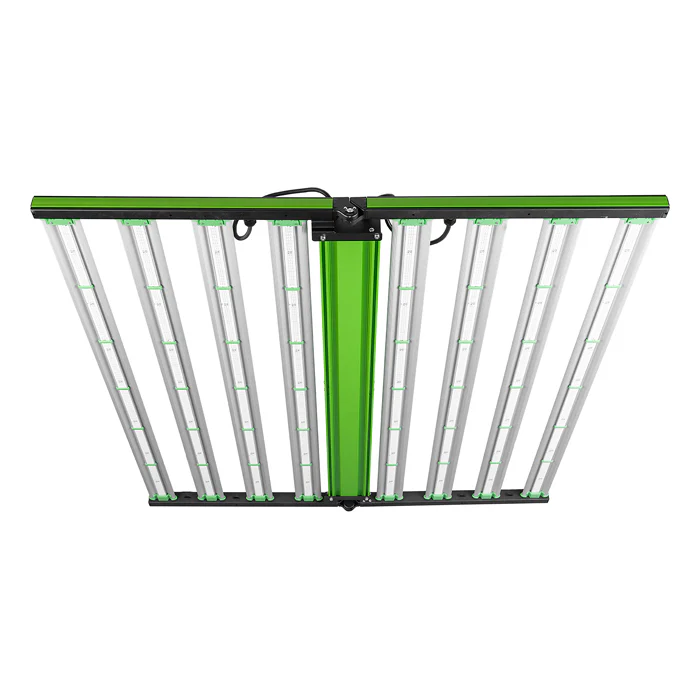
Since you’re growing indoors, you are the sun. For beginners, LED technology has come a long way. We recommend looking at Medic Grow or other commercial-grade LED fixtures. These provide the full spectrum of light your plants need without generating the intense heat of old-school HPS bulbs.
2. Growing Media
Since you aren't using soil, you need something to hold the plant upright.
- Clay Pebbles (Hydroton): pH neutral and reusable, but they don't hold water well.
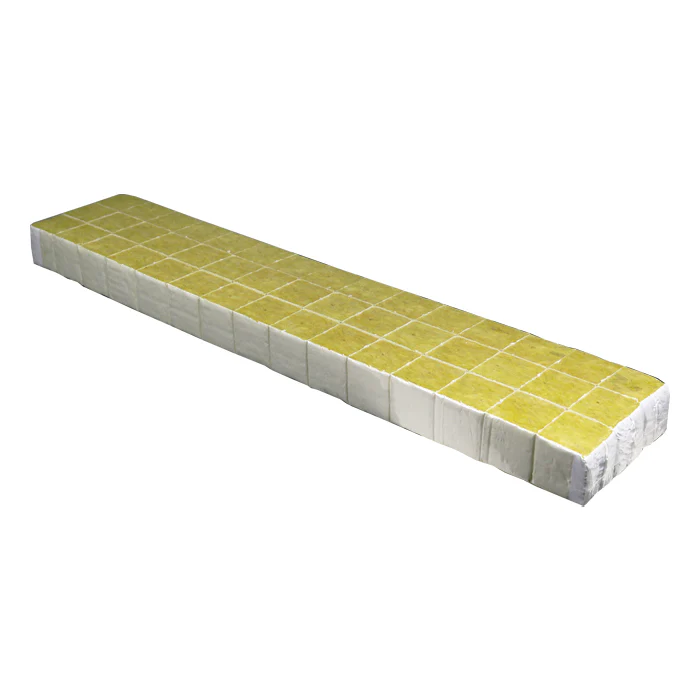
- Rockwool: Excellent for starting seeds and clones. These rockwool starter trays are a staple for any hydroponic grower.
- Coco Coir: Made from coconut husks, it feels like soil but acts like a sponge, making it very forgiving for beginners.
3. Nutrient Solutions and pH Management
Plants in hydroponic systems are 100% dependent on you for food. You’ll need a liquid nutrient line designed specifically for hydroponics.
The Fact of the Matter is: If your pH is off, your plants can't eat. In hydroponics, you want your water pH to stay between 5.5 and 6.5. If it drifts outside this range, the plant will experience "nutrient lockout," where the food is in the water, but the roots can't absorb it. Investing in a decent pH meter is non-negotiable.
Managing Your Water Quality
One of the most overlooked aspects of a new indoor gardening setup is the water itself. City tap water often contains chlorine and heavy metals that can stunt growth or kill beneficial microbes. Using a water filtration system or treatments like Drops of Balance can ensure your plants are starting with a clean slate.
If you find that your water is particularly "hard" (high mineral content), you might struggle with nutrient ratios. In those cases, starting with filtered water and adding back exactly what the plant needs is the most reliable path to a heavy harvest.
Common Pitfalls for Beginners
It’s easy to get excited and over-complicate things, but here are three things that usually trip up new growers:
- Over-feeding: More is not always better. It is much easier to fix a slight nutrient deficiency than it is to save a plant that has been "burned" by too much fertilizer. Start at half-strength and work your way up.
- Light Leaks in the Reservoir: Algae loves two things: light and nutrients. If your reservoir isn't light-proof (opaque), you will end up with a green, slimy mess that competes with your plants for oxygen.
- Ignoring the Roots: In soil, the roots are invisible. In hydroponics, they are your best health indicator. Healthy roots should be bright white and firm. If they look brown or smell like a swamp, you have an oxygen or temperature problem.
Ready to Start?
Starting your first hydroponic system is a learning experience. You might have a pump fail, or you might forget to check your pH for a few days: it happens to the best of us. The key is to start simple. A single DWC bucket or a small Ebb and Flow tray is enough to teach you the basics of plant physiology and nutrient management.
As you get comfortable, you can look into more advanced automation, like Blumat automatic watering stakes or sophisticated controllers that manage your lights and fans.
The most important step is just getting that first seed in the water. Whether you want a kitchen full of fresh herbs or a tent full of high-grade flowers, 2027 is the year to make it happen. If you need help picking out specific parts or want to see what's in stock, head over to our hydroponics collection and get your gear ready for the new year.


Leave a comment
This site is protected by hCaptcha and the hCaptcha Privacy Policy and Terms of Service apply.