
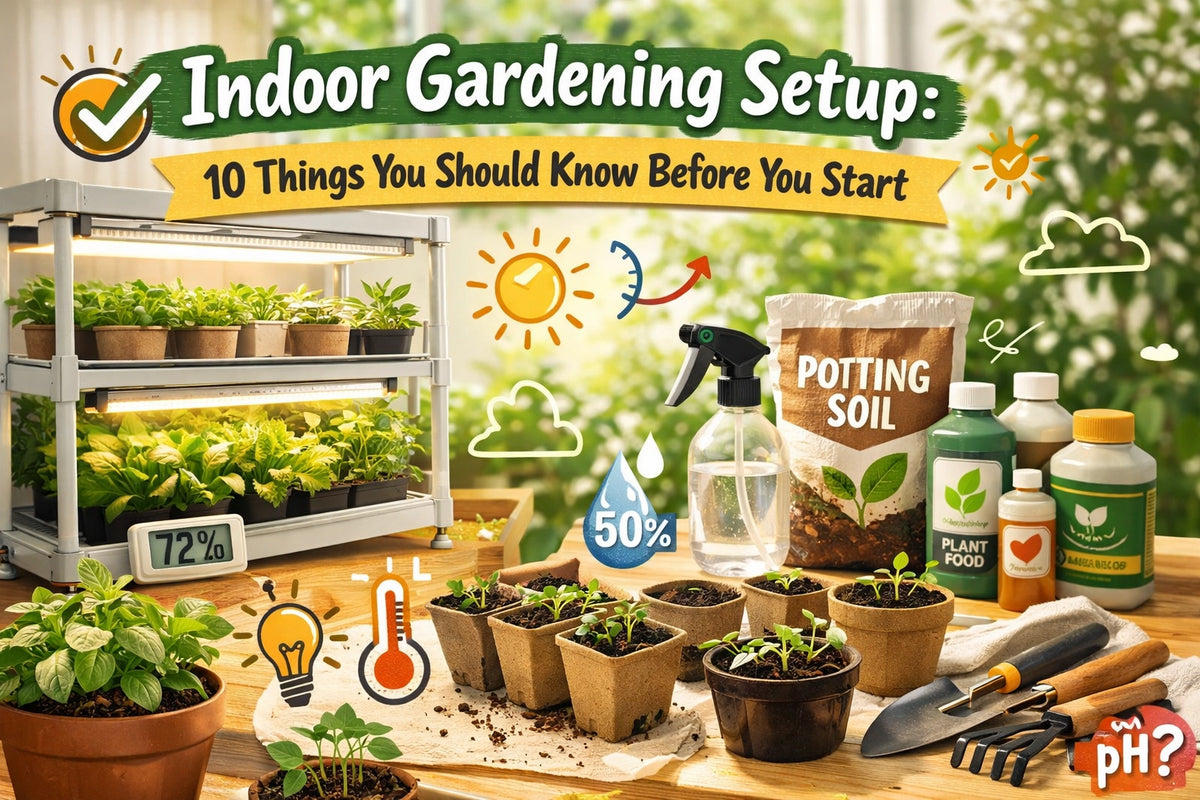
Starting your first indoor garden is an exciting milestone. There is something deeply satisfying about taking control of your environment and watching a tiny seed transform into a massive, thriving plant right in your spare bedroom or basement. However, for many beginners, the initial excitement is quickly met with the reality of technical choices. Should you go with soil or hydro? Which light is actually worth the money? Why are the leaves turning yellow?
The fact of the matter is that a successful indoor gardening setup doesn't have to be overly complicated, but it does require a foundational understanding of how indoor environments differ from the great outdoors. When you grow outside, nature handles the light, the wind, and the drainage. Indoors, you are the weather god. You provide the sun, the rain, and the breeze.
To help you get started on the right foot, we’ve put together this high-level checklist of the 10 most essential things you need to know before you drop that first seed.
1. Choose Your Space Wisely
Before you buy a single piece of equipment, you need to decide where your garden will live. Most beginners assume a closet is fine, but closets often lack the necessary height or ventilation. A dedicated grow tent is usually the best entry point for a serious indoor gardening setup.
Tents are designed to reflect light back onto the plants using Mylar lining, and they offer built-in ports for fans and power cords. They also contain spills and smells, which your carpet and neighbors will thank you for. If you are tight on space, a small 2x2 tent is perfect for 1-2 plants, while a 4x4 or 5x5 tent can house a full personal harvest.

2. Light is Your Most Important Investment
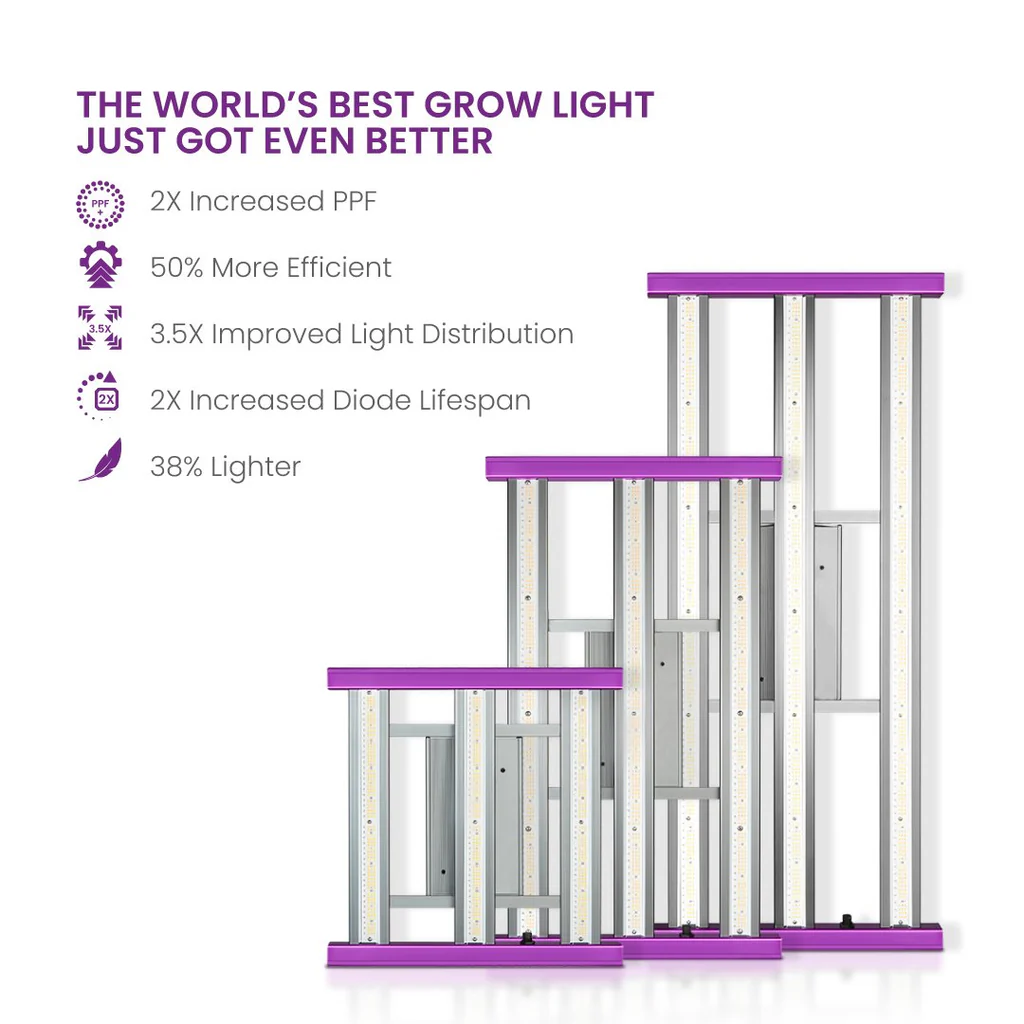
In the world of indoor gardening, light is literally food. Your plants use it to drive photosynthesis, and the quality of your light will directly dictate the quality and size of your yield. Many beginners try to save money by using standard "shop lights" or cheap "blurple" LEDs from big-box retailers, but these often lack the intensity and spectrum required for flowering plants.
Modern LED grow lights have changed the game. They run cooler, use less electricity, and provide a full spectrum of light that mimics the sun. Products like the KIND LED X420 offer the penetration needed to reach the lower branches of your plants without burning the tops. Remember: you get what you pay for when it comes to photons.
3. Ventilation is Not Optional
One of the most common mistakes new growers make is forgetting about airflow. Plants "breathe" CO2 during the day and oxygen at night. If the air in your tent is stagnant, the plant will quickly use up the available CO2 and its growth will stall.
Furthermore, high-intensity lights generate heat. Without an exhaust fan pulling that hot air out and bringing fresh, cool air in, your tent can quickly become an oven. You’ll want an inline duct fan and a carbon filter. The carbon filter is the "secret weapon" of indoor gardening: it scrubs the air of any plant odors before it leaves the tent, keeping your hobby private.
4. Temperature and Humidity Control
Plants are sensitive creatures. Most common indoor crops thrive in temperatures between 70°F and 85°F. If it gets too cold, growth slows to a crawl. If it gets too hot, the plant becomes stressed and prone to pests.
Humidity is equally important. During the seedling stage, plants love high humidity (60-70%). As they grow and begin to flower, you need to drop that humidity (down to 40-50%) to prevent mold and bud rot. It seems more like a minor detail, but professional growers spend a huge amount of time dialing in these two variables. Grab a cheap digital hygrometer to monitor these levels 24/7.
5. Soil vs. Hydroponics: Which is Best for You?
This is the age-old debate. For most beginners, starting in a high-quality potting mix or "super soil" is the easiest path. Soil is forgiving; it acts as a buffer for pH swings and nutrient mistakes.
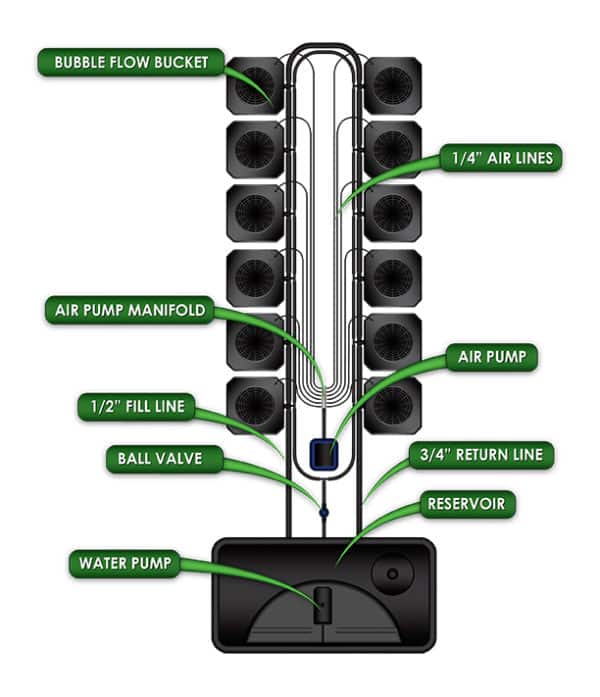
However, if you want explosive growth and maximum control, hydroponics is the way to go. Systems like Deep Water Culture (DWC) or Bubble Flow buckets deliver nutrients directly to the roots in a highly oxygenated water solution. It’s faster, but it requires more precision. If you’re a "techie" person who likes to measure things, hydro is a blast. If you prefer a more "hands-off" natural approach, stick with soil.
6. Mastering the pH Level
The biggest "hidden" reason plants die indoors isn't a lack of nutrients: it's incorrect pH. Think of pH as the key that unlocks the door to the nutrients. If your water is too acidic or too alkaline, the plant literally cannot "see" the food in the medium, leading to "nutrient lockout."
For soil, you generally want a pH between 6.0 and 7.0. For hydroponics, you want it slightly more acidic, between 5.5 and 6.5. You will need a pH pen or a liquid testing kit to check every single time you water. It takes 30 seconds but saves months of frustration.

7. Don't Overwater (The Silent Killer)
More indoor plants have been killed by "kindness" than by neglect. Beginners often feel the need to water their plants every day. In soil, this leads to root rot because the roots need oxygen just as much as they need water.
The "finger test" is your best friend: stick your finger an inch into the soil. If it feels damp, wait. If it’s dry, water. Also, ensure your pots have plenty of drainage holes. You want the water to run through the medium, not sit at the bottom like a swamp.
8. Cleanliness and Pest Prevention
In an indoor gardening setup, you are creating a perfect environment for plants: which unfortunately means it’s also a perfect environment for bugs like spider mites, fungus gnats, and thrips.
The best defense is a good offense. Never bring outdoor plants into your indoor grow room. Always wash your hands before touching your plants, and keep the floor of your tent free of dead leaves and spilled soil. An ounce of prevention is worth a pound of cure when it comes to Integrated Pest Management (IPM).

9. Start with Easy Genetics
It’s tempting to try and grow the most exotic, difficult-to-manage varieties right out of the gate. However, we always recommend that beginners start with "forgiving" genetics. Some plants are naturally more resistant to mold, pests, and heat stress.
If you are growing vegetables, look for "bush" varieties that don't take up too much vertical space. If you are growing herbs, mint and basil are notoriously hard to kill and provide a great "win" for a first-time gardener. Success breeds confidence!
10. Automation Can Save Your Life (and Your Plants)
Let’s be real: life happens. You might forget to turn the lights off, or you might have to go out of town for a weekend. This is where automation tools come in. Simple light timers are a must-have to ensure your plants get a consistent "day" and "night" cycle.
As you get more advanced, you can look into smart indoor gardening setups that include auto-watering systems or controllers that adjust your fan speed based on the temperature. Automation isn't just about being lazy; it's about consistency, and consistency is the secret to huge yields.
Summary Checklist for Your Setup
To wrap things up, here is a quick "Ready-to-Grow" checklist for your first week:
- Space: Is your tent set up in a room with a stable temperature?
- Light: Is your light hung at the correct height (check the manufacturer's manual)?
- Air: Do you have an intake vent open and an exhaust fan running?
- Medium: Did you choose a high-quality potting mix or coco coir?
- Nutrients: Do you have a base nutrient kit ready to go?
- Water: Do you have a way to dechlorinate your tap water (usually by letting it sit out for 24 hours)?
- Monitoring: Is your hygrometer inside the tent at canopy level?
Indoor gardening is a journey of constant learning. You will make mistakes: everyone does. You’ll overfeed a plant, or you’ll accidentally leave a fan off. Don't sweat it. Each mistake is just a lesson that makes you a better grower.
If you’re ready to stop reading and start growing, check out our full collection of grow essentials to get your project off the ground. We’ve spent years vetting the best gear so you don’t have to. Happy growing!

Leave a comment
This site is protected by hCaptcha and the hCaptcha Privacy Policy and Terms of Service apply.