

As the heat of summer begins to fade and the nights get longer, most outdoor gardeners are looking at their final harvests. But for the indoor grower, September marks a critical transition. This is the time when pests that have been thriving outdoors all summer, spider mites, aphids, thrips, and whiteflies, start looking for a warm, stable environment to survive the coming winter.
The fact of the matter is, your indoor grow room is like a five-star hotel for these pests. It’s warm, it’s humid, and it’s filled with succulent green plants. If you aren't proactive about Integrated Pest Management (IPM) right now, you aren't just growing plants; you're growing a massive infestation.
Keeping outdoor pests out isn't about one single "magic spray." It’s a multi-layered strategy that involves exclusion, sanitation, and biological defense. Let’s break down how to harden your indoor space against the late-summer bug migration.
The Human Vector: You are the Primary Carrier
The most common way outdoor pests find their way into a clean indoor tent is by hitching a ride on the grower. If you’ve been working in your outdoor vegetable garden or even just walking through tall grass, you likely have microscopic pests or eggs on your clothes, hair, and shoes.
To prevent this, you need a strict "no outdoor clothes" policy in the grow room.
- Change Your Clothes: Never go directly from an outdoor garden into your indoor space. Change into fresh, clean clothes that stay inside the house.
- Dedicated Footwear: Keep a pair of "indoor only" shoes or slippers right outside the grow room door. This prevents you from tracking in soil-borne pathogens or larvae.
- Wash Your Hands: It sounds simple, but scrubbing your hands and forearms before touching your plants is one of the easiest ways to stop the spread of mites and powdery mildew.
If you want to see how other growers manage these protocols, check out our Army of Growers page to see community setups and tips.
Physical Exclusion: Sealing the Perimeter
If a pest can’t get in, it can’t reproduce. Most growers focus on the door, but pests are much smaller and more resourceful than we give them credit for. They can enter through intake fans, cracks in baseboards, or gaps around utility lines.
Screen Your Intakes
Many growers pull fresh air from outside or from a crawlspace to keep temperatures down. If your intake doesn't have a fine mesh screen, you are essentially inviting bugs in. Standard window screening is often too large to stop tiny pests like thrips or aphids. You need a high-quality filter or a "bug screen" specifically designed for grow room environments.
Seal the Gaps
Take a flashlight and turn off the lights inside your grow room or tent. Look for any light leaking in from the outside. If light can get in, a bug can get in. Use high-quality silicone caulk or expanding foam to seal around power cords and ducting. If you are using a dedicated room, consider lining the walls with Panda Film to create a wipeable, sealed surface that doesn't harbor eggs in the drywall.

The Deep Clean: Sterilizing Before the Cycle
If you are starting a new cycle this September, the best thing you can do is a "reset" clean. Pests from your previous summer grow might be lying dormant in the corners of your tent.
- Vacuum Everything: Use a HEPA vacuum to get into the tracks of your grow tent and the corners of the room.
- Disinfect Surfaces: Wipe down your tent walls, light fixtures (when off), and fans with a diluted bleach solution or a specialized peroxide-based cleaner.
- Clean Your Pots: If you reuse plastic pots, scrub them thoroughly. Better yet, consider starting fresh with clean media to ensure no soil-borne pests are lurking.

Caption: A clean, organized grow tent setup using AC Infinity equipment to maintain a controlled environment.
Creating a Biological Fortress
In a truly effective IPM strategy, you don't wait for the bugs to arrive. You create an environment where they struggle to gain a foothold. This starts at the root zone.
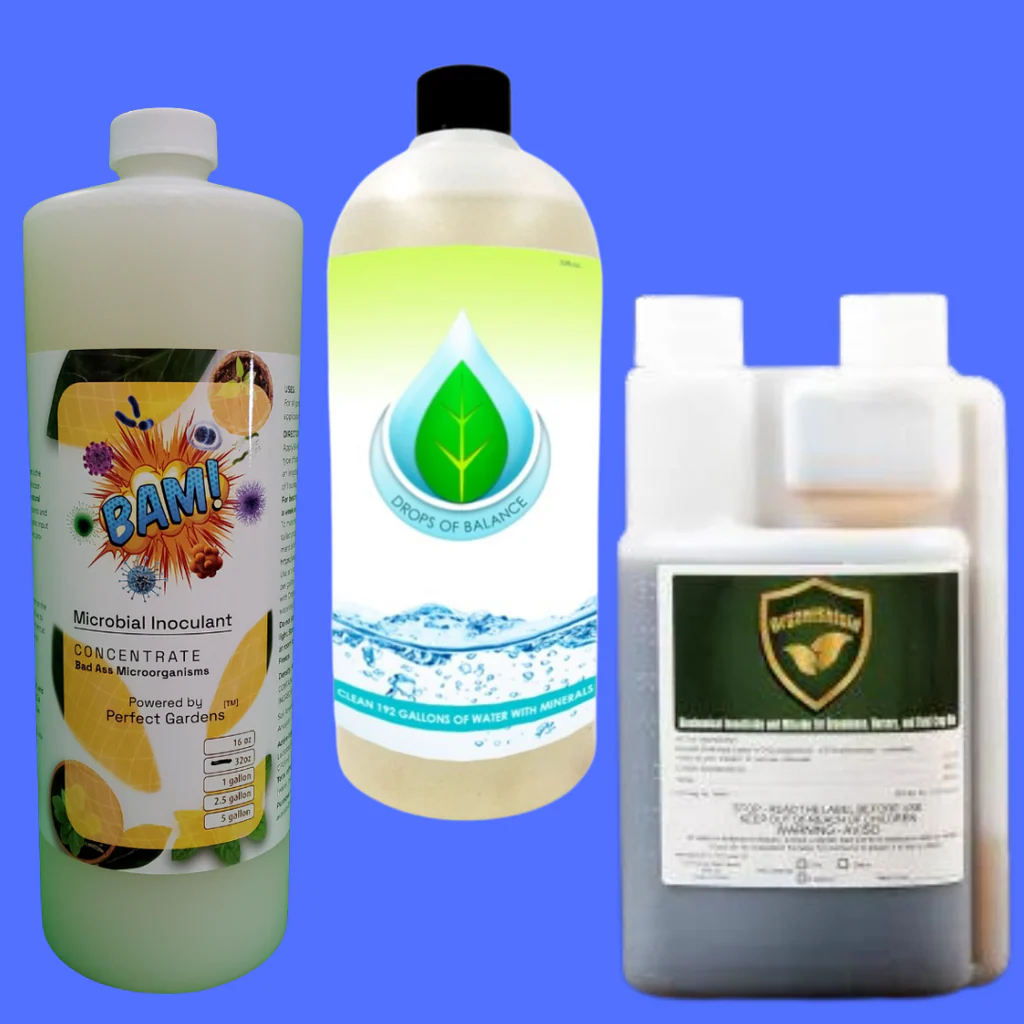
Using beneficial microbes like BAM! (Beneficial Ancient Microbes) helps strengthen the plant's natural immune system. A healthy plant produces more secondary metabolites (terpenes and alkaloids) that naturally deter many pests. When the root zone is colonized by beneficial bacteria and fungi, the plant is less stressed and more resilient to environmental shifts that usually invite pests.
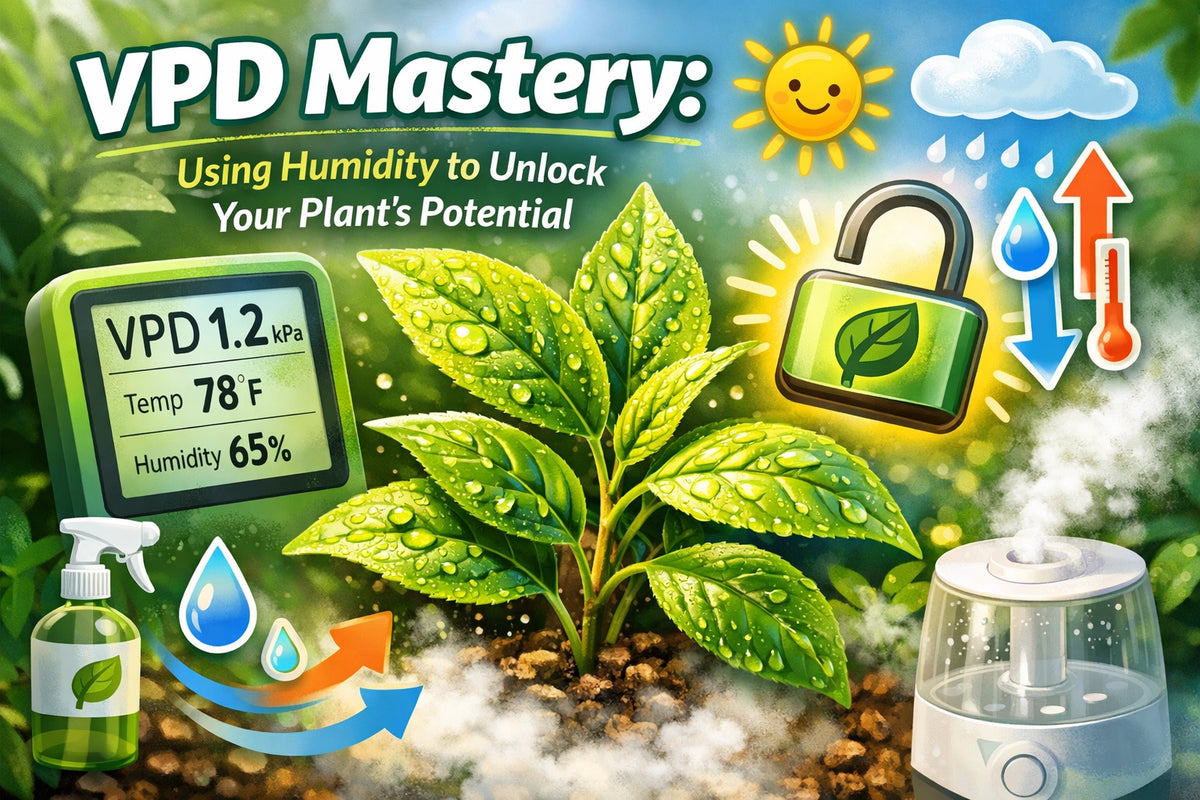
Furthermore, maintaining the right Vapor Pressure Deficit (VPD) is crucial. Many pests, like spider mites, thrive in hot, dry conditions. By using tools like the AC Infinity App Interface to monitor and adjust your humidity and temperature, you can keep the environment in a range that favors plant growth but discourages pest reproduction.
Monitoring: Your Early Warning System
Early detection is the difference between a minor nuisance and a total crop loss. You should be inspecting your plants daily, but you also need tools that "watch" the room when you aren't there.
- Yellow and Blue Sticky Traps: Place these at the base of your plants and at canopy height. Yellow traps attract fungus gnats and whiteflies, while blue traps are better for thrips. Check these every few days. If you see even one bug, it’s time to escalate your IPM.
- Jeweler’s Loupe: Don’t just look at the top of the leaves. Most pests hide on the undersides. Use a 30x or 60x loupe to check the leaf veins regularly.
- Check the Soil: If you see tiny black flies hovering around the base of your pots, you likely have fungus gnats, which are often brought in through cheap, unsterilized bags of soil stored outdoors at big-box stores.
Organic Knockdown: OrganiShield
Even with the best prevention, a stray pest might make it through. When that happens, you need a knockdown strategy that won't compromise your health or the quality of your harvest. This is where OrganiShield comes in.
OrganiShield is a sucrose-ester-based insecticide that works on contact by dehydrating the pest. Because it’s organic and leaves no toxic residue, it’s an excellent choice for indoor environments where airflow might be limited. It’s effective against spider mites, aphids, and whiteflies: the "big three" that usually migrate indoors during the fall.

Caution: The Dangers of "Broad-Spectrum" Chemicals
It is tempting to reach for heavy-duty chemical pesticides when you see a spider mite web, but we strongly advise against this in an indoor setting. Many of these chemicals are not labeled for indoor use and can linger in your grow space for months, potentially affecting your personal health. Always stick to organic, contact-based solutions and focus on the reason the bugs are there rather than just killing the ones you see.
If you're feeling overwhelmed or need specific advice on a pest you've discovered, we offer Grow Help Videos that walk you through identifying and treating common issues.
Summary of the September IPM Checklist
To keep your indoor room a "no-fly zone" this fall, follow this quick checklist:
- Seal Intake Vents: Use fine mesh screens on all air entries.
- Sanitize Clothing: Change into "indoor-only" gear before entering.
- Sticky Traps: Deploy traps early to monitor for activity.
- Microbial Support: Use BAM! to boost plant immunity.
- Environment Control: Keep your VPD in check to discourage mites.
- Have a Plan: Keep a bottle of OrganiShield on hand so you can react immediately to any sightings.
The transition to indoor growing should be an exciting time, not a stressful battle against nature. By treating your grow room like a clean-room laboratory and being disciplined about who (and what) enters that space, you’ll set yourself up for a successful, pest-free winter harvest.
If you have questions about setting up a new tent or need help picking the right filtration, feel free to contact us. We’ve helped thousands of growers transition their setups to be more secure and productive. Happy growing!



Leave a comment
This site is protected by hCaptcha and the hCaptcha Privacy Policy and Terms of Service apply.