

As the winter months roll in and temperatures drop, indoor gardeners often face a silent enemy: cold root zones. While we focus heavily on LED lights and ambient room temperature, the container holding your plant’s "engine", the root system, is frequently overlooked.
For years, standard plastic pots were the default choice for growers. They are cheap, readily available, and seemingly durable. However, as our understanding of soil science and thermodynamics has evolved, the limitations of plastic have become glaringly obvious, especially in extreme weather. This is where fabric grow pots have stepped in to change the game.
At Perfect Gardens, we’ve seen a massive shift toward fabric containers, specifically brands like Grassroots, because they solve the fundamental flaws of plastic. In this guide, we’ll break down why fabric beats plastic when the mercury drops and how you can protect your harvest from the winter chill.
The Problem with Plastic: The "Micro-Fridge" Effect
To understand why fabric is superior, we first have to look at the physics of a plastic container. Plastic is a non-porous material that acts as a thermal conductor. In the summer, plastic pots absorb heat from the sun or grow lights and bake the roots. In the winter, the opposite happens.
If your grow room is in a basement or a garage where the floor is cold, a plastic pot will leach that cold directly into the soil. Because there is no airflow through the walls of the pot, the damp soil inside stays cold and stagnant. This creates a "micro-fridge" effect. When roots get too cold (typically below 65°F), their metabolic processes slow down significantly. Nutrient uptake, specifically phosphorus and magnesium, drops off, leading to stunted growth and purple stems.
Furthermore, plastic pots offer zero "breathability." In cold weather, water evaporates more slowly. If you overwater a plastic pot in December, that soil might stay soggy for a week, leading to the dreaded root rot (Pythium).
How Fabric Grow Pots Act as a Thermal Buffer
Many growers assume that because fabric is "breathable," it must let all the heat out. While it’s true that fabric pots are famous for evaporative cooling in the summer, they actually provide a much more stable environment in the winter.
Think of a fabric pot like a high-performance winter jacket for your plants. A plastic pot is like wearing a thin plastic raincoat in a blizzard; it might keep you dry, but it offers no insulation and feels freezing to the touch. A fabric pot, particularly high-quality versions, provides a layer of air and fiber that acts as a buffer between the cold ambient air and the delicate root mass.
1. Temperature Regulation through Air Pockets
Fabric grow pots are made of geotextile fibers. These fibers create tiny air pockets within the material itself. Air is a poor conductor of heat, which, in this context, is a good thing. These air pockets slow down the transfer of cold from the outside environment to the root zone. While it won't "heat" the soil, it prevents the rapid temperature swings that shock plants in plastic containers.
2. The Grassroots Advantage: Lined vs. Unlined
Not all fabric pots are created equal. Standard fabric pots can sometimes cause the soil to dry out too fast in the winter if your indoor humidity is very low (which is common when heaters are running). This is why we highly recommend Grassroots fabric pots.

Grassroots pots often feature a specialized moisture-wicking liner. This liner is a game-changer for winter growing. It directs moisture downward while allowing for aeration at the bottom and top. This prevents the "chill" that comes from excessive evaporation off the sides of the pot while maintaining the superior oxygen levels that fabric is known for.
The Secret Weapon: Air Pruning
The biggest biological advantage of fabric grow pots, regardless of the temperature, is air pruning. In a plastic pot, when a root reaches the edge, it has nowhere to go. It begins to circle the perimeter, eventually becoming "root-bound." These circling roots are inefficient at absorbing nutrients and are highly susceptible to temperature stress.
In a fabric pot, when a root reaches the side, it is exposed to air. The tip of the root naturally dries out and "dies," which signals the plant to send out hundreds of small, fibrous lateral roots from the center.
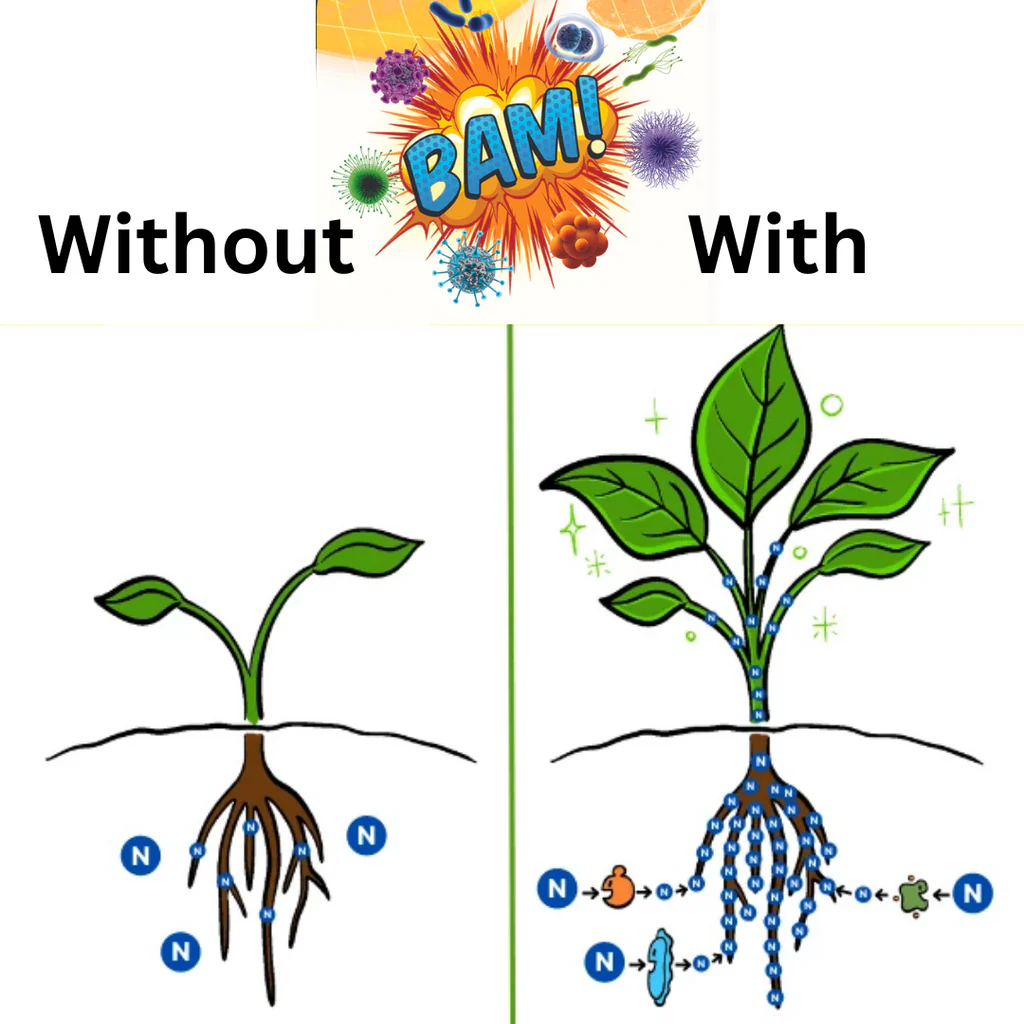
This creates a massive, dense root system that fills the entire volume of the pot. A denser root system is a more resilient root system. A plant with a healthy, thick root mass can withstand colder temperatures much better than a plant with a few weak, circling roots struggling at the bottom of a cold plastic bucket.
Managing Moisture and Preventing Winter Root Rot
Winter is the prime season for root rot. In hydroponic systems or traditional soil setups, the combination of cold water and low oxygen is a recipe for disaster.
Fabric grow pots naturally mitigate this risk. Because the material is porous, it allows for gas exchange throughout the entire root zone. Oxygen is the enemy of anaerobic pathogens like Pythium. By ensuring your root zone is highly oxygenated, you are effectively "vaccinating" your plants against the rot that thrives in the stagnant, cold bottom of plastic pots.

Caption: A close-up comparison of a healthy root system in a fabric pot versus a root-bound system in a plastic container.
Supplementing Root Health in Cold Temps
Even with the best fabric pots, winter gardening requires a little extra help. Since microbial activity slows down in the cold, we recommend supplementing your grow with beneficial microbes and fungi.
When you use Xtreme Gardening Mykos, you are introducing mycorrhizal fungi that create a symbiotic relationship with your roots. These fungi act as an extension of the root system, reaching into microscopic pores in the soil to pull in nutrients that the plant might otherwise struggle to access in cold conditions.
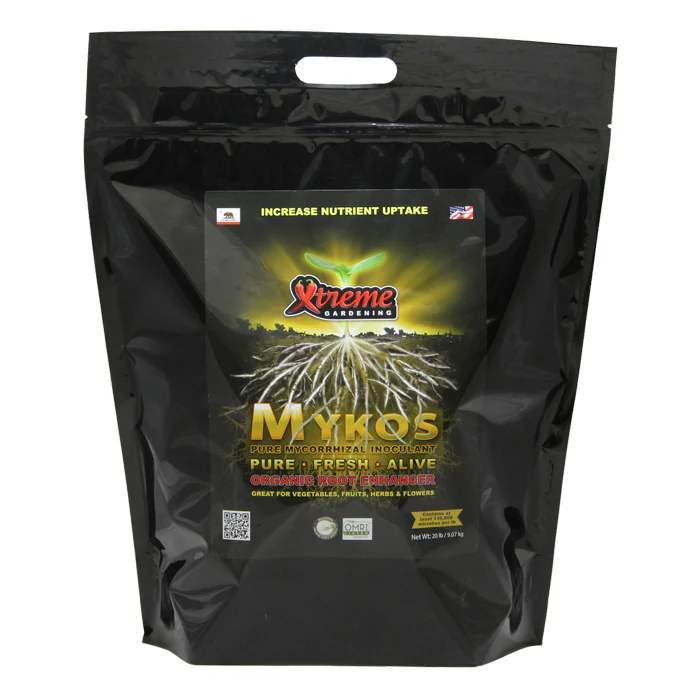
Pairing fabric pots with a solid microbial program like BAM! Microbial Inoculant ensures that even if the temperatures dip slightly, the biological "engines" in your soil keep running.
Practical Tips for Winter Fabric Pot Growing
If you’re making the switch to fabric grow pots this December, keep these practical tips in mind:
- Elevate Your Pots: Even with fabric, do not leave your pots directly on a cold concrete floor. Use pot elevators or even simple wooden pallets to create an air gap. This prevents "conductive cooling" from the ground.
- Monitor Your Dry-Backs: Fabric pots dry out differently than plastic. In the winter, your topsoil might look dry while the center is still moist. Stick your finger a few inches in to check before watering.
- Use Room-Temp Water: Never water your plants with ice-cold tap water in the winter. Let your water sit out until it reaches room temperature (around 68-72°F) to avoid shocking the roots.
- Consider a Liner for Low Humidity: If your grow tent is hitting 20% humidity due to winter heaters, use the lined Grassroots pots to prevent the root ball from becoming a "brick" of dry soil.
Summary: Making the Switch
The fact of the matter is that plastic pots were designed for convenience and shipping, not necessarily for the physiological needs of the plant. Fabric grow pots, particularly those from Grassroots, prioritize root health by providing better aeration, superior moisture management, and a thermal buffer against winter chills.
Transitioning your garden to fabric containers is one of the most cost-effective upgrades you can make. It’s an investment in the "heart" of your plant. While plastic might seem like the safer, "insulated" choice, the science shows that the breathability and air-pruning capabilities of fabric create a far more resilient plant capable of surviving: and thriving: through the darkest months of the year.

Caption: An indoor grow tent setup featuring plants in fabric pots elevated off the floor for maximum thermal protection.
Ready to upgrade your root zone? Check out our full selection of fabric pots and raised beds to get your garden winter-ready. Whether you are running a small 2x2 tent or a large-scale facility, your roots will thank you for the extra breathing room.

Leave a comment
This site is protected by hCaptcha and the hCaptcha Privacy Policy and Terms of Service apply.