
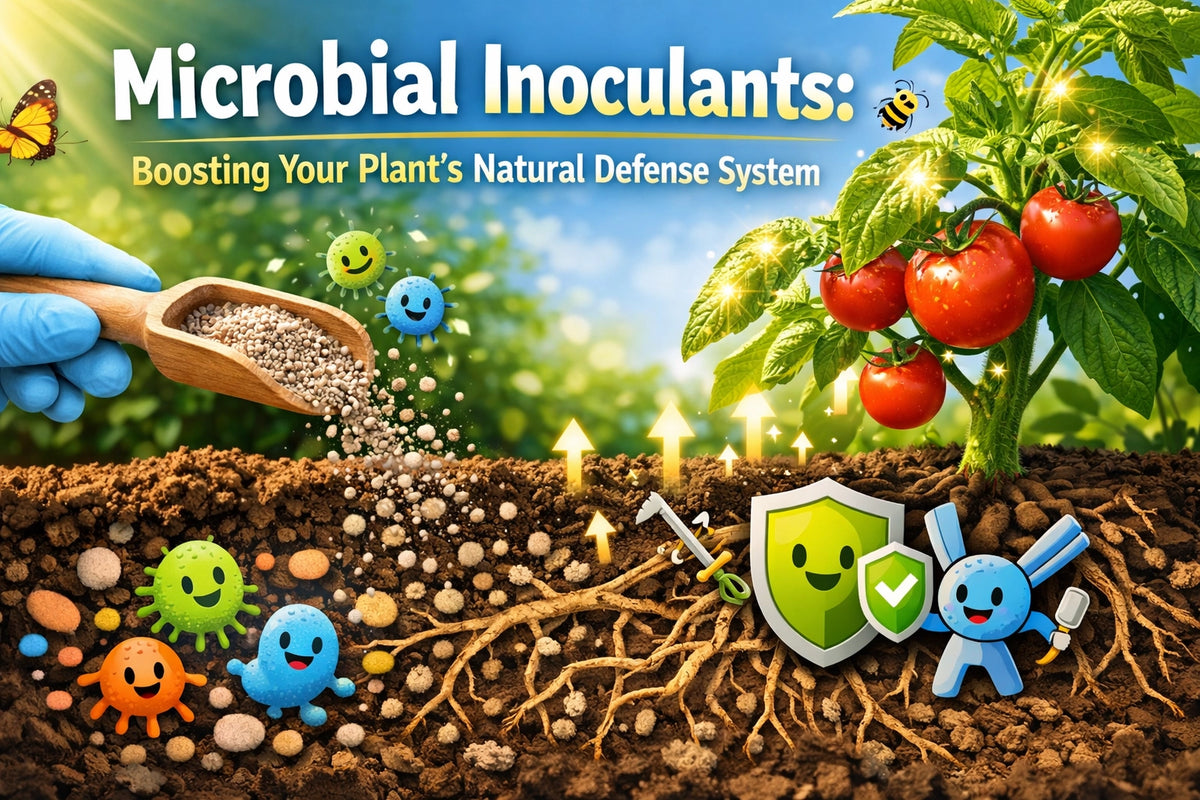
When we think about plant health, most growers immediately jump to N-P-K ratios, pH levels, and light intensity. While those are definitely the "Big Three," there is an invisible workforce happening beneath the soil surface that can make or break your harvest. We are talking about microbial inoculants.
Think of your garden’s soil or hydroponic reservoir like the human gut. Just as we take probiotics to keep our digestive and immune systems in check, plants rely on a massive community of beneficial bacteria and fungi to thrive. These aren't just "additives" for growth; they are the frontline soldiers of your plant’s natural defense system.
The fact of the matter is, if you aren't using microbial inoculants, you’re essentially leaving your plants' "immune systems" untrained and vulnerable to every pathogen that floats through your grow room.
What Exactly Are Microbial Inoculants?
In simple terms, microbial inoculants are specialized products containing living microorganisms, like beneficial bacteria and fungi, that are added to the soil or growing medium. Once they hit the root zone (the rhizosphere), they go to work.
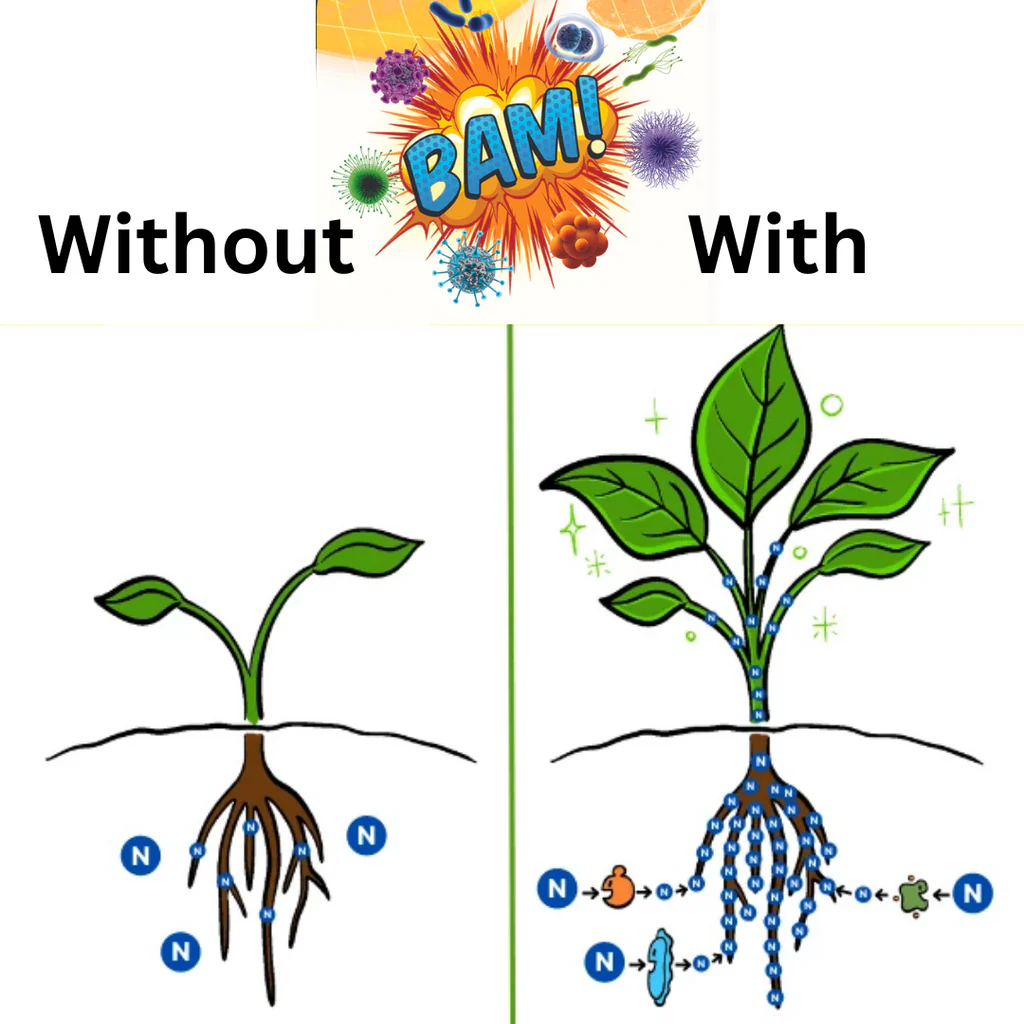
Some fix nitrogen from the air, some break down locked-up minerals into "bite-sized" pieces for the roots, and, most importantly for this discussion, some act as bodyguards. By colonizing the root system, these microbes create a biological shield that prevents harmful pathogens like Pythium (root rot), Fusarium, and powdery mildew from taking hold.
How Microbes Activate "Plant Immunity"
One of the coolest things about beneficial microbes is that they don't just sit there. They actually "talk" to the plant. This communication triggers a process called Induced Systemic Resistance (ISR).
Think of ISR like a vaccination or a high-intensity workout for your plant. When beneficial microbes like Bacillus or Trichoderma colonize the roots, they stimulate hormonal signaling pathways inside the plant. These pathways involve jasmonic acid and ethylene, the chemical signals that tell a plant, "Hey, get ready to fight!"
The Benefits of ISR:
- Heightened Readiness: Because the plant's immune system is already "primed" by the beneficial microbes, it reacts much faster if a real pathogen attacks.
- Antioxidant Production: Microbes help plants produce enzymes that neutralize oxidative stress caused by heat, drought, or infection.
- Physical Fortification: Believe it or not, some microbes actually signal the plant to thicken its cell walls by depositing lignin and callose. This makes the plant physically harder for a fungus or insect to bite into or penetrate.
Research has shown that this combined effect can lead to a 25-40% reduction in disease incidence and a 30-50% reduction in disease severity. Those are massive numbers when you're looking at the potential loss of a high-value crop.
Direct Biocontrol: The "House is Full" Strategy
Microbes also protect your plants through a much simpler method: competitive exclusion. In nature, every inch of space and every molecule of food is a resource. If the root zone is already packed with "good guys," there’s simply no room or food left for the "bad guys."
- Resource Depletion: Beneficial microbes are extremely efficient at eating carbon and nitrogen. They gobble up the nutrients that harmful pathogens need to survive and multiply.
- Antibiosis: Some microbes are essentially chemical warfare experts. For instance, Trichoderma harzianum produces volatile antibiotics that can inhibit wood rots and fungal pathogens by up to 60%. They literally poison the competition.
- Mycelial Colonization: Beneficial fungi grow faster than many pathogens. They wrap around the roots in a protective web, creating a physical barrier that pathogens can’t get through.
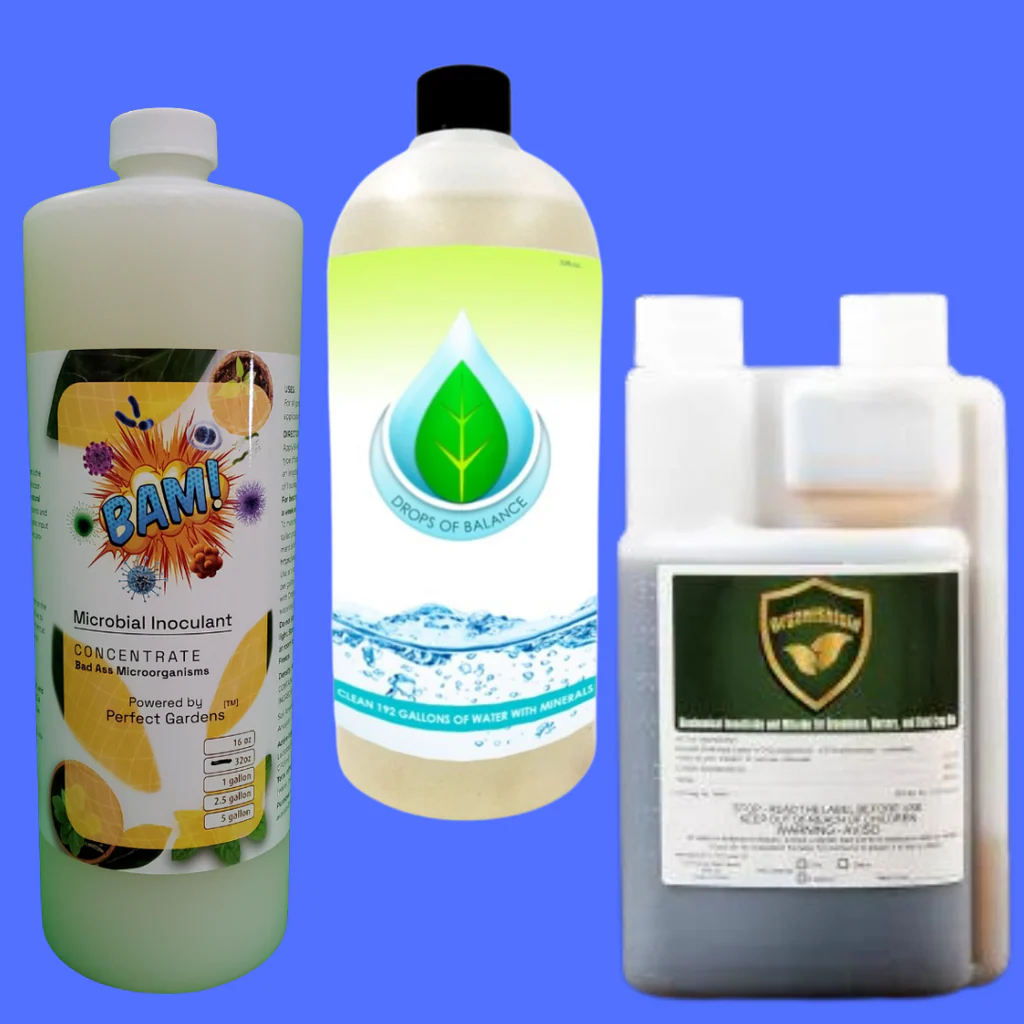
Meet the All-Stars: Mykos, Azos, and BAM!
If you’re looking to get started, you don't need a PhD in microbiology. You just need the right strains. At Perfect Gardens, we’ve seen the best results from a few specific powerhouses:
Mycorrhizae (The Root Expanders)
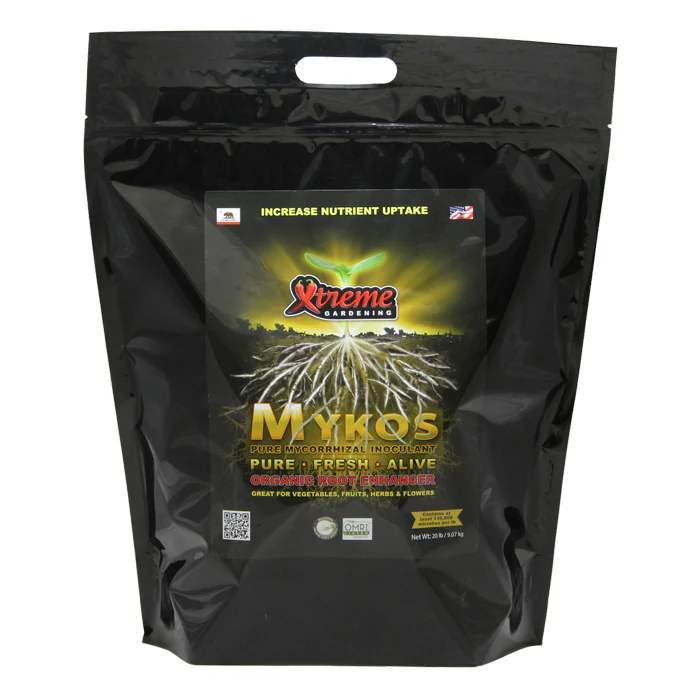
Mycorrhizal fungi, like those found in Xtreme Gardening Mykos, form a symbiotic relationship with plant roots. They extend far beyond the reach of the actual roots, bringing back water and phosphorus that the plant couldn't reach on its own. In exchange, the plant gives the fungi sugars. It’s a win-win that results in a massive root system.
Nitrogen-Fixing Bacteria
Bacteria like those in Azos take nitrogen from the air and convert it into a form the plant can use immediately. This is especially helpful during the vegetative stage when nitrogen demand is at its peak.
BAM! (Beneficial Adaptive Microbes)
BAM! is our go-to for a "complete" microbial community. It’s a proprietary blend designed to dominate the rhizosphere and keep the root zone clean and healthy, especially in hydroponic systems where things can go south quickly if the water gets too warm.
Feeding Your Microbes: The Molasses Secret
It’s important to remember that these microbes are living organisms. They need to eat! While they do get some sugars from the plant, supplementing them with a clean carbohydrate source can send their population numbers into overdrive.
This is where RAW Cane Molasses comes in. Adding a bit of molasses to your feeding schedule provides the "fuel" these bacteria need to multiply rapidly. If you’re brewing a compost tea, molasses is an absolute requirement to get that frothy, microbe-rich foam.

How to Apply Inoculants Effectively
Adding microbes isn't difficult, but there are a few "pro tips" to make sure you aren't wasting your money.
- Apply Early: The best time to inoculate is at the very beginning: during the seedling or cloning stage. Using biodegradable seed starting plugs dusted with Mykos ensures the microbes are there from day one.
- Watch the Chlorine: Tap water often contains chlorine or chloramine designed to kill bacteria. If you’re using microbes, you’ll want to use a water conditioner or let your water sit out so the chlorine can evaporate. Otherwise, you’re killing the very microbes you just paid for.
- Consistency is Key: While many fungi will stay with the plant for its entire life, bacteria populations can fluctuate. Re-applying every week or two (especially after a heavy nutrient flush) keeps the defense system strong.
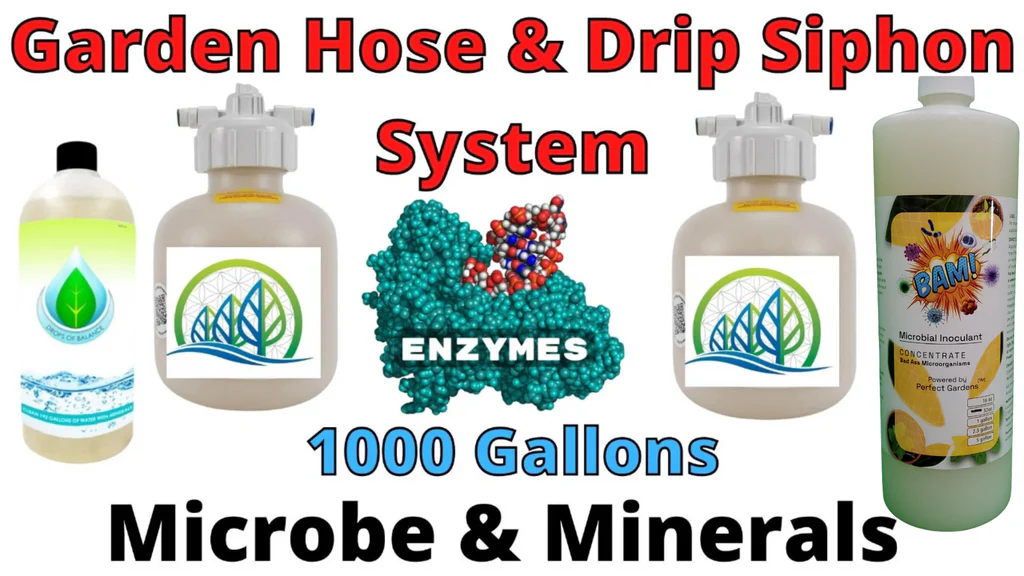
- Use a Siphon System for Large Gardens: If you have a lot of plants, hand-watering microbes can be a chore. Using something like the Perfect Gardens Garden Hose & Drip Siphon System allows you to deliver microbes and minerals effortlessly across your entire garden.
Integrating Microbes into Your Pest Management
Microbial inoculants should be your first line of defense, but they work best when part of a larger strategy. They integrate perfectly with organic pest management tools like OrganiShield, which handles the "above ground" issues while the microbes handle the "below ground" security.
When your plants are "systemically primed" through ISR, they are much more resilient to the stresses of insect attacks. An insect bite on a "primed" plant triggers a much more aggressive chemical response than a bite on a plant that has lived its life in a sterile environment.
Common Misconceptions and Pitfalls
It’s not all sunshine and rainbows; there are a few things to watch out for:
- Over-Feeding: Microbes can actually die if the salt concentration (PPM/EC) in your soil gets too high. If you are using heavy synthetic nutrients, be careful not to "burn" your microbial colony.
- Shelf Life: These are living things. Always check the expiration dates on your inoculants. Storing them in a cool, dark place is essential to keeping them alive.
- Sterile vs. Organic: If you are running a completely sterile hydroponic system using hydrogen peroxide or bleach, you cannot use microbes. The sterile agents will kill the beneficial bacteria instantly. You have to pick a side: go sterile or go biological. In our experience, the biological route offers much more "room for error" and a better final product flavor profile.
Final Thoughts: Building a Resilient Garden
At the end of the day, gardening is about more than just pouring chemicals into a pot. It’s about managing an ecosystem. By introducing microbial inoculants, you are hiring a 24/7 security team for your plants. You’ll see better nutrient uptake, faster growth, and most importantly, a garden that can defend itself against the unexpected.
If you're not sure which microbes are right for your specific setup: whether you're growing in soil, coco, or a full hydroponic rig: reach out to us! You can check out our Grow Help Videos for deep dives on application, or contact us directly to talk shop.
Ready to supercharge your roots? Start with a solid Microbial Inoculant Kit and watch your plants transform from "surviving" to "thriving."


Leave a comment
This site is protected by hCaptcha and the hCaptcha Privacy Policy and Terms of Service apply.