
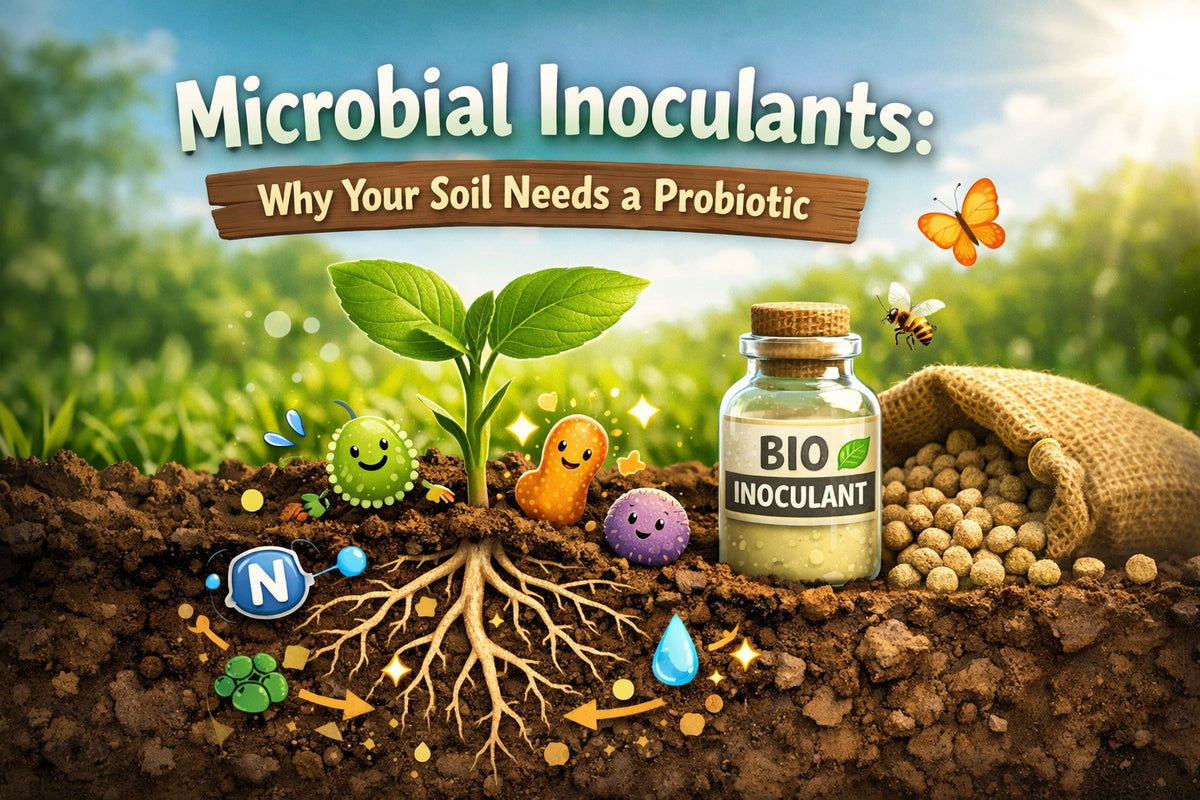
If you have ever taken a probiotic supplement to settle your stomach or boost your immune system, you already understand the basic principle behind a microbial inoculant. Just as the human gut relies on a diverse community of "good" bacteria to process nutrients and fight off pathogens, your plants rely on a complex ecosystem of microorganisms in the root zone to thrive.
In the world of high-performance gardening, we often focus on the N-P-K (Nitrogen, Phosphorus, and Potassium) numbers on the back of a bottle. While those minerals are essential, they are only half the story. Without a healthy population of beneficial microbes, your plants are essentially sitting at a buffet with their hands tied behind their backs.
In this guide, we are going to dive deep into what microbial inoculants are, how they function at a scientific level, and why adding them to your nutrients regimen is the single most effective way to transform your garden from average to extraordinary.
What is a Microbial Inoculant?
A microbial inoculant is a concentrated amendment containing beneficial microorganisms, primarily bacteria and fungi, that are introduced to the soil or growing medium. Unlike a fertilizer, which provides direct food for the plant, an inoculant provides the "workforce" that processes that food.
Think of your soil or coco coir as a biological engine. The nutrients are the fuel, but the microbes are the spark plugs and the pistons. Without them, the fuel just sits there, or worse, it leaches away and goes to waste.
The Two Main Players: Bacteria and Fungi
Most high-quality inoculants, such as BAM! Microbial Inoculant, focus on two primary types of life:
- Plant Growth-Promoting Rhizobacteria (PGPR): These are specialized bacteria that colonize the "rhizosphere" (the area of soil immediately surrounding the roots). They fix nitrogen, solubilize phosphorus, and produce plant growth hormones.
- Mycorrhizal Fungi: These fungi form a symbiotic relationship with plant roots. They physically attach to the root system and grow long, microscopic threads called hyphae, effectively increasing the surface area of the roots by hundreds of times.
Unlocking Hidden Nutrients: The Bioavailability Factor
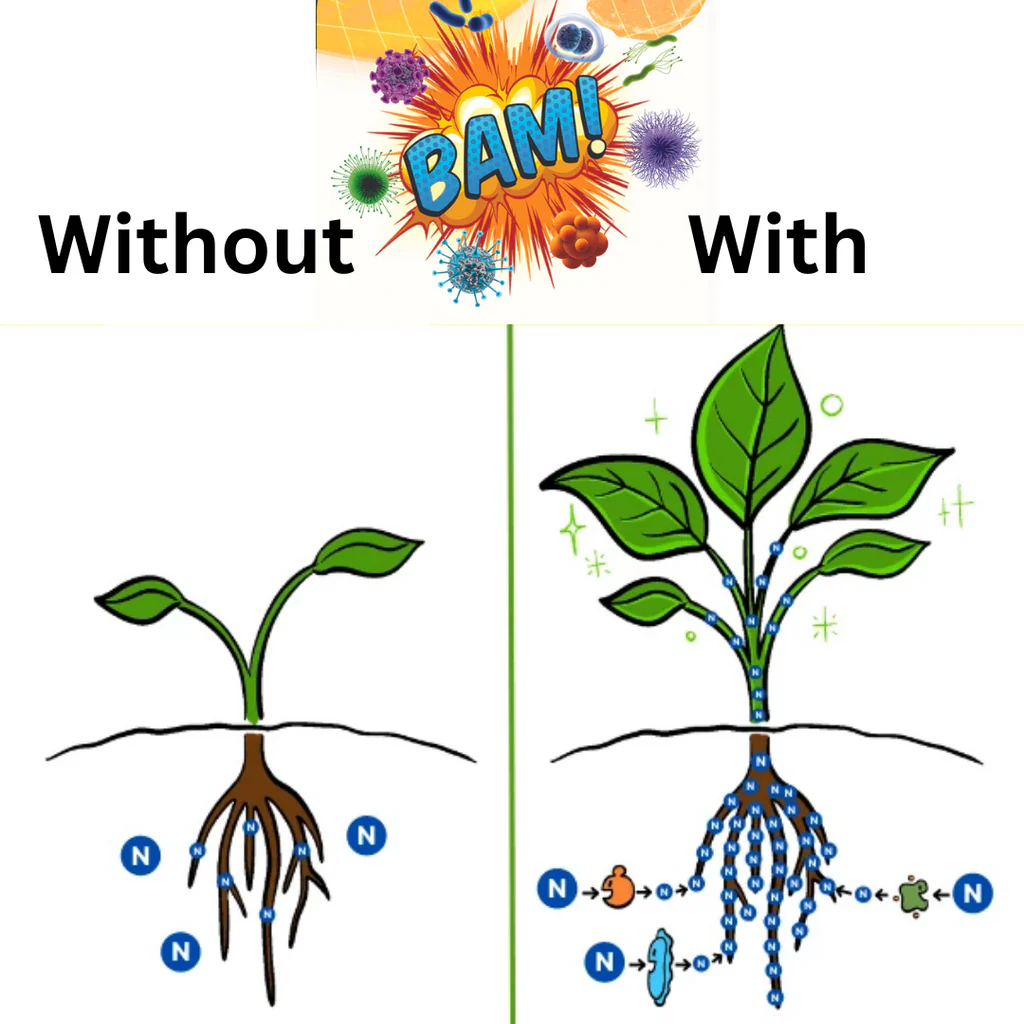
One of the most common misconceptions in gardening is that if you put nutrients in the soil, the plant will naturally eat them. The reality is much more complicated. Many minerals, especially phosphorus, tend to "lock up" in the soil, forming chemical bonds that make them insoluble and unavailable to the plant.
Research shows that using a microbial inoculant can improve phosphorus availability by 20% to 40%. These microbes secrete organic acids that dissolve the bonds holding minerals captive, "digesting" them so the plant can finally absorb them.
Nitrogen Fixation: Free Fertilizer from Thin Air
Nitrogen is the primary driver of vegetative growth. While the atmosphere is 78% nitrogen, plants cannot breathe it in through their leaves. They need it in the soil. Specific microbes, like those found in Xtreme Gardening Azos, have the incredible ability to take atmospheric nitrogen and convert it into a form the plant can use. It is essentially like having a mini fertilizer factory living inside your root zone.
Building the "Super Root" with Mycorrhizae
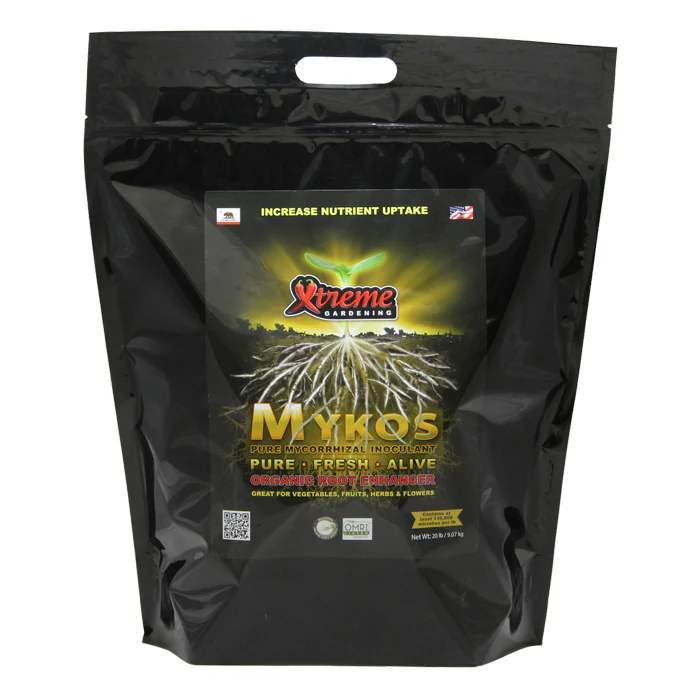
If you want massive yields, you need massive roots. However, a plant can only grow so many roots on its own. This is where products like Xtreme Gardening Mykos come into play.
Mycorrhizal fungi are the ultimate survival partners. In exchange for a small amount of sugar (glucose) produced by the plant during photosynthesis, the fungi provide the plant with water and minerals they’ve collected from far beyond the reach of the plant’s own roots.
Benefits of Mycorrhizal Colonization:
- Drought Resistance: The fungal hyphae can reach into microscopic pores in the soil to find water that roots cannot touch.
- Enhanced Phosphorus Uptake: Fungi are experts at mining phosphorus, which is critical for flower and fruit development.
- Transplant Success: Using an inoculant during propagation or transplanting significantly reduces "transplant shock" by ensuring the root system stays active and supported.
Disease Suppression: The Best Defense is a Good Offense
Soil-borne diseases like Pythium (root rot) and Fusarium are a nightmare for any grower. While you can use harsh chemicals to sterilize your medium, you often end up killing the good microbes along with the bad, leaving your plant vulnerable to the next wave of pathogens.
Microbial inoculants work through a process called competitive exclusion. By saturating the root zone with billions of beneficial microbes, you leave no "real estate" or food available for the bad bacteria and fungi. It is a biological shield. Furthermore, many beneficial bacteria produce natural antibiotics that actively kill off harmful pathogens.
Feeding the Workforce: The Role of Carbohydrates
Microbes are living creatures, and they need energy to do their jobs. While they get some energy from the plant, supplementing their diet can lead to an explosion in microbial activity.
This is why many experienced growers use products like RAW Cane Molasses. Molasses is a dense source of carbon and complex sugars that acts as a "prebiotic." When you add molasses to your hydroponics reservoir or soil drench, you are essentially feeding the microbes, allowing them to multiply at an exponential rate.

Why Modern Soils Need Inoculants
You might wonder, "Don't these microbes exist in nature?" In a perfect, untouched forest floor, yes. However, most gardening environments are far from natural.
- Synthetic Fertilizers: High concentrations of synthetic salts can actually dehydrate and kill soil microbes over time.
- Tilling and Disturbance: Physically turning the soil breaks up the delicate fungal networks (mycelium) that take weeks or months to build.
- Sterilized Media: If you are growing in coco coir, rockwool, or a high-quality peat mix, the medium is often sterilized to ensure it’s free of pests. This means it is a "blank slate" with zero biological activity.
- Chlorinated Water: The chlorine in municipal tap water is designed to kill bacteria. If you water your garden straight from the tap, you are likely suppressing your soil’s natural microbiome.
By regularly applying a microbial inoculant, you are performing a "re-wilding" of your root zone, ensuring the biology stays diverse and resilient regardless of the environmental stressors.
How to Apply Microbial Inoculants for Best Results
Using these products isn't difficult, but there are a few "pro-tips" to ensure you get your money's worth.
1. Start Early
The best time to inoculate is at the very beginning. When starting seeds or taking cuttings in seedling trays, dusting the roots or the media with an inoculant ensures the plant is protected from day one.
2. Brew a Compost Tea
If you want to maximize the "population boom," consider using a Vortex Brewer. By aerating a mixture of water, microbial inoculants, and a food source (like molasses or kelp), you can turn a small amount of product into a concentrated "tea" containing trillions of active microbes.
3. Consistency is Key
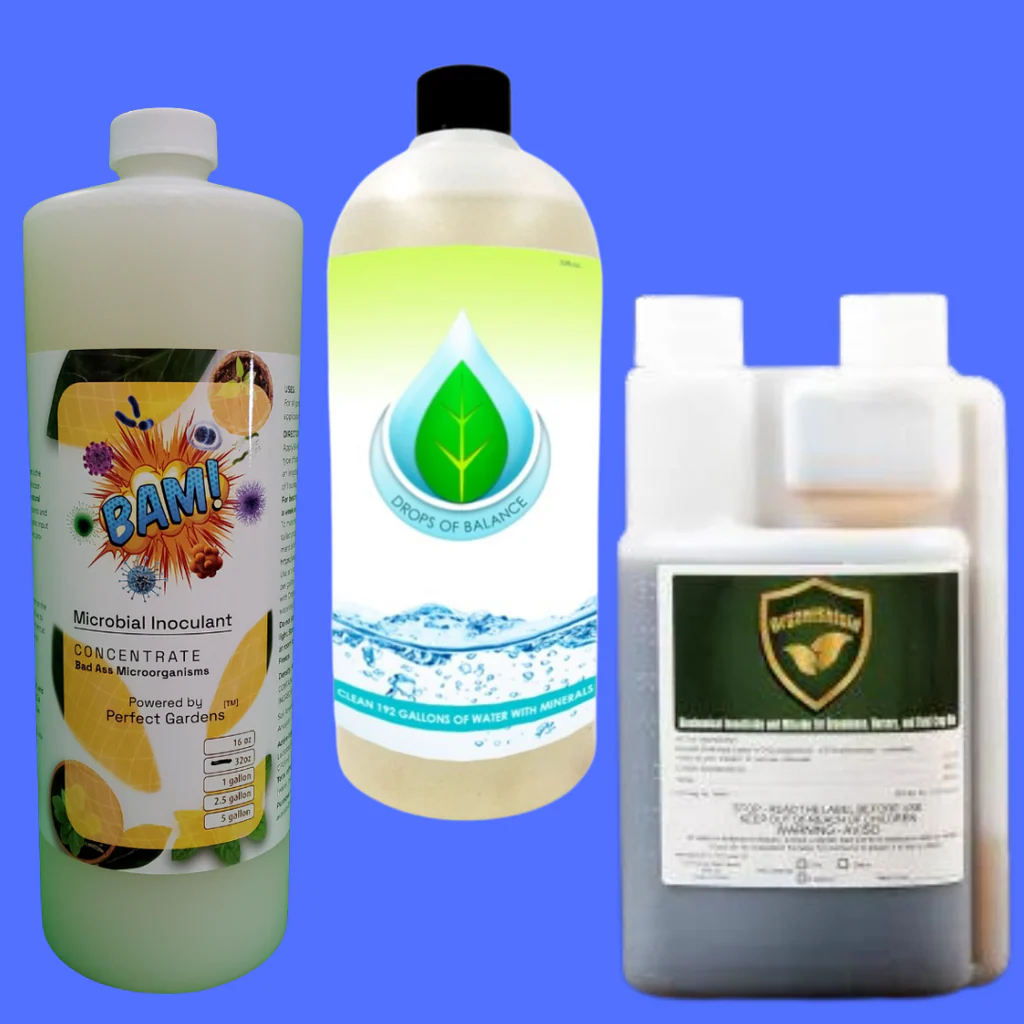
Microbial populations fluctuate. Over-watering, temperature swings, or pH imbalances can cause die-offs. We recommend applying a maintenance dose of a product like BAM! every 2-4 weeks to keep the colony strong.
4. Watch Your pH
Most beneficial microbes prefer a pH range between 5.5 and 7.0. If your reservoir or soil becomes too acidic or too alkaline, the microbes will go dormant or die. Always check your pH after adding inoculants and nutrients to ensure a healthy environment.
Caution: What to Avoid
While microbial inoculants are generally very safe, there are a few pitfalls to be aware of:
- Avoid Hydrogen Peroxide: Many growers use H2O2 to add oxygen to their reservoirs or kill root rot. However, hydrogen peroxide is a broad-spectrum sterilizer. It will kill your beneficial microbes just as fast as the bad ones. If you must use H2O2, wait at least 24-48 hours before re-inoculating.
- Don't Over-Feed Sugars: While molasses is great, too much sugar in a reservoir can lead to a "bacterial bloom" that consumes all the dissolved oxygen, potentially suffocating your roots. Use sugars sparingly in pure hydroponic systems.
- Storage Matters: These are living products. Keep your inoculants in a cool, dark, and dry place. High heat or direct sunlight can kill the dormant spores before they ever reach your garden.
The Bottom Line
Adding a microbial inoculant to your garden is about more than just yield; it's about plant health and sustainability. By fostering a living soil environment, you reduce the need for heavy chemical intervention, improve your plant's ability to handle stress, and ultimately produce a higher quality harvest with better flavor and aroma profiles.
Whether you are a traditional soil gardener or a dedicated hydroponic enthusiast, the "probiotics" of the plant world are an investment that pays for itself in vigor, growth speed, and peace of mind.
Ready to bring your soil back to life? Check out our full range of microbial and nutrient packages to find the perfect blend for your specific setup.


Leave a comment
This site is protected by hCaptcha and the hCaptcha Privacy Policy and Terms of Service apply.