

If you’ve been hanging around the gardening world for more than five minutes, you’ve probably heard people raving about "mycorrhizae." It sounds like a complex scientific term, and it is, but the concept is actually pretty simple. In fact, it’s one of the oldest partnerships on Earth.
The fact of the matter is, if you’re looking to take your garden from "okay" to "explosive," understanding how to use mycorrhizae for plants is your secret weapon. Whether you’re a soil purist or a hydroponic enthusiast, adding a high-quality microbial inoculant to your routine can be the difference between a struggling seedling and a record-breaking harvest.
What Exactly is Mycorrhizae?
In plain English, mycorrhizae (pronounced my-cor-ri-zee) are beneficial fungi that live in a symbiotic relationship with your plant’s roots. The word itself literally translates to "fungus-root."
Think of it as a business deal:
- The Plant produces sugars through photosynthesis and shares those sugars with the fungi.
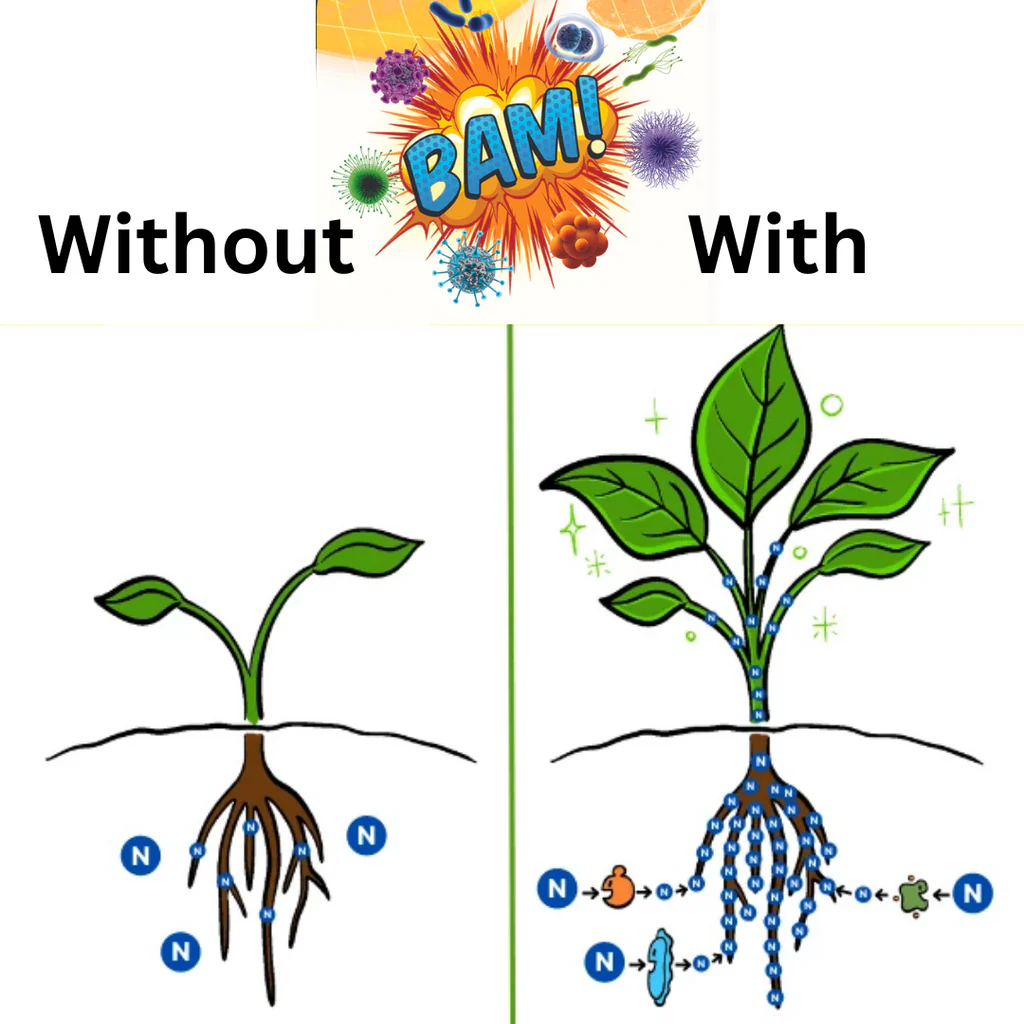
- The Fungi grow a massive web of tiny filaments (called hyphae) that act like an extension of the plant's root system. These filaments go places the roots can't reach, bringing back water and nutrients like phosphorus and nitrogen to the plant.
It’s a win-win. The fungi get a meal, and the plant gets a massive boost in its ability to eat and drink. When you use a microbial inoculant, you are essentially introducing these "hired workers" into your growing medium to start building this infrastructure.
Why Should You Use a Microbial Inoculant?
You might be thinking, "Mark, my plants look fine. Why do I need to add more stuff to my dirt?"
The reality is that most bagged soils and almost all hydroponic setups are sterile. They lack the natural biology found in healthy, ancient forest floors. By adding microbial inoculants, you’re restoring that natural balance. Here are the main benefits:
- Massive Root Surface Area: Mycorrhizal hyphae can increase the surface area of your root system by 10 to 1,000 times.
- Better Nutrient Uptake: They are specifically great at mining phosphorus, a key element for flower and fruit production.
- Drought Resistance: Because the fungal web is so extensive, it can find moisture in tiny soil pores that the plant’s thick roots would completely miss.
- Disease Defense: These beneficial fungi literally take up space around the roots, making it harder for "bad" fungi (like root rot) to get a foothold.
The Two Main Types: Endo vs. Ecto
When shopping for mycorrhizae for plants, you’ll see two names: Endomycorrhizae and Ectomycorrhizae. Don't let the jargon scare you.
- Endomycorrhizae: These are the ones you probably want. They actually penetrate the root cells. They work with about 85-90% of all plants, including almost all vegetables, herbs, flowers, and fruit trees.
- Ectomycorrhizae: These stay on the outside of the roots. They primarily partner with hardwood trees (like oaks and pines). Unless you’re starting a forest, you’re looking for "Endo."
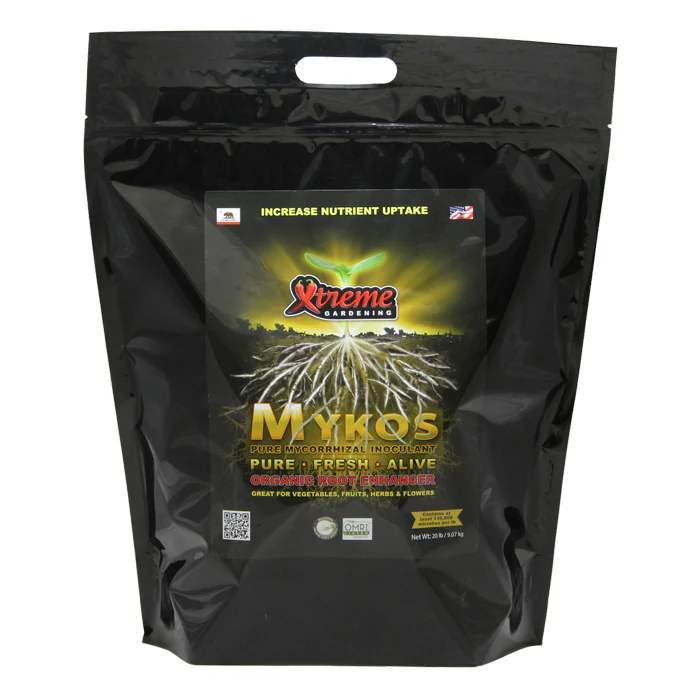
Most high-quality products, like Xtreme Gardening Mykos, focus heavily on the Endomycorrhizae strains that provide the most bang for your buck in a home garden.
How to Apply Mycorrhizae (The Right Way)
The most important rule for using a microbial inoculant is direct root contact. If you just sprinkle it on top of your soil like salt on a steak, you’re wasting your money. The spores need to touch the roots to "wake up" and start the colonization process.
1. The Planting Hole Method (Best for Transplants)
When you’re moving a plant into a larger pot or the ground, sprinkle your granular mycorrhizae directly into the hole. Then, set the plant right on top of it. You want those roots sitting directly on the powder.
2. Seed Coating
If you’re starting from scratch, you can dust your seeds with the powder or roll them in it before planting. This ensures the very first root that pops out of the seed is immediately colonized. For clones, using something like seed starting plugs in combination with an inoculant can give your "babies" a massive head start.
3. The Root Drench (For Established Plants)
If your plant is already in the ground and you forgot to add mycorrhizae, don't worry. You can use a soluble version. Mix it with water and pour it around the base of the plant. However, keep in mind that this is less efficient than the planting hole method.
Taking it Further: BAM! and Microbial Synergy
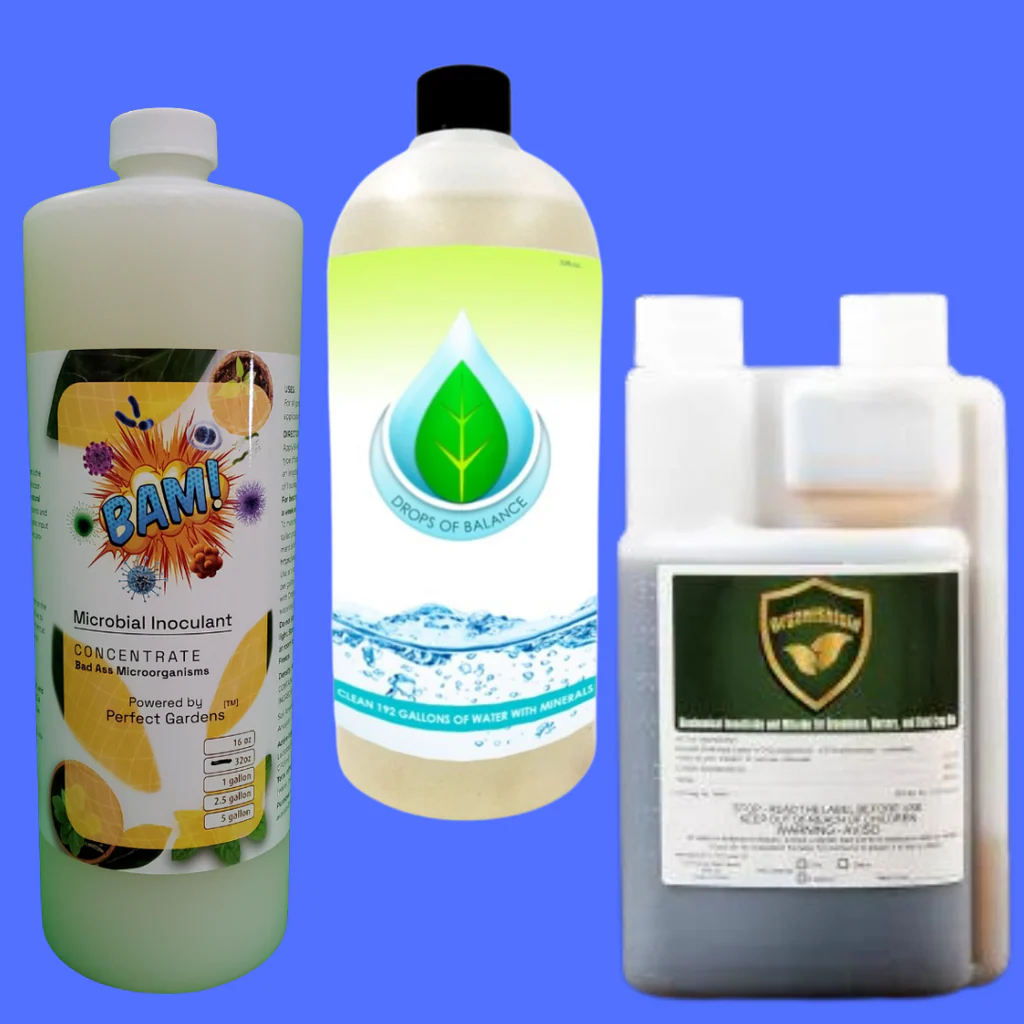
While mycorrhizae handle the heavy lifting for phosphorus and water, they aren't the only beneficial "bugs" in the game. To get a truly professional result, many growers use a full-spectrum microbial inoculant like BAM!.
BAM! (Beneficial Aerobic Microorganisms) works alongside mycorrhizae to break down organic matter in the soil and turn it into plant-available food. It's like having a team of chefs (BAM!) preparing the food and a delivery service (Mycorrhizae) bringing it to the plant’s front door.
Common Mistakes to Avoid (Caution Section)
It seems straightforward, but I’ve seen people kill their beneficial microbes before they even get a chance to work. Here’s what to watch out for:
- Chlorinated Water: Most city water is treated with chlorine to kill bacteria and fungi. Guess what? It kills your expensive inoculants too. If you’re using tap water, let it sit out for 24 hours to off-gas the chlorine, or use a product like Drops of Balance to mineralize and treat the water first.
- High Phosphorus Fertilizers: If you blast your plants with high-synthetic phosphorus, the plant becomes "lazy." It won't feel the need to feed the fungi because it’s being force-fed. This can cause the mycorrhizal colony to die off.
- Fungicides: This should be obvious, but don't apply a soil fungicide if you’re trying to grow beneficial fungi. You’ll be wiping out the good guys along with the bad.
- The "Non-Believers": Not all plants like mycorrhizae. Specifically, the Brassica family (broccoli, cabbage, kale) and the Ericaceous family (blueberries, azaleas) generally don't form these relationships. Don't waste your product on them.

Boosting Your Microbes with Molasses
Once you’ve introduced these microbes, you need to keep them happy. Microbes love simple carbohydrates. Adding a bit of RAW Cane Molasses to your feeding schedule acts like a "pre-workout" for your soil biology. It provides an immediate energy source that helps the microbial colony bloom and stay active.

Is it Worth the Investment?
The short answer is: Yes.
The fact of the matter is that mycorrhizae for plants represent one of the highest returns on investment in gardening. For a few dollars per plant, you get a more resilient, higher-yielding, and healthier garden.
It seems more like an insurance policy for your plants. If you miss a watering day, the mycorrhizae help the plant survive the stress. If your soil pH gets a little wonky, the microbes help buffer the roots. It’s about creating a living ecosystem rather than just a plant in a bucket of dirt.
If you’re ready to start but aren't sure which products to grab, I highly recommend looking at a complete microbial kit. These packages are designed to give you everything you need: from the fungi to the food they eat: ensuring you don't miss a step in the process.
Summary Checklist for Success
- Choose the right strain: Look for Endomycorrhizae for 90% of garden plants.
- Contact is Key: Apply directly to the root ball or in the planting hole.
- Watch your water: Avoid chlorine to keep the microbes alive.
- Feed the soil: Use molasses or organic matter to sustain the colony.
- Don't overdo the chemicals: High-salt synthetic fertilizers can hinder the symbiotic relationship.
Gardening is as much about growing soil as it is about growing plants. Master the microbes, and the plants will mostly take care of themselves. If you have questions about which inoculant is right for your specific setup, feel free to reach out to us or check out our blog news section for more deep dives into plant biology. Happy growing!


Leave a comment
This site is protected by hCaptcha and the hCaptcha Privacy Policy and Terms of Service apply.