
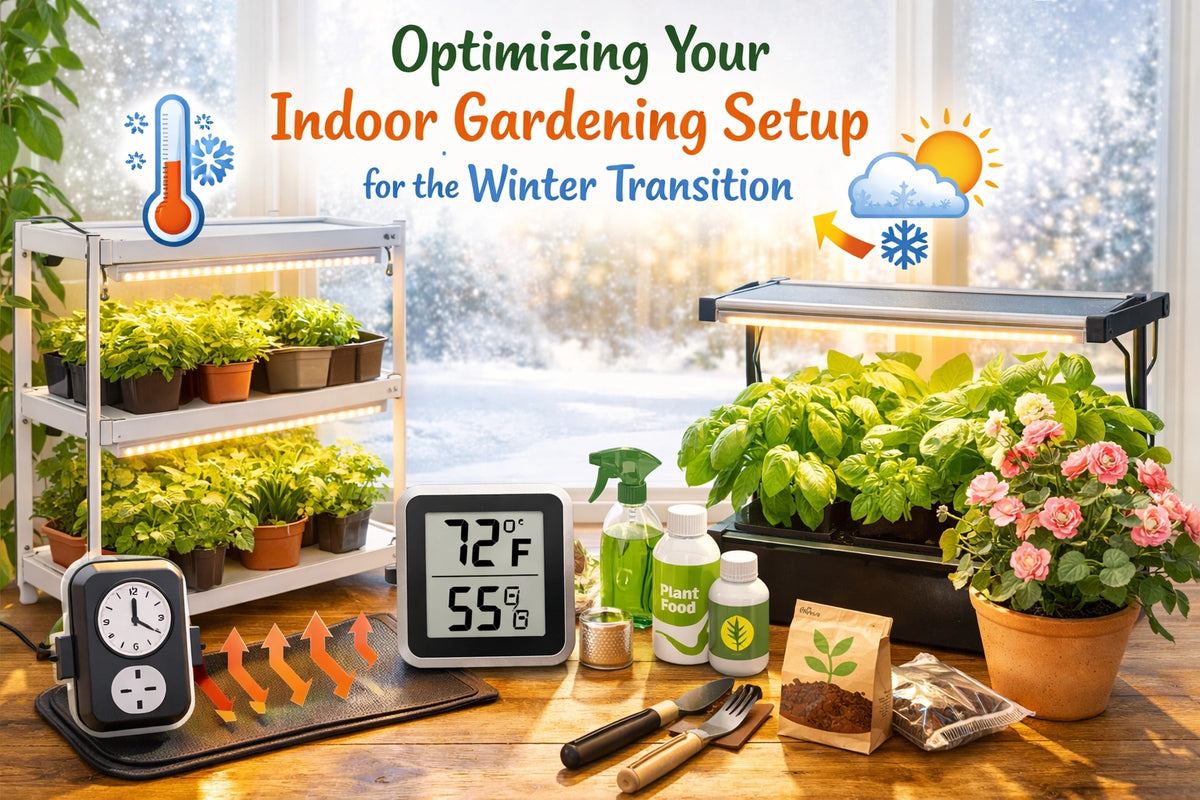
Interactive Guide: Anatomy of a Winter-Ready Grow Room
Before we dive into the technical details, take a look at the hero image above. If you were standing in that room, here are the four key "Hot Spots" you’d need to manage for a successful winter transition:
- The Canopy (Light Intensity): As the sun moves lower in the sky, your indoor lights do 100% of the heavy lifting.
- The Root Zone (Temperature): Cold floors can stall growth. Insulation and heat mats are your best friends here.
- The Air (Humidity): Winter air is notoriously dry. Without a humidifier, your plants will "sweat" too much and stress out.
- The Infrastructure (Enclosure): A high-quality grow tent acts like a thermos, keeping the heat in and the cold out.
As the leaves start to change and the air gets crisp, outdoor gardeners are hanging up their shovels. But for those of us with indoor setups, the real work is just beginning. Transitioning your garden for the winter isn’t just about moving plants inside; it’s about recreating a summer environment in the middle of a blizzard.
The fact of the matter is, most indoor gardens fail in the winter not because of a lack of effort, but because the grower didn't account for the dramatic shift in baseline environmental conditions. Your house changes in the winter: the heater kicks on, the humidity drops to desert levels, and the "free" light from your windows disappears.
Here is how you optimize your setup to ensure your harvest stays heavy all winter long.
1. Lighting: Replacing the Missing Sun
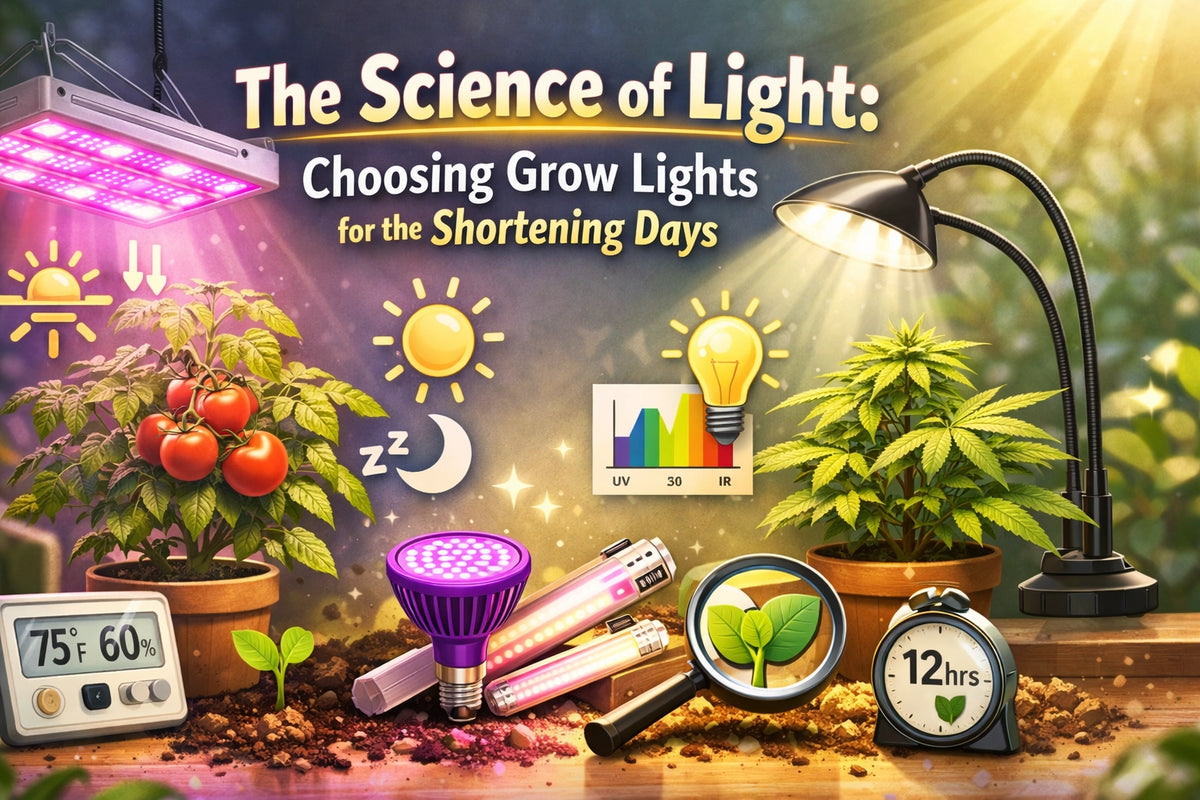
In the summer, even a mediocre indoor light can be supplemented by ambient light from windows. In the winter, that’s gone. Furthermore, the intensity of the light is often lower during the shorter days.
If you want to keep your plants in a vegetative state or push them through a heavy flowering cycle, you need high-output lighting. LED technology has reached a point where it’s the only logical choice for winter growing. Why? Because while LEDs run cooler than old-school HPS bulbs, they allow you to control the "micro-climate" of your tent much better.
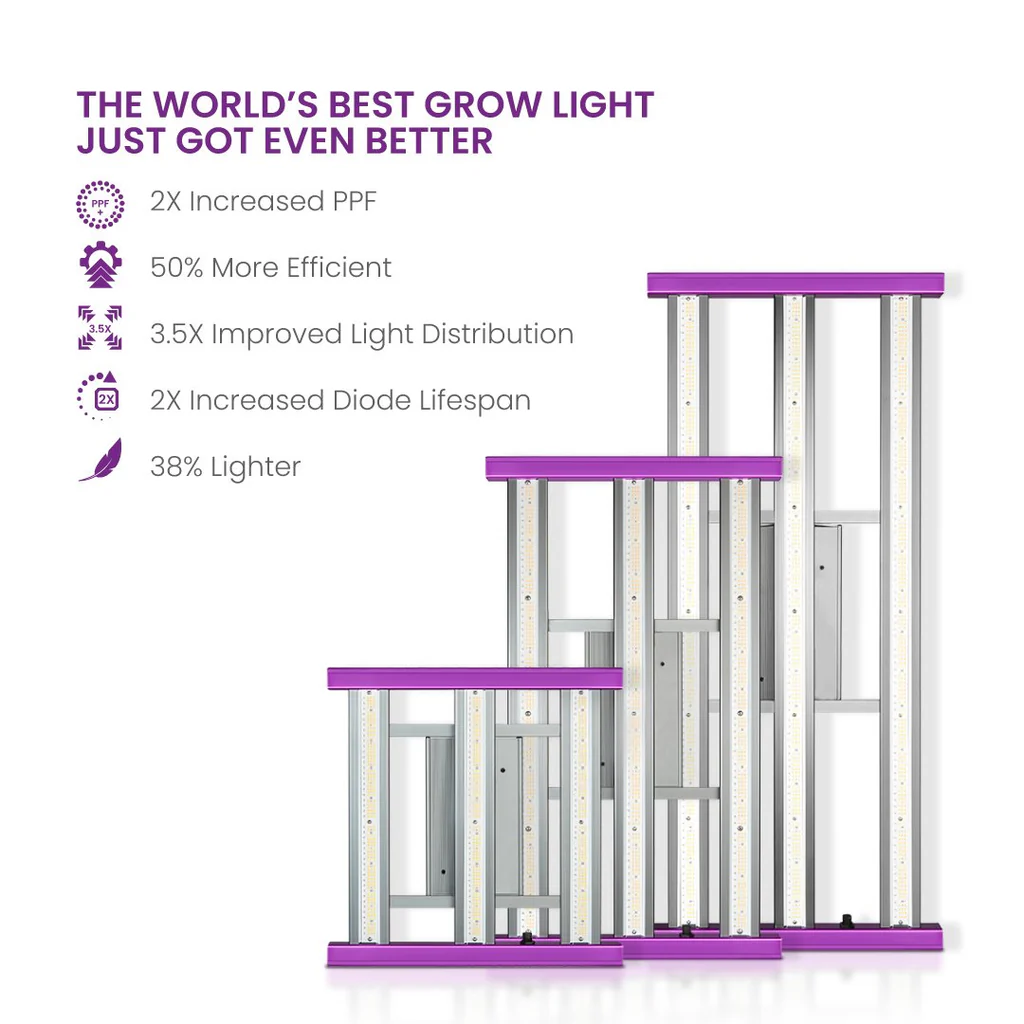
When selecting LED lights, look for fixtures that offer full-spectrum coverage. Systems like the KIND LED Grow Lights are particularly effective because they provide the specific wavelengths plants crave when the natural sun is unavailable.
Pro Tip: During winter, keep your lights on for 12 to 14 hours for flowering and up to 18 hours for vegetative growth. Because the outside air is colder, you can often run your lights at higher intensities without worrying about heat stress, which is a rare "winter win" for indoor growers.
2. Temperature Management: The "Cold Floor" Trap
One of the most common mistakes I see involves temperature. It seems more like a minor detail, but the temperature of your nutrient solution and your root zone dictates how fast your plants grow.
In many homes, grow tents are kept in basements or spare rooms. In the winter, the floor temperature can drop into the 50s (°F). If your pots are sitting directly on a cold concrete floor, the roots will chill, and nutrient uptake will ground to a halt. This is often mistaken for a nutrient deficiency, but it’s actually just "cold feet."
How to fix it:
- Elevate your pots: Use pallets or plant stands to get your containers off the cold floor.
- Insulation: Line the bottom of your tent with black and white panda film or foam board.
- Heat Mats: For propagation and young clones, a heat mat is non-negotiable. Seeds won't germinate efficiently if the medium is below 70°F.
Caution: Avoid placing your plants directly in front of heating vents. The hot, dry air coming out of a furnace will "flash-dry" the leaves, leading to crispy edges and pest problems like spider mites.
3. Humidity: Fighting the "Winter Sahara"
Indoor heating systems are notorious for stripping moisture out of the air. While high humidity is the enemy in the summer (mold risk), low humidity is the winter killer.
Most plants prefer a relative humidity (RH) between 40% and 60%. In a heated house during January, the RH can easily drop to 15%. When the air is that dry, plants transpire (breathe) too quickly. They pull up water from the roots at an accelerated rate to keep the leaves hydrated, but they leave the nutrients behind in the soil. This leads to a "salt buildup" in the medium, which eventually causes nutrient lockout.
Optimizing the Air:
- Group your plants: Plants naturally release moisture. Keeping them closer together creates a small, humid micro-climate.
- Use a Humidifier: Connect a humidifier to one of our controllers to automate the process.
- Seal the Space: Ensure your grow tent is properly zipped. A sealed environment is much easier to humidify than an open room.

4. Nutrient Adjustments and Microbial Life
It’s a common misconception that you should feed your plants more in the winter because "they need the energy." This is not the case.
Because growth naturally slows down slightly in response to the cooler ambient temperatures, plants often require less frequent watering and a slightly leaner nutrient profile. Overwatering is the #1 cause of root rot during the winter transition. Always check that the top two inches of soil are dry before reaching for the watering can.
However, while you might scale back on the N-P-K, you should double down on biologicals. In a colder environment, the natural microbial activity in the soil can slow down. By introducing beneficial microbes, you ensure that even if the metabolism is slower, the nutrient delivery is efficient.
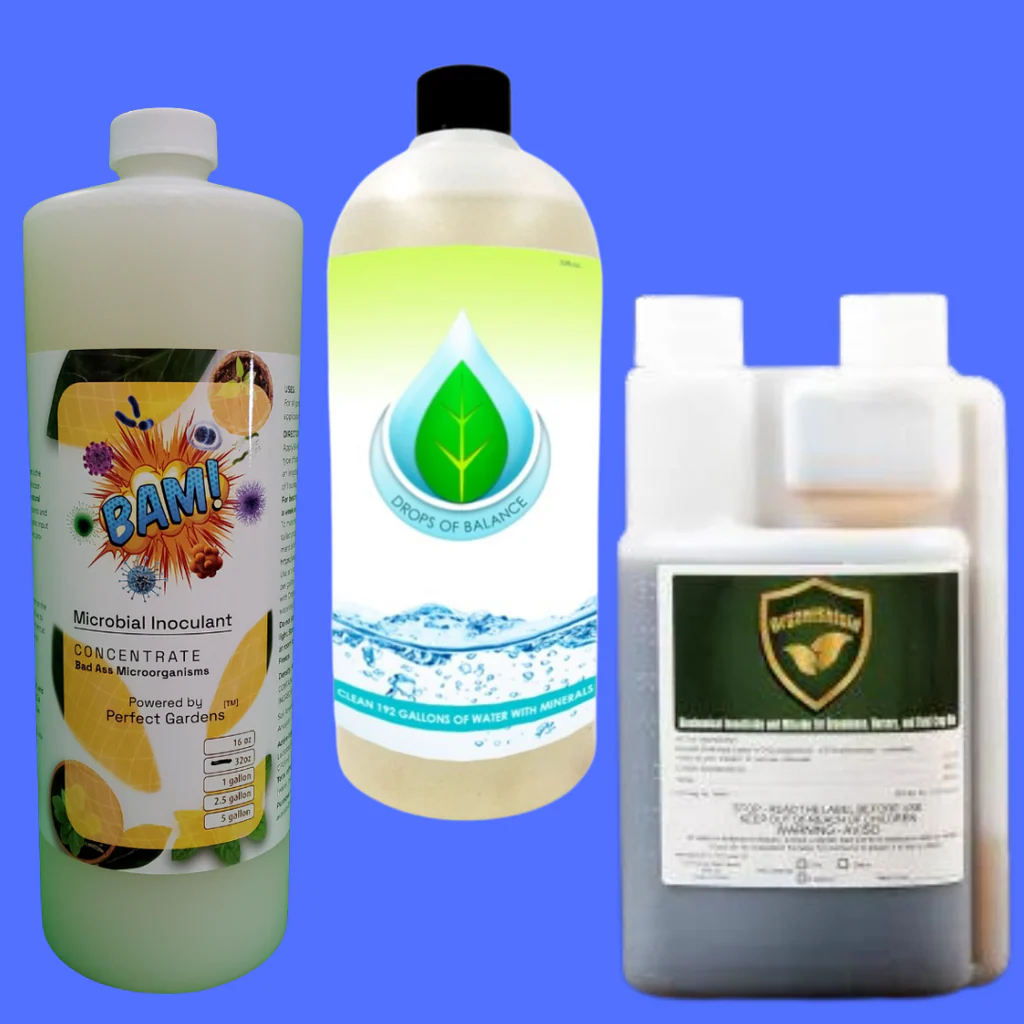
Using something like BAM! Microbial Inoculant helps maintain a vibrant "living" root zone. These microbes act like a warm blanket for your roots, protecting them from pathogens and helping the plant stay resilient against temperature fluctuations.
5. Automation: Your Secret Weapon
Winter is a time of holidays, travel, and sometimes, the occasional power outage. If you aren't around to manage the dry air or the watering schedule, your garden can go from thriving to dead in 48 hours.
This is where hydroponics and automated watering systems shine. A Blumat Automatic Watering System ensures that your plants get exactly the amount of water they need based on the tension in the soil: not a timer.

This is crucial in winter because the "dry-out" rate changes every time your home’s heater cycles on or off. An automated stake reacts to the plant's actual needs, preventing both the "Sahara" dry-out and the "Swamp" overwatering scenarios.
6. The Winter Transition Checklist
To make things easy, here is a quick checklist to run through as you optimize your setup this month:
- Seal the Leaks: Check your tent for light leaks and air drafts. Use tents and film to patch any areas where cold air might be seeping in.
- Clean Your Lights: Dust accumulates faster in the winter due to furnace activity. Wipe down your LEDs to ensure maximum PAR output.
- Water Quality: Cold tap water can shock your roots. Let your water sit out to reach room temperature before feeding, and use Drops of Balance to keep the minerals in check.
- Monitor Daily: Invest in a digital hygrometer that records "Min/Max" temperatures. This tells you how cold it got in the middle of the night when you were asleep.
Summary: Success is in the Stability
The transition to winter gardening doesn't have to be a struggle. The goal is stability. If you can keep your temperatures consistent, your humidity balanced, and your microbial life active, your indoor garden will likely perform better than it did in the summer because you have total control over the environment.
Whether you are starting a fresh cycle in a complete hydroponic system or just trying to keep your mother plants alive until spring, focus on the fundamentals. The light must be intense, the roots must be warm, and the microbes must be plentiful.
If you’re feeling overwhelmed by the technical side of things, check out our Grow Help section or look into our Plant Nutrients Packages to get everything you need in one shot. Happy growing, and stay warm!

Leave a comment
This site is protected by hCaptcha and the hCaptcha Privacy Policy and Terms of Service apply.