
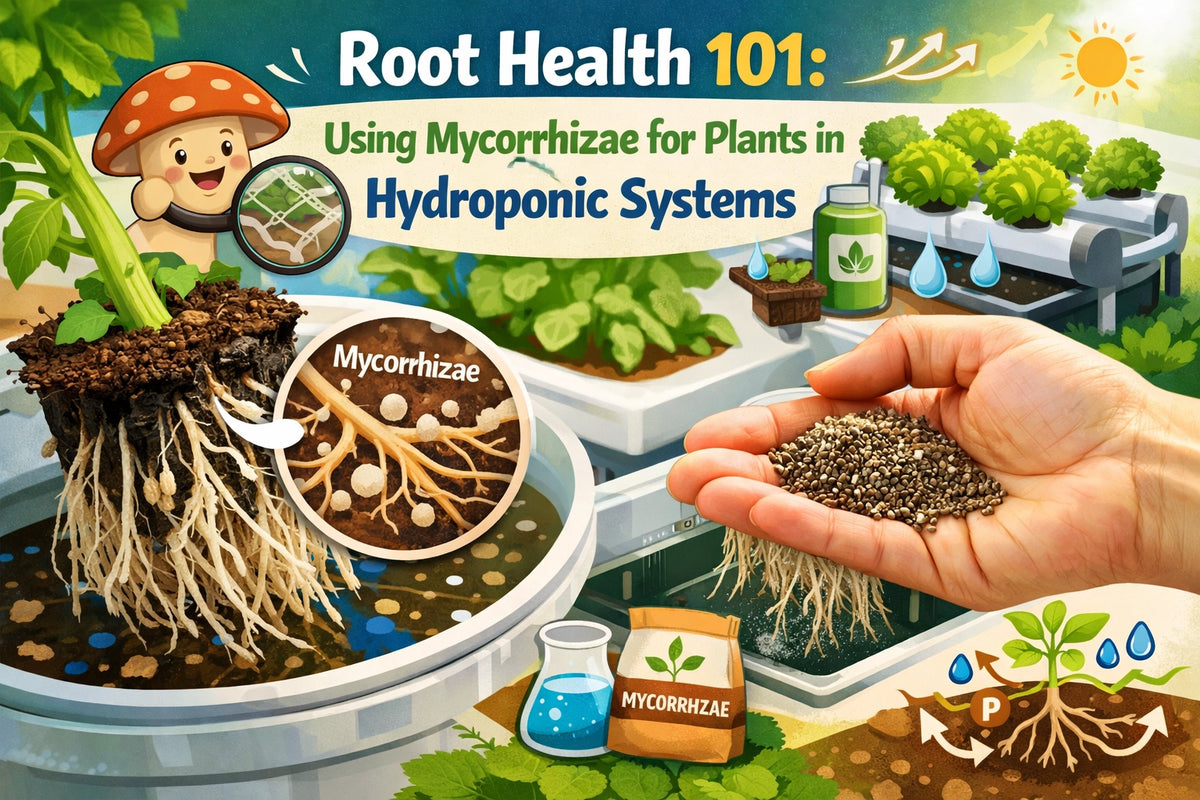
Interactive Guide: Understanding the Root Zone Look closely at the image above. The glowing blue and gold networks represent the Mycorrhizal Fungi (the hyphae). In a standard hydroponic setup, your roots are limited by their physical surface area. When you "plug in" these beneficial fungi, you are essentially upgrading your plant's "hardware" to a high-speed fiber-optic network of nutrient delivery.
Hey everyone, Mark here from Perfect Gardens. If you’ve been following our content for a while, you know I’m obsessed with one thing: the root zone. Most growers spend all their time looking at the leaves, the buds, and the lights, but the fact of the matter is that your harvest is won or lost beneath the surface.
In the world of soil growing, we talk about "living soil" all the time. But in hydroponics, many people think the goal is to keep things sterile. While a sterile reservoir has its place, you are missing out on a massive biological advantage if you aren’t using Mycorrhizae.
Today, we’re going to break down exactly how these "fungal partners" work in a water-based system, why they are your best insurance policy against root rot, and the specific trick with phosphorus that most growers get wrong.
What Exactly is Mycorrhizae?
The word "Mycorrhizae" literally translates to "fungus-root." It’s not just a product; it’s a relationship. Specifically, it’s a symbiotic relationship between a specialized type of fungi and the vascular roots of your plants.
Think of it like a trade agreement. Your plant is a master of photosynthesis, it creates sugars (carbohydrates) using light. The fungi, on the other hand, are masters of the soil (or the reservoir). They grow long, microscopic threads called hyphae. These hyphae are much thinner than root hairs, meaning they can reach into microscopic crevices and access nutrients that the plant simply can't touch.
The Trade:
- The plant sends sugars down to the roots to feed the fungi.
- The fungi use that energy to expand their network and bring phosphorus, nitrogen, and micronutrients back to the plant.
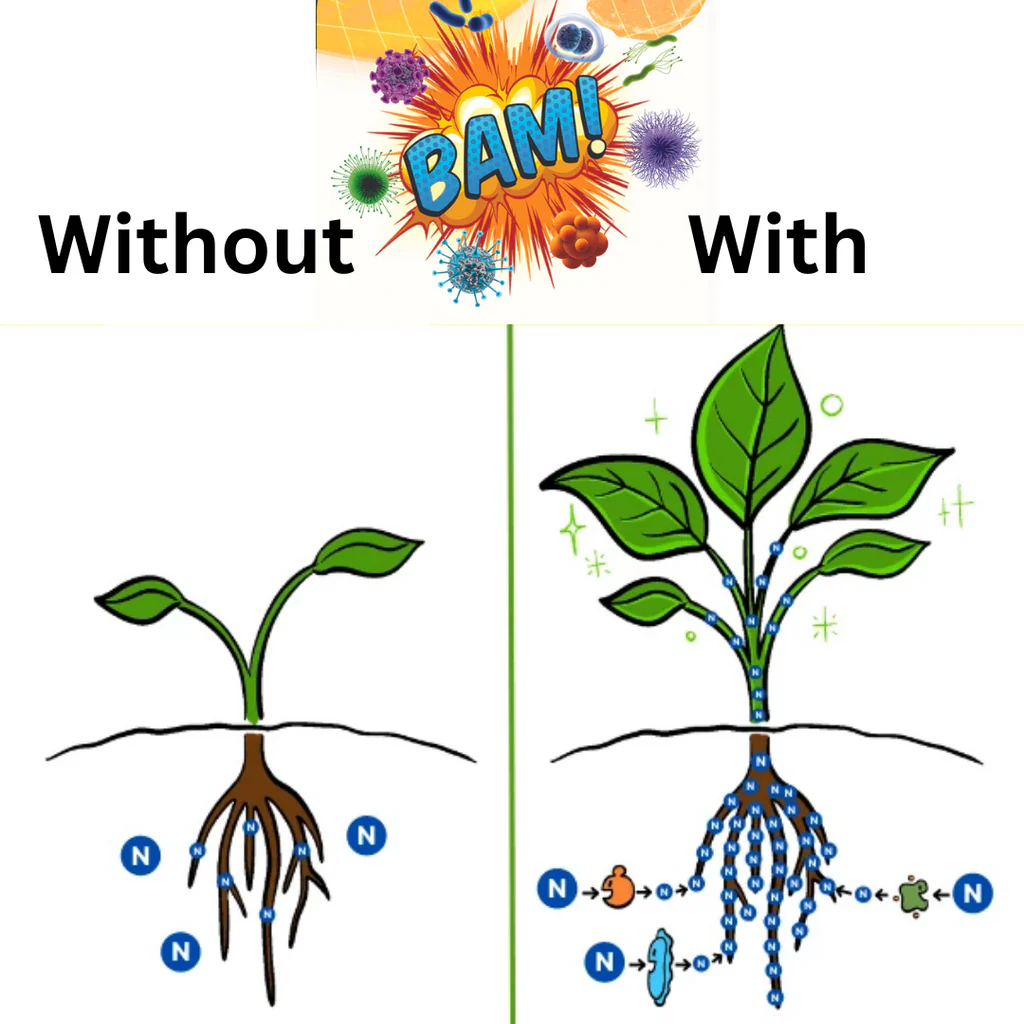
As you can see in the comparison above, the difference in root mass isn't just about "looking cool." A plant with a colonized root system has up to 10x to 100x the surface area of a plant without it. In a hydroponic system where you want maximum efficiency, this is how you push your genetics to their absolute limit.
Why Mycorrhizae Matters in Hydroponics
You might be thinking, "Mark, I’m already pumping high-quality nutrients directly into the water. Why do I need a fungus to find them for me?"
It’s a fair question. In a complete hydroponic system, nutrients are readily available. However, there are three massive benefits that go beyond simple nutrient "searching":
1. The "Shield" Against Pathogens
Hydroponic systems are susceptible to water-borne pathogens like Pythium (root rot) and Fusarium. These diseases love stagnant or warm water. When mycorrhizal fungi colonize your roots, they physically occupy the space where pathogens would otherwise land. They also create a chemical barrier that makes the roots less "tasty" to harmful microbes. It’s like having a security detail for your root zone.
2. Buffering Against Stress
Have you ever had a pump fail or a reservoir get too hot? In a sterile system, your plants can start wilting in minutes. Mycorrhizal networks help the plant store moisture and nutrients more effectively within the root structure, giving you a wider "margin of error" when things go wrong.
3. Enhanced Nutrient "Processing"
Even in the best nutrients packages, some minerals can "lock out" or become difficult for the plant to absorb due to pH fluctuations. Mycorrhizae secrete enzymes that break down these minerals, making them bio-available even when your reservoir isn't perfectly dialed in.
The Hydroponic Challenge: The "Washout" Effect
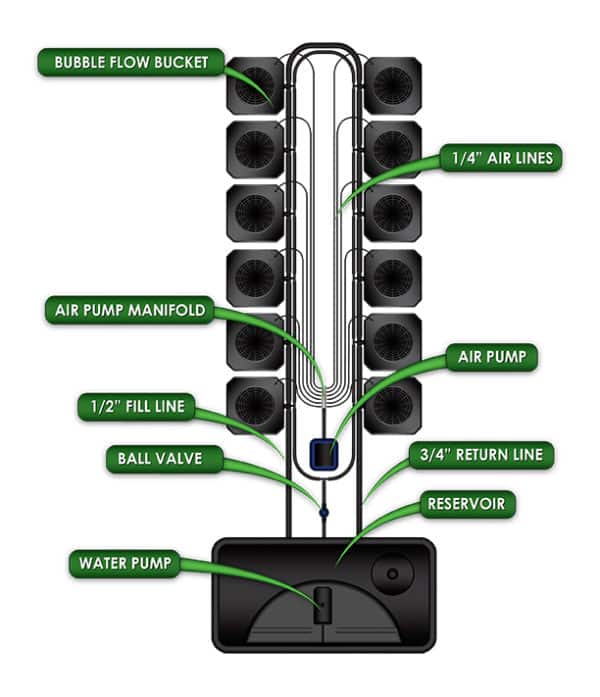
In soil, once you inoculate the roots, the fungi stay there. In hydroponics, specifically in systems like DWC (Deep Water Culture) or Ebb and Flow, we have a challenge: water circulation.
Because your water is constantly moving and being replaced during reservoir changes, the concentration of beneficial microbes can drop quickly. Unlike soil, which acts as a stable "home" for these fungi, a hydroponic reservoir is more like a transit station.
The Pro Tip: To maintain a thriving colony, you need to re-apply your mycorrhizae every time you do a full reservoir change. This ensures that new root growth is immediately colonized.
Step-by-Step: How to Apply Mycorrhizae in Hydro
Applying these fungi in hydro is a bit different than just mixing it into the dirt. Here is how we recommend doing it at Perfect Gardens:
Step 1: Inoculate During Propagation
The best time to start is at day one. Whether you are using Rockwool starter trays or biodegradable plugs, you want to dust the seed or the clone cutting directly with a high-quality mycorrhizal powder like Xtreme Gardening Mykos.

By putting the spores directly on the point of contact, you ensure colonization happens within the first 24–48 hours of life.
Step 2: Use a "Tea" or Liquid Concentrate
If you are already mid-grow, you can add mycorrhizae directly to your reservoir. However, I highly recommend using a microbial inoculant like BAM! (Beneficial Active Microbes). BAM! is designed to work in tandem with fungi to create a complete "living" water ecosystem.
Step 3: Watch Your Water Temps
Beneficial fungi are living organisms. If your reservoir temperature climbs above 75°F (24°C), the oxygen levels drop, and the fungi can start to die off, which actually contributes to the "sludge" you see in root rot. Keep those temps between 65°F and 68°F for maximum fungal activity.
The Phosphorus Trap: The One "Caution" You Need to Know
Here is the "insider" knowledge that separates the pros from the hobbyists.
High levels of Phosphorus (P) actually inhibit the growth of Mycorrhizae.
Nature is efficient. If a plant has an absolute surplus of phosphorus (which often happens in the "bloom" phase of a hydro grow), the plant "decides" it doesn't need to pay the sugar tax to the fungi. It will actually stop feeding the mycorrhizae, and the colony will shrink.
The Strategy:
- Focus heavily on mycorrhizal application during the Vegetative stage. This is when you want to build that massive root structure.
- Continue application through the first week of transition.
- Stop applying mycorrhizae approximately 2 weeks before you expect your peak flowering. By this point, the fungi have done their job of building the "engine." Now, you can crank up your P-K boosters (like those found in our NPK Industries collection) without worrying about the biological conflict.
Recommended Tools for a Healthy Root Zone
If you’re ready to stop growing "sterile" and start growing "smart," here are the products we trust:
- Xtreme Gardening Mykos: The industry standard for pure mycorrhizal inoculant. It’s simple, effective, and works great in hydro.
- BAM! Microbial Inoculant: Our go-to for adding the "beneficial bacteria" side of the equation.
- Nutrient and Microbial Inoculant Kit: This is the "all-in-one" solution. It includes Mykos, BAM!, and Drops of Balance to ensure your water chemistry is perfect for life to thrive.

Final Thoughts
The fact of the matter is that most hydroponic nutrients are designed to be "fast." They hit the plant hard and get results. But if you want a garden that is resilient, efficient, and capable of producing truly high-quality yields, you need to invite biology to the party.
By using mycorrhizae, you aren't just feeding your plants; you are building an ecosystem. It seems more like extra work at first, but when you see the white, fuzzy, massive root structures at the end of the season, you’ll realize this is not just a "bonus": it’s a necessity.
If you have questions about which microbes are right for your specific setup, check out our Grow Help section or drop a comment below. Let’s get those roots growing!
Happy Gardening! - Mark, CEO of Perfect Gardens


Leave a comment
This site is protected by hCaptcha and the hCaptcha Privacy Policy and Terms of Service apply.