

As we roll into the final stretch of summer, many growers make the mistake of thinking the worst is over once July ends. The fact of the matter is, August is often the true test of a gardener’s mettle. While the calendar says autumn is around the corner, the thermometer usually has a different story to tell. In many regions, August brings some of the most intense, stagnant heat of the year, coupled with high humidity that can wreak havoc on hydroponic systems and soil-based gardens alike.
At Perfect Gardens, we’ve seen it all: from melted reservoirs to spider mite explosions that seem to happen overnight. Prepping for August isn't just about surviving the heat; it’s about positioning your plants for a successful transition into the cooler, more productive months of late summer and early autumn.
The Reality of the August Heat Wave
According to research from the American Red Cross, August remains one of the warmest months, often characterized by "peak heat" that refuses to quit. This presents a dual challenge: keeping yourself safe and keeping your garden from wilting. For the grower, the advice is simple but vital: slow down, stay hydrated, and try to handle your garden maintenance during the early morning or late evening hours when the sun isn't at its zenith.
For your plants, the stakes are even higher. When temperatures climb above 85°F (29°C), most plants begin to struggle with transpiration. Their metabolism shifts from growth to survival. If you are running an indoor setup, your air conditioning and ventilation systems are your primary line of defense. If you haven't serviced your AC unit yet, now is the time. A failure in mid-August can result in a total crop loss in a matter of hours.
Managing Hydroponic Systems in High Temps
If you are running hydroponic systems, your biggest enemy in August is reservoir temperature. When your water gets too warm: specifically above 72°F: it loses its ability to hold dissolved oxygen. This creates a literal "suffocation" hazard for your roots and opens the door for pathogens like Pythium (root rot).

To combat this, consider the following technical adjustments:
- Insulation: Use black-white panda film to wrap your reservoirs. The white side reflects light and heat, keeping the internal water temperature several degrees cooler.
- Aeration: Double down on your oxygen delivery. Using high-quality air stones and powerful pumps ensures that even if the water warms up slightly, you are forcing as much oxygen into the root zone as possible.
- Reservoir Positioning: If possible, move your nutrient reservoir outside of the grow tent or onto a concrete floor, which acts as a natural heat sink.
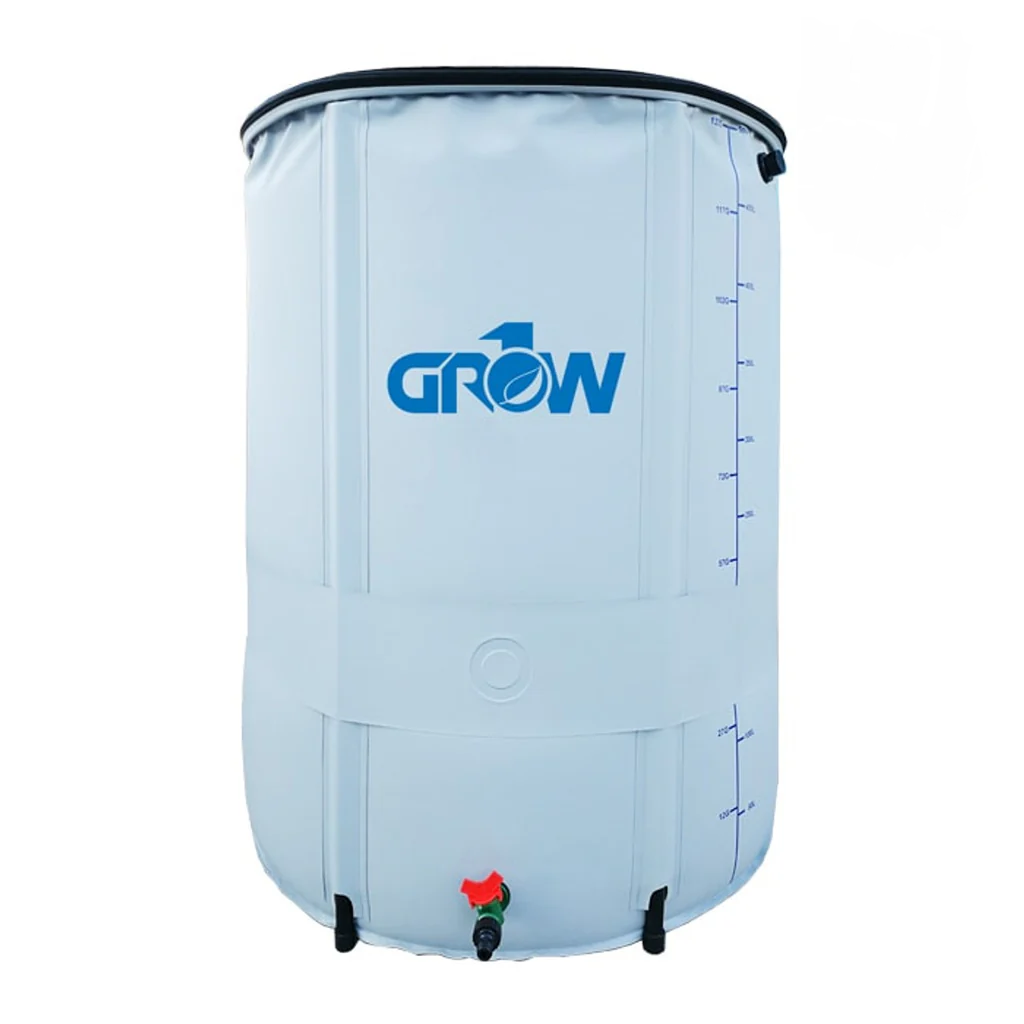
For those using larger setups, a Grow1 collapsible water storage tank is an excellent way to manage larger volumes of nutrient solution. Larger bodies of water fluctuate in temperature more slowly than small buckets, providing a buffer against the midday heat spikes.
The August Transition: Why You Need a Compost Tea Brewer
As we look ahead to late summer and the transition into autumn, the biology of your medium becomes incredibly important. Whether you are growing in coco, soil, or even certain hydro setups, the heat of July and early August can "sterilize" your root zone by killing off beneficial microbes.
This is where a compost tea brewer becomes a game-changer. Transitioning out of peak heat is the perfect time to re-inoculate your plants with a fresh batch of beneficial bacteria and fungi. A well-brewed compost tea provides a "bio-shield" that helps plants recover from heat stress and prepares them for the heavy feeding required in the flowering stage.
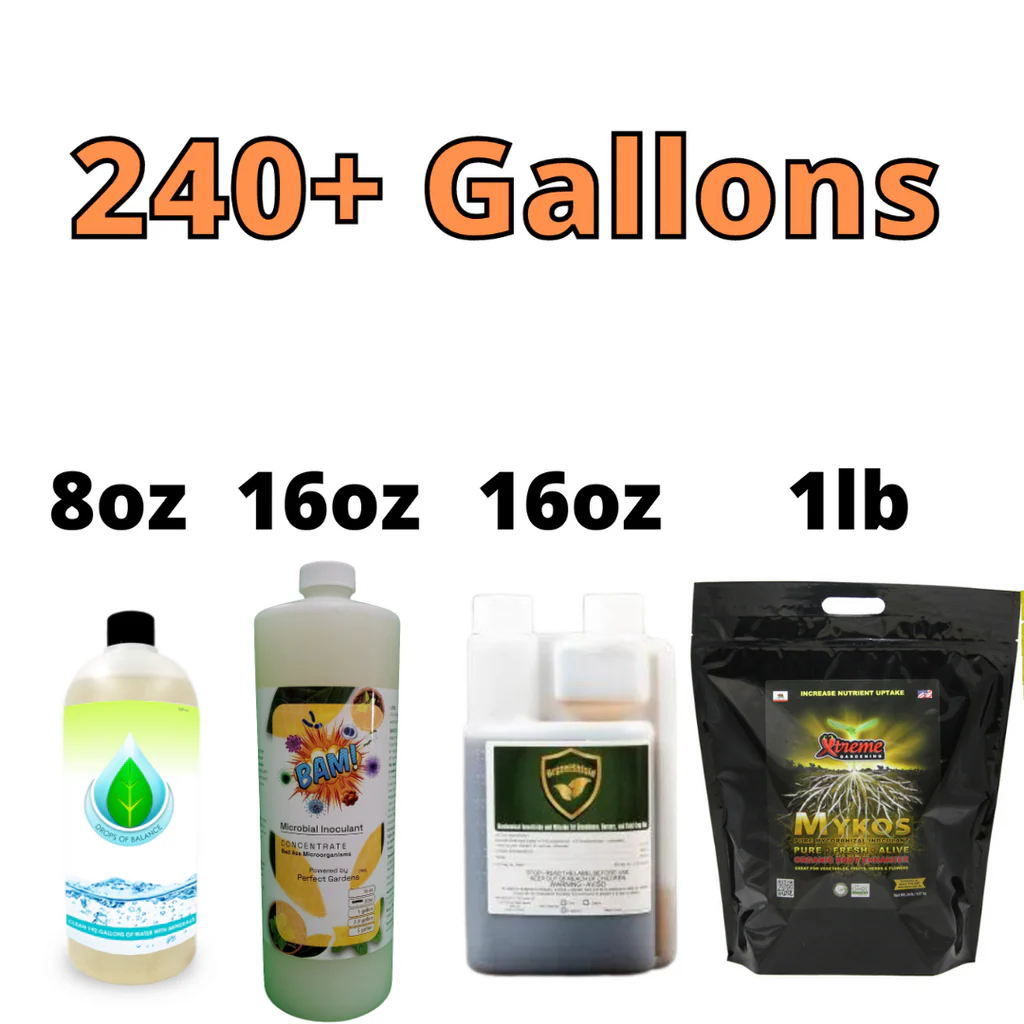
Using a microbial kit, like our Nutrient and Microbial Inoculant Kit, allows you to brew a tea that is rich in mycorrhizae and beneficial bacteria. These microbes help with nutrient uptake, which often slows down when plants are stressed by high temperatures. It seems more like a luxury to some, but experienced growers know that biological diversity in the root zone is what separates a mediocre harvest from a legendary one.

Pest Pressure: The August "Spider Mite" Spike
August is peak season for pests. Spider mites, in particular, thrive in the hot, dry conditions often found in grow rooms during the late summer. They reproduce at an alarming rate when temps are high, and by the time you see the webbing, you’re already in a "code red" situation.
Caution: Do not wait for signs of damage. In August, your Integrated Pest Management (IPM) should be at its strictest.
- Inspect Daily: Look at the undersides of leaves with a loupe.
- Maintain Humidity: While high humidity can cause mold, extremely low humidity (under 40%) in a hot room is an open invitation for mites. Try to find the "VPD sweet spot."
- Cleanliness: Ensure your grow space is free of dead plant matter. Use food-grade hydrogen peroxide to sanitize your floors and tools regularly.
Environmental Control and VPD Mastery
Vapor Pressure Deficit (VPD) is a term you’ll hear a lot at Perfect Gardens. In August, mastering VPD is the difference between a plant that transpires effectively and one that "locks boots."
As the outdoor air gets hotter, it holds more moisture. If your grow room becomes too humid and too hot, the plant can't "sweat," causing it to overheat internally. Conversely, if you run your AC too hard and the air becomes bone-dry, the plant will close its stomata to save water, halting growth.
Using tools like the Blumat Automatic Watering System can help maintain consistent moisture levels in the medium, ensuring that even if the environment fluctuates, the roots have a steady supply of hydration to pull from.
Prepping Your Gear for the Autumn Shift
While we are currently battling the heat, the savvy grower is already looking at their inventory for September and October. As temperatures drop, your needs will shift from cooling to light efficiency and humidity control.
If you’ve been struggling with heat, it might be time to evaluate your tent. Gorilla Grow Tents are famous for their heavy-duty fabric which provides superior insulation: keeping the heat out in the summer and the warmth in during the cooler autumn nights.
Also, consider your harvest tools. If your August prep goes well, you’ll be looking at a heavy harvest in a few weeks. Tools like the Bubble Magic Dry Trimming Bag or a washing machine for ice water extraction should be cleaned and ready to go before the "harvest haze" sets in.
Final Thoughts for the August Push
The transition out of peak heat is a marathon, not a sprint. It’s easy to get frustrated when the electric bill spikes and the reservoir temps won't stay down, but consistency is key. Focus on oxygenating your hydroponic systems, keep your microbial life thriving with a compost tea brewer, and keep a sharp eye out for pests.
August is the bridge to the most rewarding part of the growing season. By putting in the work now to stabilize your environment and protect your plants, you’ll be reaping the rewards when the crisp autumn air finally arrives.
If you’re feeling overwhelmed by the heat or need a specific gear recommendation to get through the month, check out our Army of Growers community or browse our grow help videos for deep dives into climate control and nutrient management. Stay cool, keep your pH in check, and let’s get these plants to the finish line.




Leave a comment
This site is protected by hCaptcha and the hCaptcha Privacy Policy and Terms of Service apply.