
For any indoor grower, "the flip" is one of the most exciting moments in the cultivation cycle. It is the transition point where your hard work in the vegetative stage pays off, and your plants begin the journey of producing actual fruit or flowers. However, flipping too early or too late can lead to a host of problems, from undersized yields to overgrown tents that are impossible to manage.
The transition from the vegetative stage to the bloom stage isn't just about changing a timer on your lights; it’s about ensuring your plants are physiologically prepared for the most demanding phase of their lives. In this guide, we’re going to break down exactly when to flip, how to do it correctly, and the essential checklist you need to follow to ensure a successful harvest.
Understanding the Mechanics of the Flip
In the wild, most photoperiod plants begin to flower as the days get shorter in late summer. This change in the light spectrum and duration triggers hormonal shifts within the plant. Indoor growers mimic this by switching their light cycle: usually from 18 hours of light and 6 hours of darkness (18/6) to a strict 12 hours of light and 12 hours of darkness (12/12).
This 12/12 cycle signals to the plant that "winter is coming," prompting it to stop focusing on leaf and stem production and start focusing on reproduction. The fact of the matter is, if you don’t get this timing right, you are leaving money (and quality) on the table.
When Is the Right Time to Flip?
There is no "one size fits all" answer to when you should flip your plants. It depends on your genetics, your available space, and your goals. However, we can look at three main indicators to help you make the call.
1. The Height Rule (The 50% Rule)
The most common mistake beginners make is waiting until the plant looks "full grown" to flip. You must account for the "flowering stretch." Most plants will double, and some will even triple, in height during the first 2-3 weeks of the bloom cycle.
As a general rule of thumb, you should flip when your plants have reached about half of the vertical height available in your grow space. If you have a 6-foot Gorilla Grow Tent, and you factor in the height of your pots and the distance required between your LED lights and the canopy, your plants should probably be flipped when they are 18 to 24 inches tall.
2. Plant Maturity and Age
While some growers flip as early as 3 weeks into veg, most expert growers prefer a vegetative period of 4 to 8 weeks. A plant needs a robust root system and a sturdy "skeleton" (stalks and branches) to support the weight of heavy buds. If you flip a plant that is too young, it may not have the hormonal maturity to produce a high-quality yield.
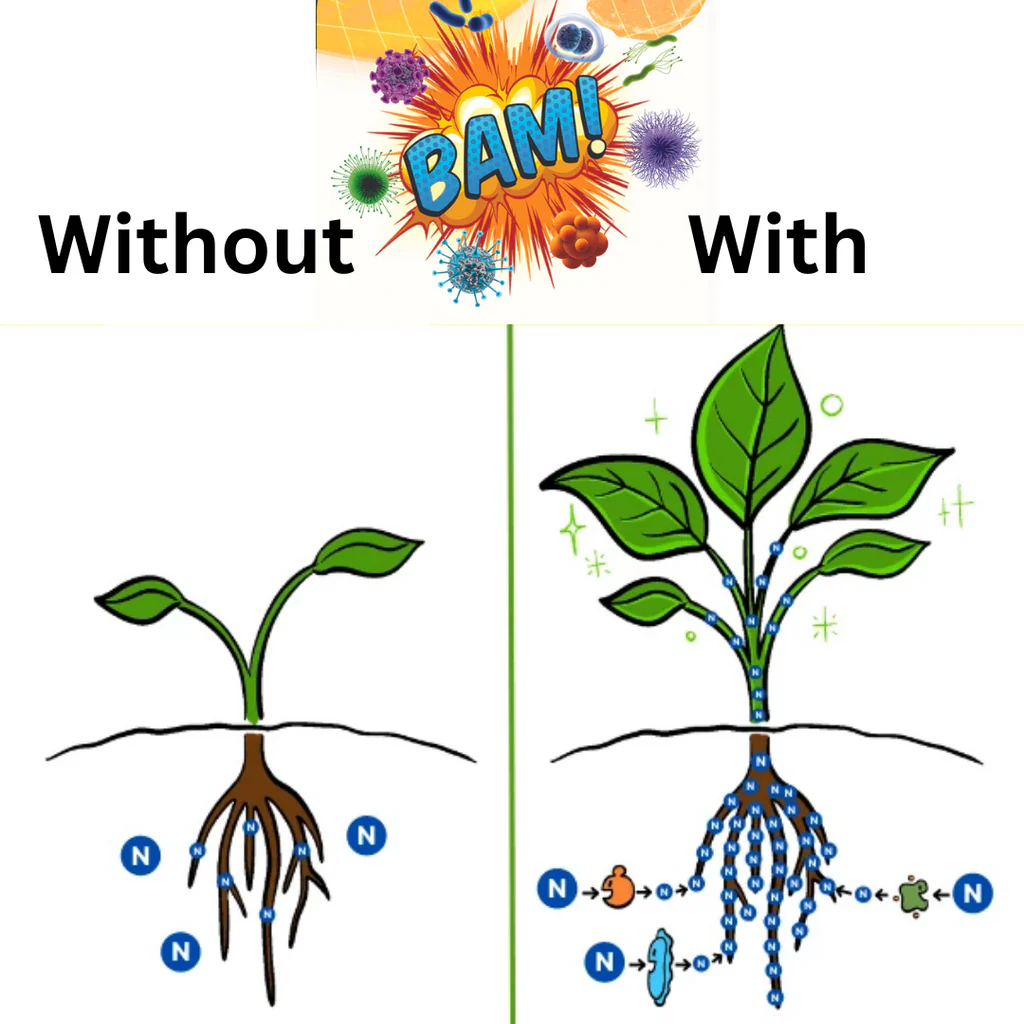
As seen in the comparison above, the difference in root development directly impacts how well a plant can handle the nutrient demands of the flowering stage. A plant with a weak root system will struggle to uptake the phosphorus and potassium needed for bloom, leading to deficiencies right when it matters most.
3. Health Status
Never flip a sick plant. If your plants are currently battling spider mites, fungus gnats, or nutrient lockout, flipping them into bloom will only exacerbate the issue. Flowering is a stressful period. If the plant is already struggling, the transition will likely lead to hermies (hermaphroditism) or a total crop failure. Ensure your leaves are vibrant green and your growth is vigorous before changing the lights.
The Pre-Flip Checklist
Before you reach for that timer, you need to run through this checklist. Taking 48 hours to prep your plants can save you weeks of headaches later.
Step 1: Final Pruning and Lollipoping
Once you move into bloom, you want the plant's energy directed toward the top canopy where the light is strongest. "Lollipoping" refers to removing the lower growth: small branches and leaves: that won't receive enough light to develop into anything other than "larf" (airy, low-quality buds). Do your heavy pruning about 3-5 days before the flip so the plant has time to recover from the stress.
Step 2: Secure Your Training
If you are using a Scrog (Screen of Green) or low-stress training (LST), ensure your branches are positioned where you want them. Once the stretch begins, the stems will become woodier and more difficult to bend without snapping.

Using a plant tying tool kit is highly recommended during this phase. It allows you to secure branches to your trellis or stakes quickly, ensuring the canopy remains even. An even canopy ensures that every bud site receives the same amount of light intensity, maximizing your overall yield.
Step 3: Transition Your Nutrients
Plants in the vegetative stage crave Nitrogen. However, once you flip, their needs shift toward Phosphorus and Potassium. It is often a good idea to give the plants one last "Veg" feeding right at the flip, followed by a transition to a bloom-specific nutrient package.

Step 4: Check for Light Leaks
This is the "make or break" step for indoor growers. During the 12 hours of darkness, your room must be completely dark. Even a tiny pinhole of light from a power strip or a poorly sealed tent zipper can confuse the plant’s hormones. This leads to re-vegging or the development of male flowers on a female plant. Step inside your tent, zip it up, and wait for your eyes to adjust. If you see light, seal it with black and white panda film.
Boosting the Transition with Microbes
The transition from veg to bloom is a high-stress event. To help the plant cope and to ensure it has the nutrient uptake capacity required for the stretch, we highly recommend inoculating your media with beneficial microbes.

Using a kit like the BAM! Microbial Inoculant or the full nutrient and microbial kit shown above can significantly reduce transition stress. These microbes break down organic matter and make minerals immediately available to the roots. If you are running a hydroponic system, keeping your reservoir clean and oxygenated during this flip is equally vital.
Environmental Adjustments
Your environment needs to change along with your light cycle. In the vegetative stage, plants generally prefer higher humidity (50-60% RH). However, as you enter the bloom stage and buds begin to form, high humidity becomes your enemy, leading to bud rot and powdery mildew.
- Humidity: Gradually lower your humidity to 40-50% during the first few weeks of bloom.
- Temperature: Try to maintain a "lights-off" temperature that is about 10 degrees cooler than your "lights-on" temperature. This mimics the natural cooling of autumn nights and can help stimulate resin production.
- CO2: if you are using CO2, the transition and early bloom stages are when the plant can utilize it most effectively to build mass.
What to Expect: The First 21 Days
After you flip to 12/12, you won't see flowers immediately.
- Week 1: The plant might look like it’s still in veg, but internally, the hormones are shifting.
- Week 2: The "Stretch" begins. You will notice significant vertical growth. This is the time to keep tucking branches under your trellis net.
- Week 3: You will start to see "pre-flowers" or small white hairs (pistils) at the nodes. This is the official sign that your flip was successful.
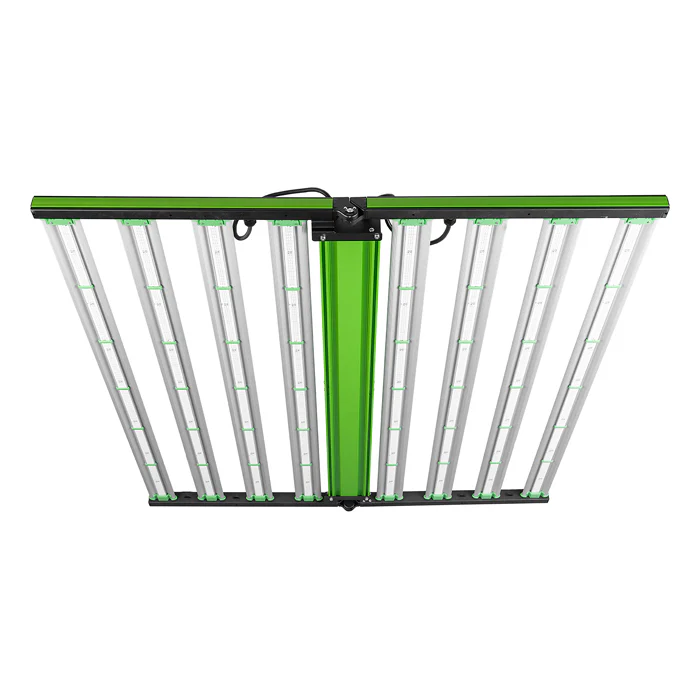
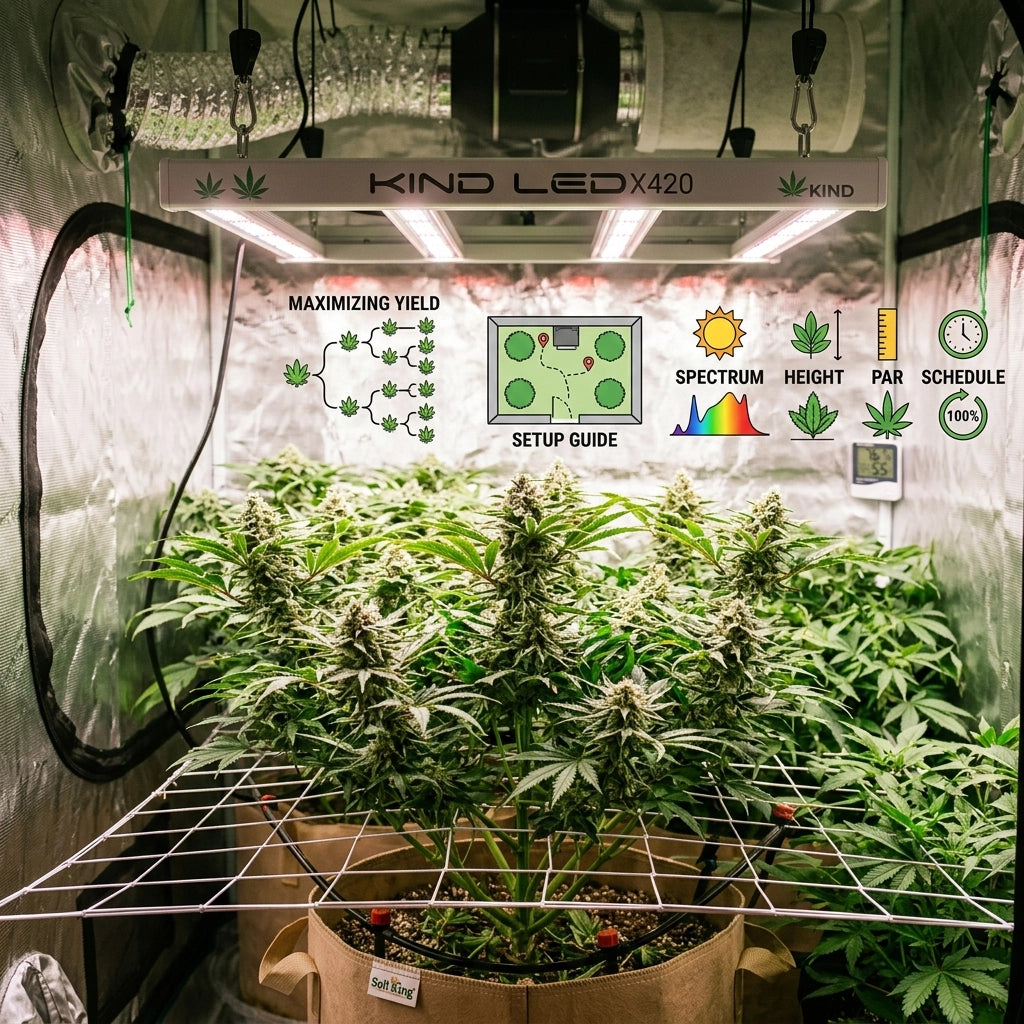
If you are using high-intensity Kind LED Grow Lights, keep a close eye on the distance between the tops of your plants and the light fixture during this time. The stretch can happen so fast that plants can actually grow into the lights overnight, causing light burn.
Common Pitfalls to Avoid
- Flipping Too Late: If your plants are already touching the top of the tent in veg, you’re in trouble. You may have to resort to extreme super-cropping (breaking the inner stem to fold the plant over) to save the harvest.
- Neglecting the Reservoir: For those in hydro, the flip often causes a spike in nutrient uptake. Check your reservoir daily for pH swings. A stable pH is the difference between a record harvest and a mediocre one.
- Ignoring Pests: Some growers think pests will go away when the lights change. They won't. They will hide inside the developing buds where you can't spray them. Treat all issues before the first white hairs appear.
Final Thoughts
Prepping for the flip is about more than just a schedule; it’s about reading your plants. If they are healthy, half the size of your space, and supported by a strong microbial foundation, you are ready to make the switch.
Take the time to do your final pruning, check your light seals, and transition your nutrients properly. By following this checklist, you’re setting yourself up for a smooth flowering cycle and a heavy, resinous harvest.
If you need help selecting the right nutrients or lighting for your specific setup, check out our Grow Help section or browse our complete hydroponic systems to get everything you need for a professional-grade flip.


Leave a comment
This site is protected by hCaptcha and the hCaptcha Privacy Policy and Terms of Service apply.