

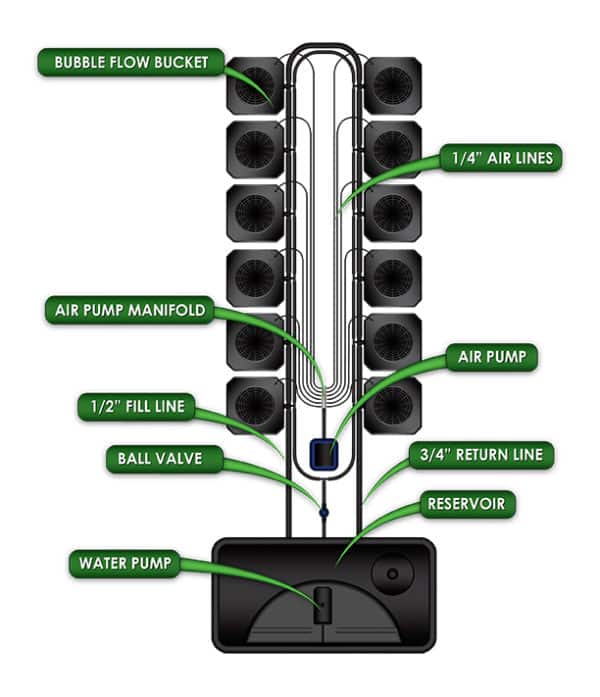
As we transition into the cooler months of September, many growers are shifting their focus back to indoor setups. While the air temperature inside your grow tent might feel perfect, the real engine of your garden: the nutrient reservoir: often faces its own set of challenges during this seasonal shift. Whether you are running a deep water culture (DWC) setup or a complex ebb and flow system, maintaining a stable environment in your reservoir is the difference between a record-breaking harvest and a room full of stressed, nutrient-locked plants.
The fact of the matter is that your reservoir is the lifeblood of your hydroponics system. If the pH is swinging wildly or the water temperature is fluctuating, your plants spend more energy trying to survive the stress than they do building flowers. In this guide, we are going to break down the technical side of reservoir management, focusing on how to keep your pH and temperatures locked in as the weather cools down.
The Science of pH: Why 5.8 to 6.3 Matters
In a hydroponic environment, pH is the gatekeeper of nutrient availability. You can buy the most expensive nutrients on the market, but if your pH is off, the plants simply cannot "see" or "grab" those minerals.
Most hydroponic crops thrive in a pH range between 5.8 and 6.3. Inside this narrow window, essential elements like nitrogen, phosphorus, and potassium are most chemically available for root uptake. When the pH drifts outside of this range: say, up to 7.0 or down to 5.0: certain nutrients become chemically "locked out." For example, iron and manganese become much harder for the plant to absorb at higher pH levels, leading to yellowing leaves and stunted growth.
Dealing with pH Drift
It is a common misconception that a stable reservoir means the pH never moves. In reality, pH drift is a natural part of the growing process. As plants consume nutrients and water, they release ions back into the solution, which naturally shifts the acidity.
- The "Add-Back" Method: Instead of dumping concentrated "pH Down" or "pH Up" directly into your main tank, use the add-back method. Mix your adjusters into a small gallon of water first, then slowly add that diluted solution to the reservoir. This prevents "pH shock" to the microbes and the roots.
- Allowing for Natural Drift: Some experienced growers actually prefer a slight drift. If you set your reservoir at 5.8 and let it naturally rise to 6.2 over a few days before adjusting it back down, your plants get a chance to absorb a wider spectrum of minerals that are more available at different points in that range.
- Monitor Consistently: As the air gets cooler in September, your plants' transpiration rates change. This affects how much water they drink versus how many nutrients they eat, which in turn changes the speed of your pH drift.
Temperature Control: Finding the 68–72°F Sweet Spot
While pH is about chemistry, temperature is about physics: specifically, the physics of oxygen. The ideal temperature for a hydroponic nutrient solution is between 68°F and 72°F (20–22.2°C).
If your water gets too warm (above 75°F), its ability to hold dissolved oxygen (DO) plummets. Low oxygen in the root zone is a recipe for disaster; it creates an anaerobic environment where pathogens like Pythium (root rot) thrive. Conversely, if the water is too cold (below 60°F), the plant's metabolism slows down significantly, and nutrient uptake: especially phosphorus: stalls out.
Managing Reservoirs in Cooler Indoor Spaces
As we head into autumn, indoor growers often deal with "cold floor syndrome." If your reservoirs are sitting directly on a concrete basement floor, the cold will leach into your nutrient solution.
- Insulation is Key: Use foam boards or black and white panda film to create a thermal barrier between the floor and your tank. This simple step can keep your water temps 3-5 degrees warmer without using an electric heater.
- The Role of Submersible Pumps: It seems more like a minor detail, but your pumps generate heat. In the summer, this is a nuisance. In the winter, the heat from a constantly running pump can actually help maintain that 68°F baseline.
- Air Stones and Friction: Keep in mind that heavy aeration also adds a small amount of heat through friction and the ambient temperature of the air being pumped into the water.
Oxygenation and Sanitation
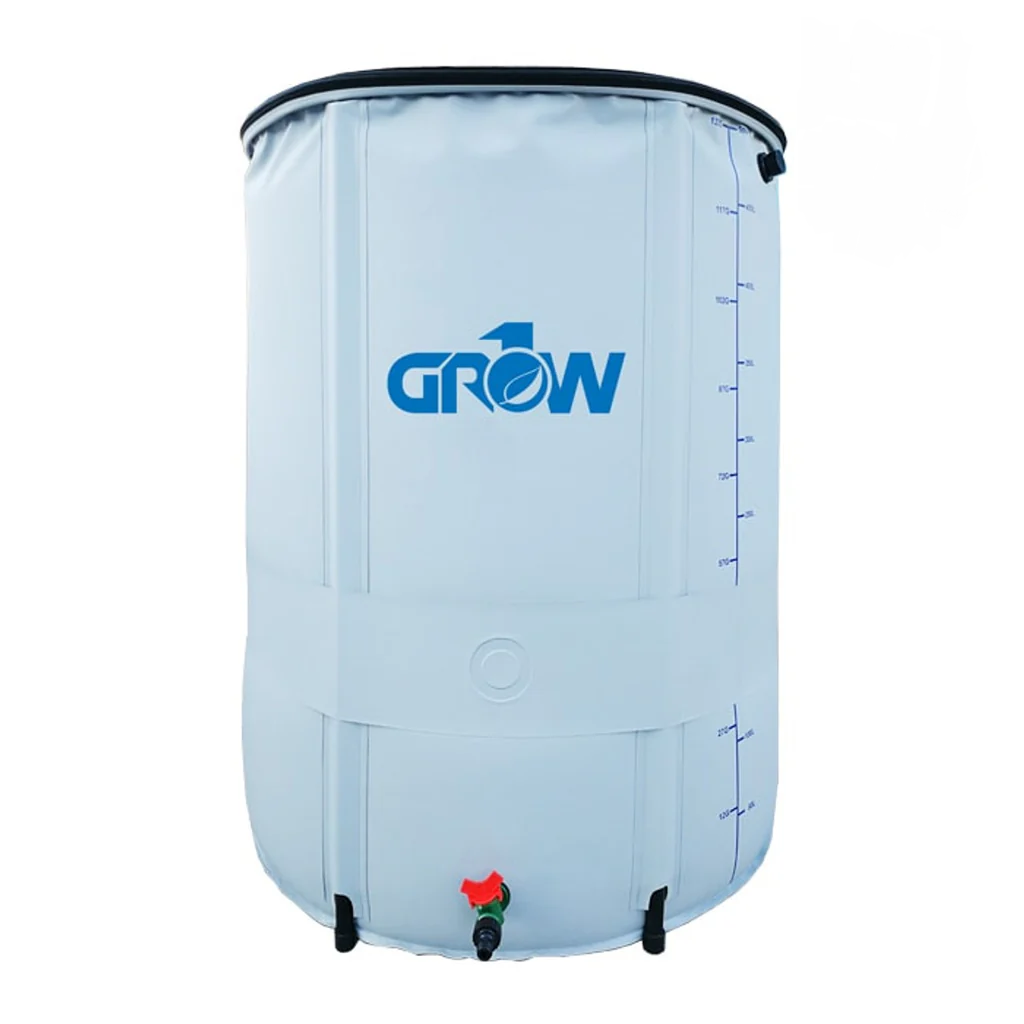
Stability isn't just about numbers; it’s about the health of the water itself. A stagnant reservoir is a dying reservoir. To keep your environment stable, you need to ensure the water is constantly moving and oxygenated.
High dissolved oxygen levels do more than just feed the roots; they act as a buffer against bad bacteria. When you have high DO levels, it is much harder for pathogens to take hold. However, maintaining this in a large tank can be a chore.
Sterilization vs. Beneficial Microbes
There are two main schools of thought for reservoir sanitation:
- The Sterile Approach: Using products like food-grade hydrogen peroxide to kill everything in the water. This keeps the lines clean but requires constant maintenance.
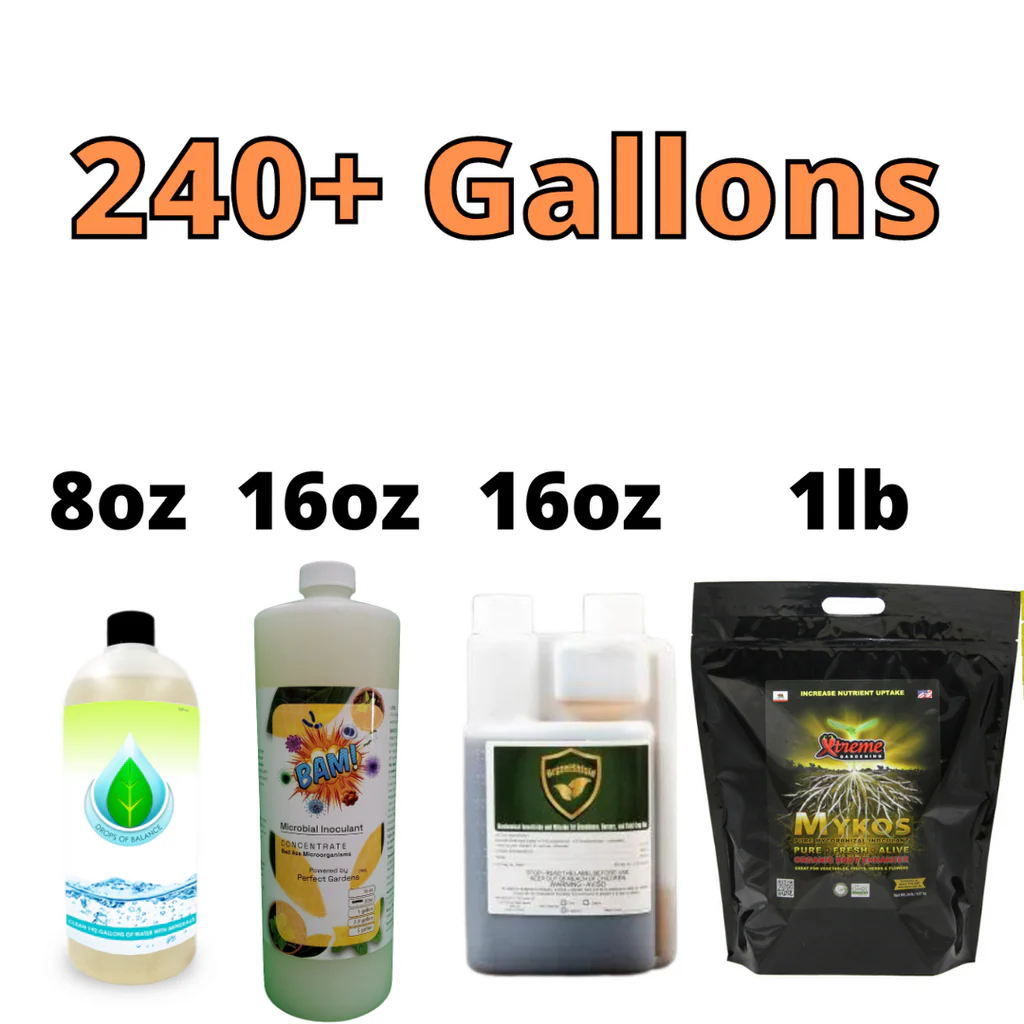
- The "Live" Approach: Using beneficial microbes and inoculants to "crowd out" the bad bacteria. Kits like a Nutrient and Microbial Inoculant Kit introduce beneficial fungi and bacteria that protect the root zone and help stabilize the environment.
Regardless of your choice, the "Caution" here is consistency. Switching back and forth between a sterile and a live reservoir usually results in a massive pH swing and root stress as the ecosystem inside the tank crashes.

Tools for Professional Management
If you find yourself constantly fighting your reservoir, it might be time to look at controllers and automation. The technology has come a long way, and you no longer need to be a commercial chemist to have a dialed-in system.
- Continuous Monitors: These devices stay in your reservoir and give you a live readout of pH, PPM (parts per million), and temperature. Seeing the data in real-time allows you to catch a problem before it becomes a deficiency.
- Automated Dosing: For those with a larger budget, automated dosers will monitor the pH and automatically drip "pH Down" into the tank whenever it drifts above your set limit.
- App Integration: Many modern systems, like those from AC Infinity, allow you to track your environmental data right on your phone. This is incredibly helpful when you're trying to figure out if your reservoir temps are dropping too low during the "lights off" period.

Common Pitfalls and How to Avoid Them
Even with the best equipment, mistakes happen. Here are a few things we see growers struggle with frequently:
- Light Leaks in the Reservoir: Algae needs two things to grow: nutrients and light. If your reservoir lid isn't light-proof, you will end up with an algae bloom. Algae will consume your oxygen and cause your pH to spike uncontrollably during the day. Always use opaque or reflective covers.
- Over-Correcting: If you see your pH at 6.5, don't panic and dump a bunch of acid in. Small, incremental changes are always better. Sudden shifts in the chemical makeup of the water can cause the plants to "wilt" even if the water levels are fine.
- Ignoring the "Gunk": Over time, a biofilm can build up on the walls of your reservoir and inside your tubing. This biofilm can "trap" nutrients and host pathogens. We recommend a full reservoir teardown and cleaning every 2-3 weeks or between cycles. Using something like Drops of Balance can help keep minerals in suspension and reduce scaling.
Final Thoughts for the September Transition
As you set up your winter grow, treat your reservoir with the same respect you give your LED lights. The environment in that tank is the foundation for everything that happens above the surface.
Keep your temps between 68-72°F, aim for a pH of 5.8-6.3, and ensure your water is highly oxygenated. If you can master these three variables, you’ll find that most "nutrient deficiencies" simply disappear, because the plant finally has the perfect environment to eat.
If you are just starting out or looking to upgrade your current reservoir setup, check out our full collection of reservoirs and grow essentials to find the right fit for your space. Taking the time to dial in your management now will save you countless headaches when the plants are in full bloom later this winter.


Leave a comment
This site is protected by hCaptcha and the hCaptcha Privacy Policy and Terms of Service apply.