
As the heat of August begins to dip and the days get shorter, most of us are either deep into the harvest or looking at a garden that’s finally crossing the finish line. Summer is the ultimate test for any grower. Between the soaring temperatures, humidity spikes, and the relentless pressure from pests, a lot can go wrong. But here’s the thing: a "failed" season is only a waste if you don’t learn from it.
The best time to plan for next year isn't next spring: it’s right now, while the mistakes and successes of this summer are still fresh in your mind. At Perfect Gardens, we believe that data is the difference between a lucky harvest and a consistent one. Let’s dive into how you can review your summer grow and set yourself up for a massive win next season.
1. Light and Location: Did Your Plants Get Enough Sun?
One of the most common issues we see with outdoor summer grows is poor placement. You might have thought that spot in the corner of the yard was perfect in May, but as the sun’s path changed throughout June and July, did your plants end up in the shade?
Cannabis and most high-fruiting plants require a minimum of 6+ hours of direct sunlight daily to reach their full potential. If you noticed your plants producing "airy" or fluffy buds rather than dense, resinous ones, insufficient light was almost certainly the culprit.
What to look for:
- Shadow Patterns: Did a neighbor's tree or a fence line block the afternoon sun?
- Orientation: In the Northern Hemisphere, south or south-west facing orientations are king.
- Terpene Profiles: Weak smells often point back to poor light intensity during the flowering stage.
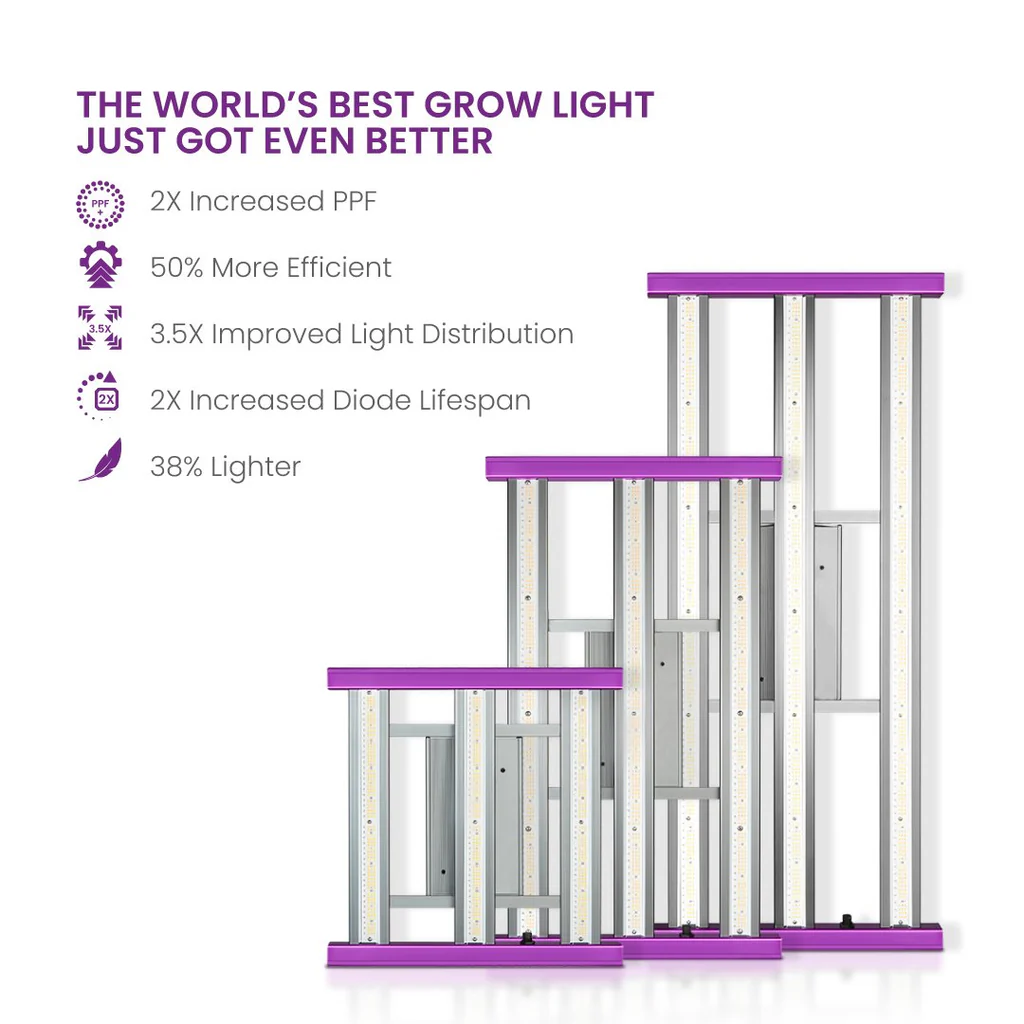
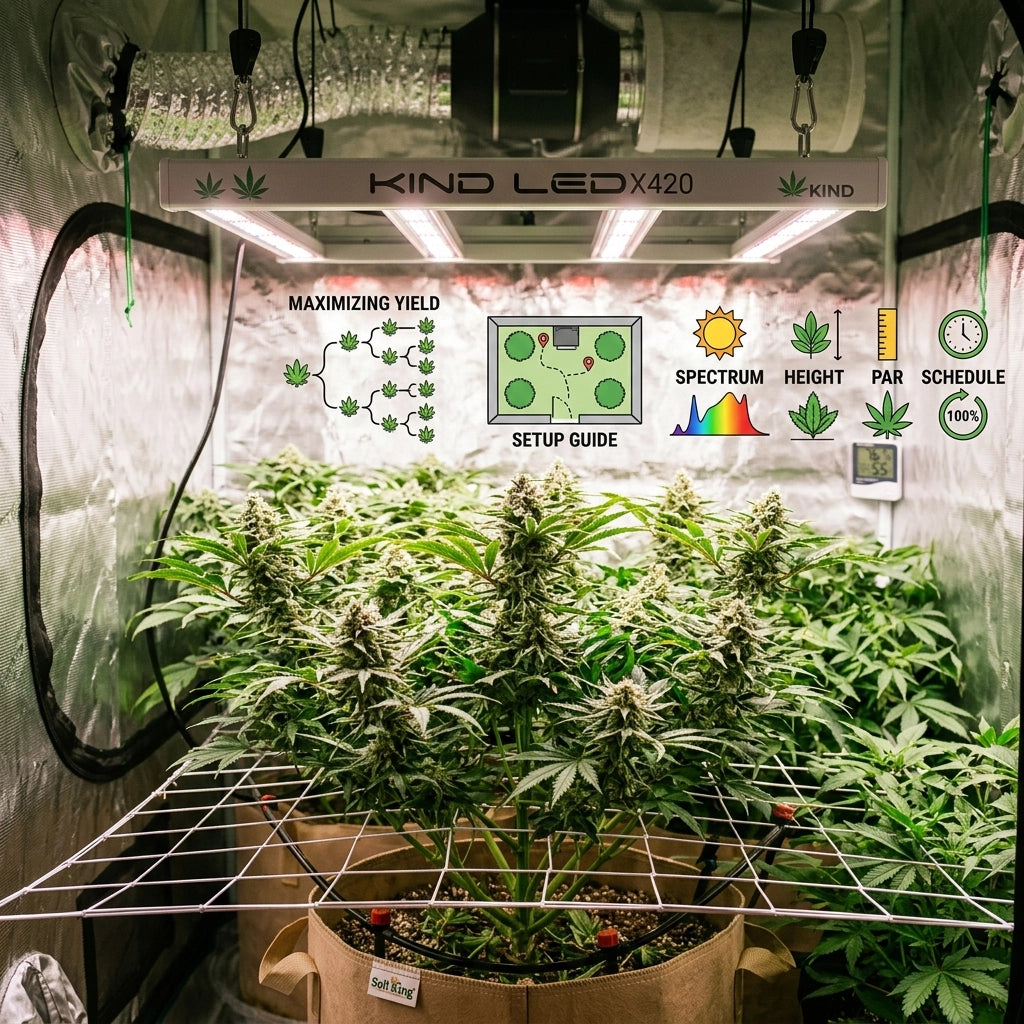
If your backyard isn't cutting it, you might consider moving to a controlled environment for part of the cycle or investing in better lighting for an indoor setup. For those transitioning indoors to keep the momentum going, KIND LED grow lights are a solid choice to mimic that intense summer sun without the unpredictability of the weather.
2. Genetics and Climate Fit: Was Your Strain Up to the Task?
Not every strain is built for every climate. If you live in a region with high late-summer humidity and you chose a strain with massive, dense colas prone to bud rot, you likely spent August fighting a losing battle against mold.
Reviewing your genetics is about more than just "did it get high?" It’s about "did it survive?" If you experienced excessive pest pressure or powdery mildew, it might be time to look for more resilient genetics.
Lessons to Note:
- Flowering Timeline: If your plants didn’t finish before the first frost or the autumn rains hit, you need an earlier-finishing variety or perhaps an autoflower next year.
- Pest Resistance: Some strains naturally repel certain pests better than others.
- Climate Stress: Did the heat make your plants "taco" (curl their leaves)? This is a sign of heat stress, and you may need more heat-tolerant genetics or better shading solutions.
3. Water Management: Drip vs. Manual
How much time did you spend with a hose in your hand this summer? If the answer is "too much," or if your plants suffered from "drought and drench" cycles, your irrigation strategy needs an overhaul.
Overwatering is the number one killer of plants, often leading to root rot and fungus gnats. On the flip side, letting the soil dry out too much kills off the beneficial microbes you’ve worked hard to cultivate.
We often recommend complete hydroponic systems or drip irrigation for better precision. A drip system ensures a steady, slow release of moisture, which keeps the root zone oxygenated and the microbes happy. If you’re sticking to soil but want to automate your feeding, look into a garden hose & drip siphon system to make nutrient delivery a breeze.
4. Soil Health and The "Underground" Economy
If your plants started yellowing early or showed weird spots on the leaves, don't just blame the nutrients. Often, the issue is the soil pH or a lack of microbial life. The "underground economy" of your garden: the relationship between roots and microbes: is what actually feeds your plant.
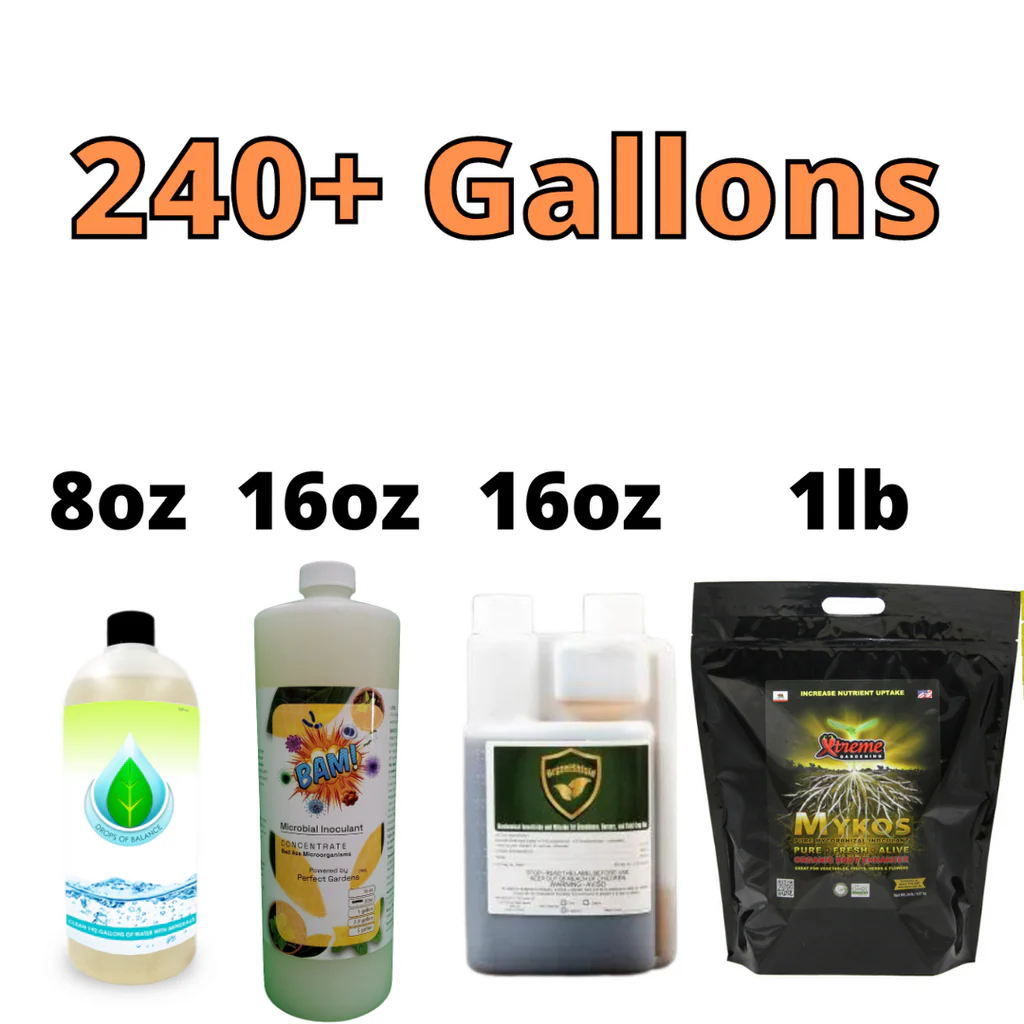
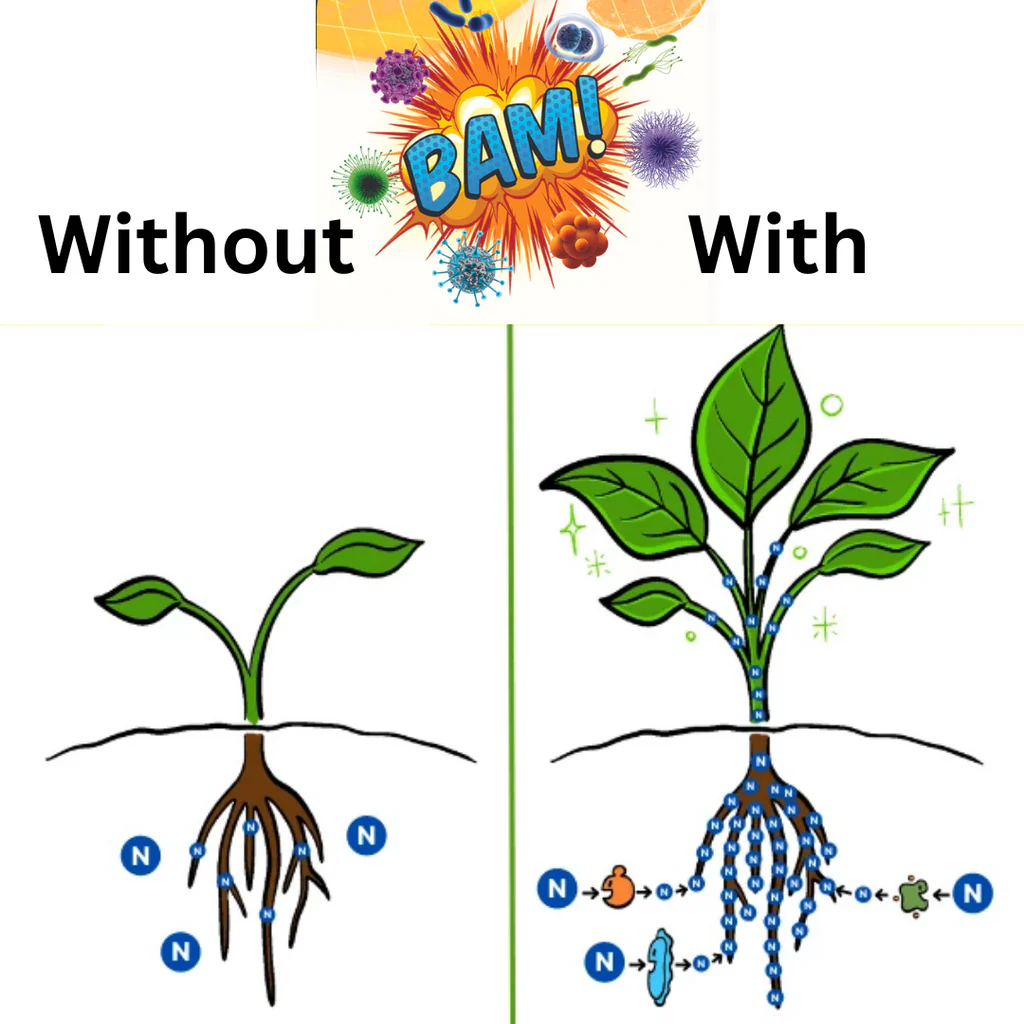
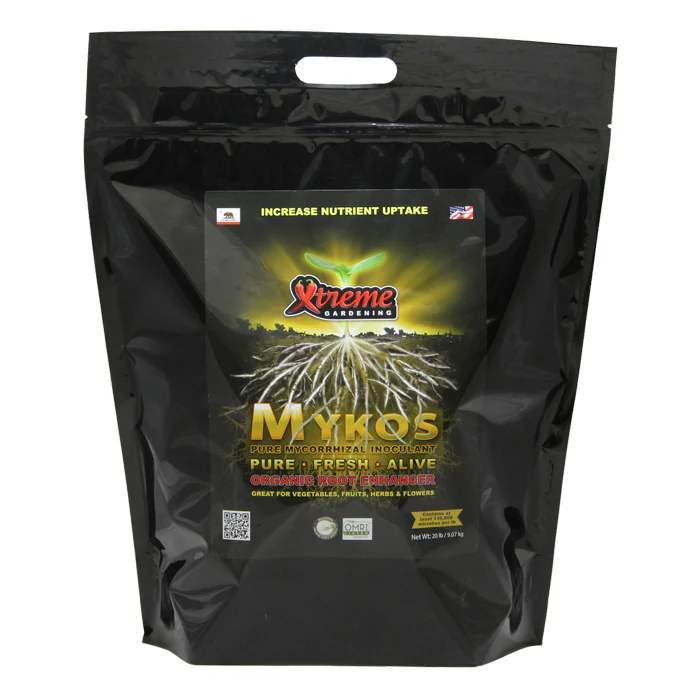
Did you use a microbial inoculant this year? If not, you likely missed out on significant yield. Mycorrhizae, like Xtreme Gardening Mykos, create a secondary root system that helps the plant pull in nutrients and water that would otherwise be out of reach.
The Soil Review Checklist:
- pH Levels: Did you test your runoff? Keeping your pH between 6.0 and 7.0 in soil is critical for nutrient uptake.
- Nutrient Salt Buildup: If you used heavy synthetic nutrients, did you flush? Salt buildup can lock out nutrients, making your plant look hungry even when the soil is full of food. Using a product like FoxFarm SledgeHammer can help clear those salts out.
- Compaction: Was your soil too tight? Roots need oxygen. Next year, consider adding more perlite or coco coir to improve aeration.
5. Pest and Disease Management: Were You Proactive?
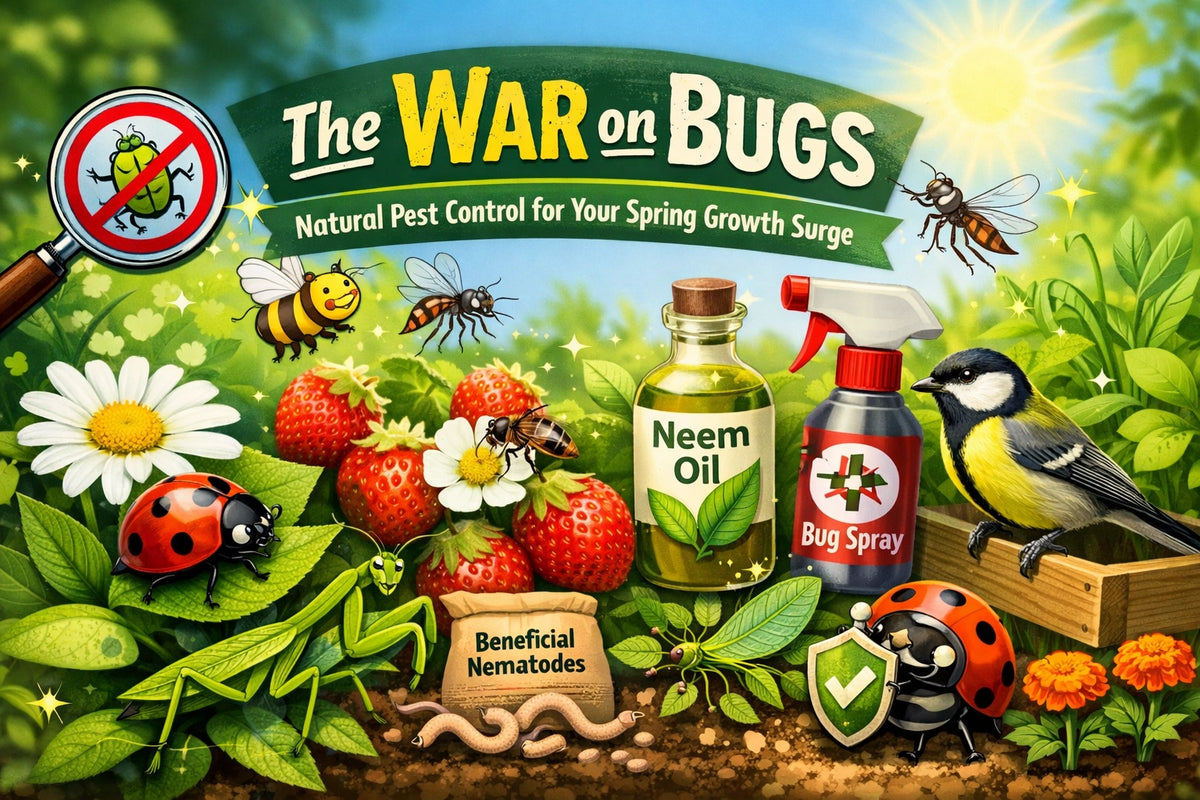
The biggest mistake growers make is waiting until they see a bug to start an Integrated Pest Management (IPM) program. By the time you see a spider mite web, you’re already in deep trouble.
Reflect on what hit you this year. Was it caterpillars? Aphids? Whiteflies? Note down when they appeared. Pests usually follow a cycle. If you know the aphids arrive in July, you can start applying organic preventatives in June.
Caution: Don't spray heavy oils or chemicals late in flower. It ruins the taste and can be a health hazard. If you struggled with pests during harvest, focus on grow help strategies that prioritize physical barriers and beneficial insects for next season.
6. Harvesting and Post-Harvest Lessons
The grow doesn't end when you chop the plant. In fact, many summer grows are ruined in the final two weeks.
Did you harvest too early? Using a jeweler's loupe to check trichomes is the only way to be sure. If your buds were harsh or smelled like hay, your drying and curing process likely failed. Drying in a space that is too hot (a common summer problem) will flash-dry the buds, evaporating the terpenes and leaving you with a sub-par product.

If the harvest felt overwhelming, tools like the Bubble Magic Dry Trimming Bag can save you hours of manual labor. Speeding up the processing time is essential if you're dealing with a large outdoor harvest and limited climate-controlled space.

7. Structural Support: Did Your Branches Hold Up?
There is nothing more heartbreaking than a summer storm snapping a branch laden with heavy buds just two weeks before harvest. If you were out there with duct tape and bamboo stakes at the last minute, you need a better structural plan.
Next year, consider:
- Trellising: Using Scrog (Screen of Green) nets to spread the canopy and support the weight.
- Caging: Tomato cages or heavy-duty wire frames for larger bushes.
- Windbreaks: If your location is windy, plan for a natural or artificial windbreak to protect the stalks.
Summary: Building Your Grow Journal
The fact of the matter is, we all forget the details by the time next spring rolls around. The most valuable tool in your garden isn't a light or a nutrient bottle: it's a notebook.
Write down:
- The date you germinated.
- The date you saw the first signs of flower.
- The exact nutrient dosages you used.
- When the first pest appeared.
- Total yield vs. expected yield.
By comparing your results side-by-side, you can see exactly where improvements were made. For instance, using beneficial microbes often shows a night-and-day difference in root health and overall plant vigor.
Growing is a journey of constant refinement. Whether this summer was your best harvest yet or a total learning experience, there is always room to optimize. Take the time this week to walk through your garden, look at your notes, and start dreaming about next season.
If you're ready to start prepping for a winter indoor run or want to stock up on essentials for next year, check out our Grow Essentials collection to stay ahead of the curve. Happy growing!



Leave a comment
This site is protected by hCaptcha and the hCaptcha Privacy Policy and Terms of Service apply.