

Hey guys, Mark here. If you’ve been growing for any length of time, you know that summer can be a brutal season for your garden. Whether you’re running a sophisticated indoor hydroponic setup or keeping things classic in a backyard greenhouse, heat is the ultimate enemy. We’ve all seen it: you walk into your grow room or garden at 2 PM, and your plants look like they’ve completely given up on life. They’re wilting, the leaves are drooping, and they just look… sad.
The common reaction is to dump more water on them, but sometimes that’s not the whole story. The fact of the matter is, your plants might have the water they need in the root zone, but they can’t get it to the leaves fast enough because their internal plumbing is failing under the stress.
That’s where Silica comes in. In the industry, we often call it the "secret ingredient" because, while it’s not technically classified as an essential nutrient like Nitrogen or Phosphorus, it’s the difference between a plant that survives the summer and one that actually thrives in it. Today, I want to break down why silica is your best friend when the mercury starts to rise.
What Exactly is Silica?
Before we get into the "how-to," let’s talk about the "what." Silica (Silicon) is one of the most abundant elements on Earth: it’s basically what sand and quartz are made of. However, plants can’t just eat a handful of sand. They need it in a soluble form, usually as monosilicic acid or potassium silicate, to actually absorb it through their roots.
In nature, plants get plenty of silica from the soil. But in hydroponics or many soilless peat/coco mixes, silica is often missing or present in very low amounts. This is a problem because, without it, your plants are essentially growing without "skeletal" support.

The Science of Heat Resistance: Strengthening the "Plumbing"
To understand why silica helps with heat, you have to understand how a plant moves water. Think of the plant’s vascular system: the xylem: like a series of drinking straws. During a hot summer day, the plant is transpiring (sweating) water out of its leaves at a rapid rate. This creates a suction force that pulls water up from the roots.
When the heat gets extreme, that suction becomes incredibly intense. If the cell walls of the xylem aren't strong enough, they can actually compress or collapse under the pressure. It’s like trying to drink a thick milkshake through a flimsy paper straw: the straw just flattens, and nothing gets through.
How Silica Fixes This:
- Vascular Integrity: Silica deposits itself directly into the cell walls of the xylem. It reinforces those "straws," turning them from flimsy paper into rigid PVC pipes. This prevents vascular compression, allowing the plant to keep moving water and nutrients even when the sun is blasting.
- Cell Wall Thickness: Beyond the plumbing, silica strengthens every single cell wall in the plant. This creates a tougher "skin" or epidermis.
- Water Retention: Because the cell walls are thicker and more robust, the plant is much better at holding onto the water it already has. It reduces unnecessary transpiration, which is crucial during a drought or a high-heat spike.
If you’ve ever noticed how some plants seem to stay upright and "turgid" while others collapse next to them, there’s a good chance the stronger plant has a higher silica content in its tissues.
More Than Just Heat: The "Armor" Effect
While we’re focusing on heat today, it’s worth mentioning that silica is basically like giving your plants a suit of armor. At Perfect Gardens, we always advocate for a holistic approach to plant health. Silica doesn't just help with temperature; it helps with almost every external stressor.
Pest and Disease Resistance
When you supplement with silica, you’re making it physically harder for bugs to eat your plants. Imagine an aphid or a spider mite trying to bite into a leaf that’s reinforced with microscopic bits of glass (which is essentially what silica is). It’s not a fun meal. Furthermore, fungal pathogens like powdery mildew have a much harder time penetrating the reinforced cell walls to take hold.
Cold and Drought Tolerance
It might seem counterintuitive, but the same mechanism that helps with heat also helps with the cold. By strengthening the cell membranes, silica helps prevent "cell rupture" when temperatures drop. It’s an all-season insurance policy for your garden.
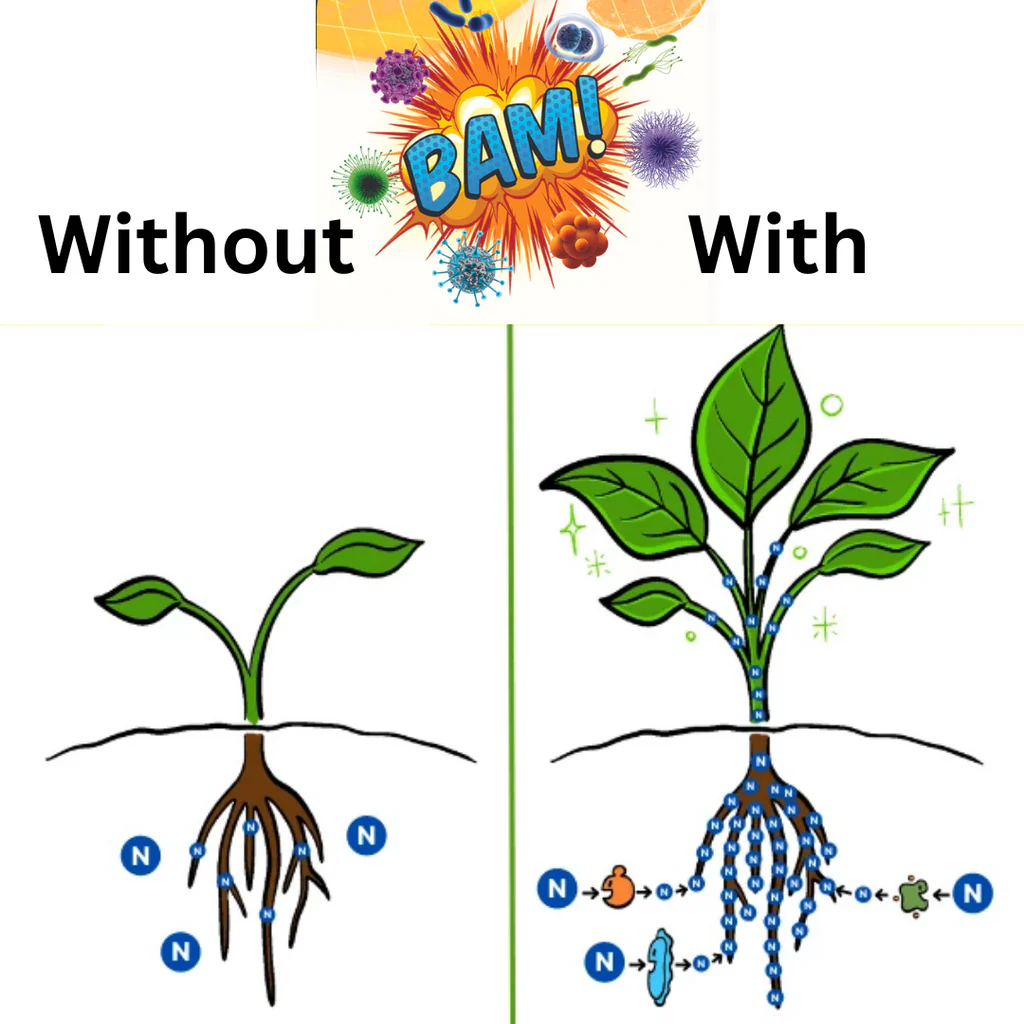
How to Add Silica to Your Regimen
If you’re ready to start using silica, you can’t just wing it. It’s a powerful additive, and it plays by its own set of rules. Here’s the step-by-step on how to do it right.
1. The pH Rule (Very Important!)
This is the number one mistake growers make. Silica is highly alkaline: it has a very high pH. If you add it to a nutrient solution that already has other fertilizers in it, it will likely cause "fallout" or precipitation. This means your nutrients will bind together and fall to the bottom of the reservoir as a sludge, making them unavailable to the plant.
The Golden Rule: Always add your Silica to your water FIRST. Stir it in well, then add your other nutrients. Afterward, you must check and adjust your pH, as the silica will have pushed it way up.
2. Monitoring Dosage
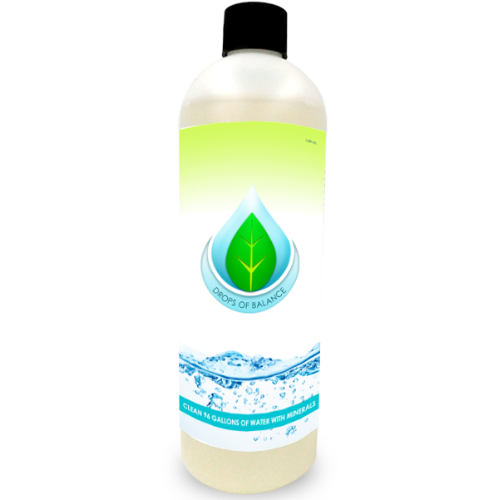
You don’t need a ton of silica to see results. Follow the bottle instructions, but generally, a little goes a long way. If you’re using a product like Drops of Balance, you're getting a broad spectrum of minerals that help with overall water quality and plant uptake, which complements a silica-heavy regimen perfectly.
3. Application Methods
- Root Drench: This is the most common. The roots soak it up, and the plant distributes it where it’s needed.
- Foliar Spray: You can actually spray a diluted silica solution directly onto the leaves. This is great for an immediate "boost" in strength and pest resistance, but be careful not to do this under direct, high-intensity LED lights to avoid burning the leaves.
Real-World Expectations and Pitfalls
It seems like silica is a miracle cure, but I want to be realistic with you. It’s not going to save a plant that hasn't been watered in three days in 100-degree heat. It’s a supplement, not a replacement for basic care.
Caution: Over-applying silica can sometimes lead to issues with the uptake of other nutrients, specifically calcium and magnesium, if the balance is too far off. This is why we recommend checking out our grow help videos to see how to balance a full nutrient line properly.
Also, remember that silica is a "bio-accumulator." Once it’s in the plant's cell walls, it’s there for good. You don't necessarily need to heavy-load it during the final weeks of flower, as the structural "bones" of the plant are already built by then. It’s most effective during the vegetative stage and the early transition to bloom.

Why We Recommend It
At the end of the day, we want you to have a successful harvest. There is nothing more frustrating than putting three months of work into a grow only to have a three-day heatwave ruin the quality of your buds or kill your garden entirely.
The fact of the matter is... the climate is getting more unpredictable. Whether you’re a hobbyist or part of our Army of Growers, having silica in your toolkit is just smart gardening. It’s a low-cost way to ensure your plants have the structural integrity to handle whatever the summer throws at them.
Final Thoughts
If you haven't tried silica yet, this summer is the perfect time to start. You'll notice your stems are thicker, your leaves are waxier and more upright, and your plants won't look like they're "panting" when the lights are at their brightest or the sun is at its peak.
If you have questions about which silica products work best with your specific setup: whether you're using soil, coco, or full hydro: don't hesitate to reach out. We're here to help. You can hit us up on our contact page anytime.
Keep those plants strong, keep the pH in check, and let's get through this summer with our best yields yet.
Happy Growing!
- Mark
CEO, Perfect Gardens


Leave a comment
This site is protected by hCaptcha and the hCaptcha Privacy Policy and Terms of Service apply.