

As the temperatures drop and the days get shorter, most gardeners think it’s time to hang up the boots and let the garden "sleep." There’s a common misconception that once the ground freezes or the grow room gets a bit chilly, biological activity just stops. The fact of the matter is, your soil is never truly "dead" unless you’ve neglected the very thing that keeps it alive: the microbiome.
In reality, winter is one of the most critical times to focus on microbial inoculants. Whether you are running an indoor setup trying to combat fluctuating humidity or you're prepping your outdoor beds for a massive spring comeback, keeping your microbes happy is the secret to plant resilience. At Perfect Gardens, we’ve seen time and again that growers who maintain their microbial life through the cold months have faster rebounds, stronger roots, and better nutrient availability than those who leave their soil to fend for itself.
Why Microbes Matter Even More When It’s Cold
When we talk about microbial inoculants: things like beneficial bacteria and mycorrhizal fungi: we usually focus on how they help plants grow faster during the peak of summer. But in winter, their role shifts from "growth boosters" to "survival specialists."
1. Natural Root Insulation
It sounds crazy, but a healthy microbial population actually helps insulate your roots. Beneficial microbes contribute to soil aggregation, which creates tiny air pockets in the medium. These air pockets act like the insulation in your attic, moderating temperature fluctuations.
Research has shown that microbial biomass generates a small amount of metabolic heat as it consumes organic matter. While it won't turn your garden into a sauna, it can raise the soil temperature by a few degrees. In a freezing environment, those few degrees are often the difference between a root system that survives and one that crystallizes and dies.
2. Maintaining Soil Structure
Winter often brings heavy moisture, snow, and ice, which can lead to soil compaction. Microbes produce "glues" like glomalin that bind soil particles together. This improved structure prevents the soil from becoming a compacted, oxygen-deprived brick. Without these microbes, your soil loses its ability to breathe, leading to root rot the second things start to thaw.

As you can see in the comparison above, the difference in root development is staggering. Plants on the right, supported by microbial inputs, have the mass and resilience to withstand environmental stress that would easily kill the plants on the left.
3. Nutrient Availability for Spring
Many nutrients, especially phosphorus, become "locked" in the soil when temperatures drop. Cold-tolerant microbes like Bacillus subtilis and Pseudomonas fluorescens continue to work even when activity slows down. They stay in the root zone, making sure that the moment the plant wakes up, a buffet of nutrients is already available. Studies suggest that inoculated soils can see a 100% increase in available phosphorus compared to untreated, cold-stressed soils.
The All-Stars of Winter Inoculation
If you’re looking to protect your garden this season, you need the right team. We recommend a "triple threat" approach: bacteria, fungi, and the food they need to survive.
BAM! (Beneficial Agricultural Microbes)
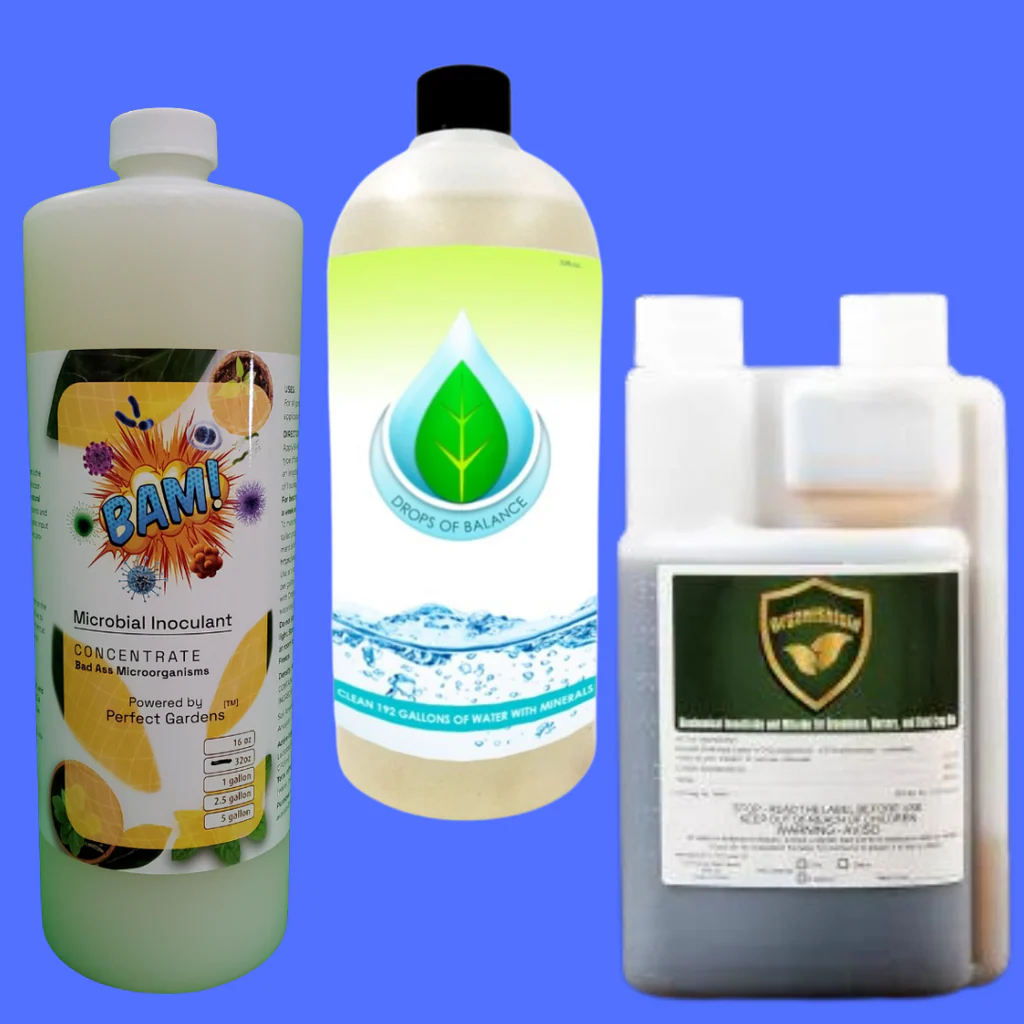
BAM! is our go-to for pretty much everything, but it shines in winter. It’s a proprietary blend of microbes that are designed to clean up the root zone and increase nutrient uptake. In the winter, BAM! acts as a "cleaner," breaking down any dying root matter or organic debris that could otherwise attract pathogens during the damp months.
Xtreme Gardening Mykos
While bacteria (like those in BAM!) are the "workers," mycorrhizae are the "extension cords." Mykos helps expand the surface area of your root system. This is vital in winter because it allows the plant to reach deeper into the soil where temperatures are more stable and moisture is more consistent.
NPK Industries RAW Cane Molasses
You can’t just put the microbes in the soil and expect them to work for free. They need energy. In the summer, plants provide carbon to microbes through root exudates. In the winter, when plant metabolism slows, the microbes need an external food source. Adding a bit of RAW Cane Molasses provides the simple sugars necessary to keep the microbial colony active and reproducing even when the plant is dormant.
Practical Guide: How to Apply Inoculants in Winter
Applying microbes isn't complicated, but doing it right ensures you aren't wasting money. Here is a step-by-step guide for winter application.
Step 1: Purify Your Water
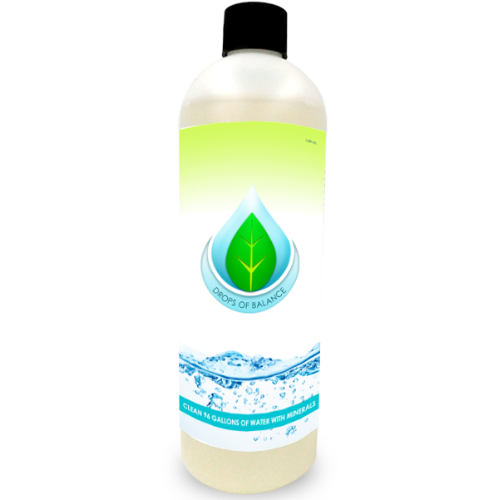
Before you add your expensive microbes, you need to make sure your water isn't going to kill them. Most tap water contains chlorine or chloramines designed to kill bacteria. If you pour that straight onto your soil, you’re wiping out the very "good guys" you’re trying to introduce. Use Drops of Balance to mineralize and purify your water first.
Step 2: The "Winter Tea" Mix
You don't need a complex brewing setup in the winter (unless you're using a Vortex Brewer for large-scale ops), but a simple "spike" of microbes works wonders.
- Mix 1 teaspoon of BAM! per gallon of purified water.
- Add 1/2 teaspoon of RAW Cane Molasses.
- If you're planting or transplanting, dust the root ball directly with Mykos.
Step 3: Application Method
For indoor growers, you can use a standard watering can. However, for those with larger indoor rooms or outdoor greenhouses, we recommend a siphon system. The Perfect Gardens Garden Hose & Drip Siphon System allows you to treat up to 1,000 gallons of water with microbes and minerals effortlessly.

Step 4: Frequency
In the winter, you don't need to apply as often. Once every 2-3 weeks is usually plenty to maintain a healthy colony. Since plants drink less in the cold, you want to be careful not to over-saturate the soil.

Caution: Common Winter Pitfalls
While microbes are hardy, there are a few things that can ruin your efforts:
- Over-Watering: This is the #1 killer of indoor plants in the winter. Cold air holds less moisture, and plants transpire slower. If you keep the soil "sopping wet" to deliver microbes, you’ll cause anaerobic conditions that kill the beneficial bacteria and invite root rot. Always check the weight of your pots or use a moisture meter.
- Using High-Nitrogen Fertilizers: Don't try to force growth with heavy salts in the winter. High salt content can actually dehydrate and kill the microbes you're trying to establish. Stick to microbial inoculants and light organic amendments.
- Ignoring Soil Temperature: If your pots are sitting directly on a cold concrete floor, the microbial activity will be near zero. Elevate your pots or use a fabric raised bed with a liner to keep the root zone off the cold ground.
The Long-Term Investment
Investing in microbial inoculants during the winter isn't just about surviving the cold; it's about building "soil multifunctionality." Research suggests that consistent inoculation can enhance soil organic carbon accumulation by 0.2–0.4% annually. Over a few seasons, this creates a "sponge" of life that makes your garden almost bulletproof against pests, droughts, and freezes.
If you’re looking to get started with a complete system, we highly recommend checking out our Plant Nutrients Packages. These kits are designed to take the guesswork out of the process, combining the purifiers, the microbes, and the food they need to thrive.
The winter doesn't have to be a season of stagnation. By focusing on the life beneath the surface, you're ensuring that when the first signs of spring hit, your garden won't just be waking up: it will be ready to explode with growth.
Ready to boost your soil? Explore our full range of microbial inoculants and nutrients and give your plants the winter protection they deserve.



Leave a comment
This site is protected by hCaptcha and the hCaptcha Privacy Policy and Terms of Service apply.