
Blog
The No-Runoff Watering Method: Why Your Plants Need Oxygen, Not a Flush
Here's something that might challenge everything you thought you knew about watering your plants: more water doesn't mean healthier roots. In fact, that runoff coming out the bottom of your pot? It might be carrying away the very nutrients your plants desperately need.
The no-runoff watering method flips conventional watering wisdom on its head. Instead of drenching your plants and watching water pour out the drainage holes, this approach focuses on precise, daily watering that keeps your root zone oxygenated and your trace minerals exactly where they belong: in the soil, available to your plants.
Let's break down why this matters and how you can start implementing it today.
The 8-Hour Rule: Why Water Goes Stagnant
Here's the key to understanding water in general: water begins to stagnate after about 8 hours. This is especially true for regular tap water. When water sits in your root zone for extended periods without movement or replenishment, it loses its dissolved oxygen content and becomes a liability rather than an asset.
Think about it this way. Fresh water carries dissolved oxygen that your roots need to breathe and function properly. When that water sits too long, it becomes depleted of oxygen and can actually suffocate your root system rather than nourish it.
This is why the traditional approach of watering heavily every few days creates problems. You end up with cycles of:
- Oversaturation – Too much water, not enough oxygen
- Stagnation – Water sitting and becoming depleted
- Drought stress – Waiting too long between waterings
The no-runoff method eliminates this cycle entirely.
Fresh Oxygen Through Frequent, Small Waterings
Instead of watering a lot at once, the goal is to figure out exactly how much water your pot can absorb every day without any water ever coming out of the bottom. Once you nail that number, you simply water that amount daily.
What's happening here is pretty straightforward: every time you rewater, you're providing new oxygen to the root system. You're keeping your root zone oxygenated and preventing stagnated water from building up.

This is why it's so important to learn how to water as much as possible without flushing your root zone. The sweet spot is maximum hydration with zero runoff.
How to Calculate Your Pot's Daily Water Uptake
Finding your pot's exact daily water needs takes a bit of experimentation, but it's not complicated. Here's a practical method:
Step 1: Start with a baseline
Water your plant thoroughly and let excess drain completely. Wait 24 hours.
Step 2: Weigh your pot
Use a simple scale to get the weight of your pot after that 24-hour period. This is your "baseline dry" weight.
Step 3: Add measured water
Add a specific, measured amount of water (start conservative: maybe 10-15% of your pot's volume).
Step 4: Check for runoff
If any water comes out the bottom, you've added too much. Note this amount as your upper limit.
Step 5: Monitor and adjust
Over the next few days, track how much water you can add without any runoff. Your plants will also tell you: healthy, turgid leaves mean you're on track.
Step 6: Dial it in
Once you find the amount your pot absorbs completely each day, stick with that number. Consistency is the goal here.
The fact of the matter is, most people are overwatering. Once you figure out your daily uptake number, you might be surprised how little water your plants actually need when it's delivered consistently.
Why Flushing Hurts More Than It Helps
Here's where things get really interesting. Every time you flush your root zone: whether intentionally or through overwatering: you're washing away trace minerals that are absolutely vital for plant health.
Trace minerals are incredibly small. They will flush right out of your system with excess water. And here's the problem: those minerals don't just sit around waiting to be used. They're part of a complex biological process that operates on a 24-hour cycle.

Every 24 hours, bacteria in your root zone produce enzymes using minerals as co-factors. If those trace minerals get flushed out, the bacteria can't create the enzymes your plants need. It's a chain reaction that starts with water management.
The 24-Hour Enzyme Cycle: Exudates, Bacteria, and Minerals
Let's dig deeper into what's actually happening in your root zone. This is where plant biology gets fascinating.
Your plants communicate their needs through exudates: substances released through the root system. These exudates are essentially a communication system to the bacteria living in your soil or growing medium.
Here's the cycle:
- Plant releases exudates signaling what it needs
- Bacteria receive the signal and respond
- Bacteria create enzymes using minerals as co-enzymes
- Enzymes become available to the plant
The co-enzymes required for this process are minerals and trace minerals. Without them, the whole system breaks down.
What's really interesting is that these enzymes can get used hundreds of times before degrading. So there could be periods during veg or flowering where your plant needs to produce a specific set of enzymes that will be used for the lifetime of the plant.
As your plant ages, grows, and moves through its cycle: flipping to flower, for example: it's constantly navigating what it needs and communicating that through exudates. The bacteria respond, retrieve minerals, and create enzymes. But only if those minerals are actually present in the root zone.
The Mineral Gap: Why 13 Isn't Enough
Most fertilizer companies provide maybe 13 minerals. That's it. Thirteen.
But plants can utilize 60 or more different minerals and trace elements. So if 40 or 50 minerals aren't available in your root zone, what enzymes are being missed? What biological processes are compromised?
This is a massive gap that most growers don't even realize exists. You could have perfect lighting, perfect temperature, perfect pH: but if your mineral profile is incomplete, you're leaving performance on the table.
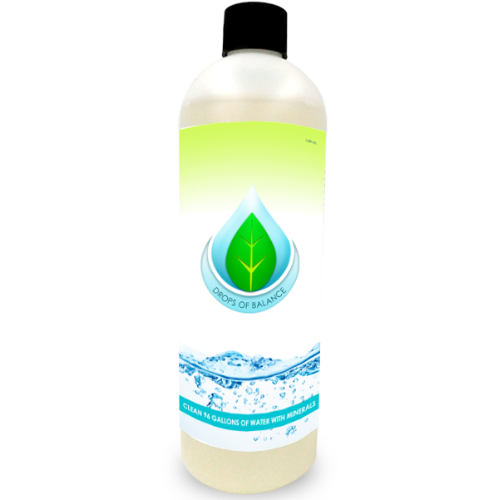
Those trace minerals need to stay in that pot versus being flushed out. They need to remain in the residence sphere of those bacteria so they can be retrieved when needed. Flushing makes that impossible.
Why Drops of Balance Changes the Game
This is exactly why Drops of Balance is such a game-changer for growers who understand this system.
Drops of Balance contains 60+ ionic sulfate trace minerals that are:
- Water soluble – Immediately available in your growing medium
- In sulfate form – Ideal for bacterial uptake and enzyme creation
- Ionic – Small enough to be readily absorbed and utilized
Compare that to standard fertilizers with their 13-mineral formulas, and you start to see the difference. You're not just adding nutrients: you're completing the biological toolkit your root zone needs to function at its highest level.
When you combine the no-runoff watering method with a complete mineral profile, you create conditions where:
- Trace minerals stay in your root zone
- Bacteria have access to all the co-enzymes they need
- Enzyme production happens on schedule
- Plants can communicate and receive exactly what they need
Putting It All Together
The no-runoff watering method isn't complicated, but it does require you to pay attention and dial in your specific setup. Here's your action plan:
- Calculate your daily water uptake using the method above
- Water consistently every day with that exact amount
- Eliminate runoff entirely to preserve trace minerals
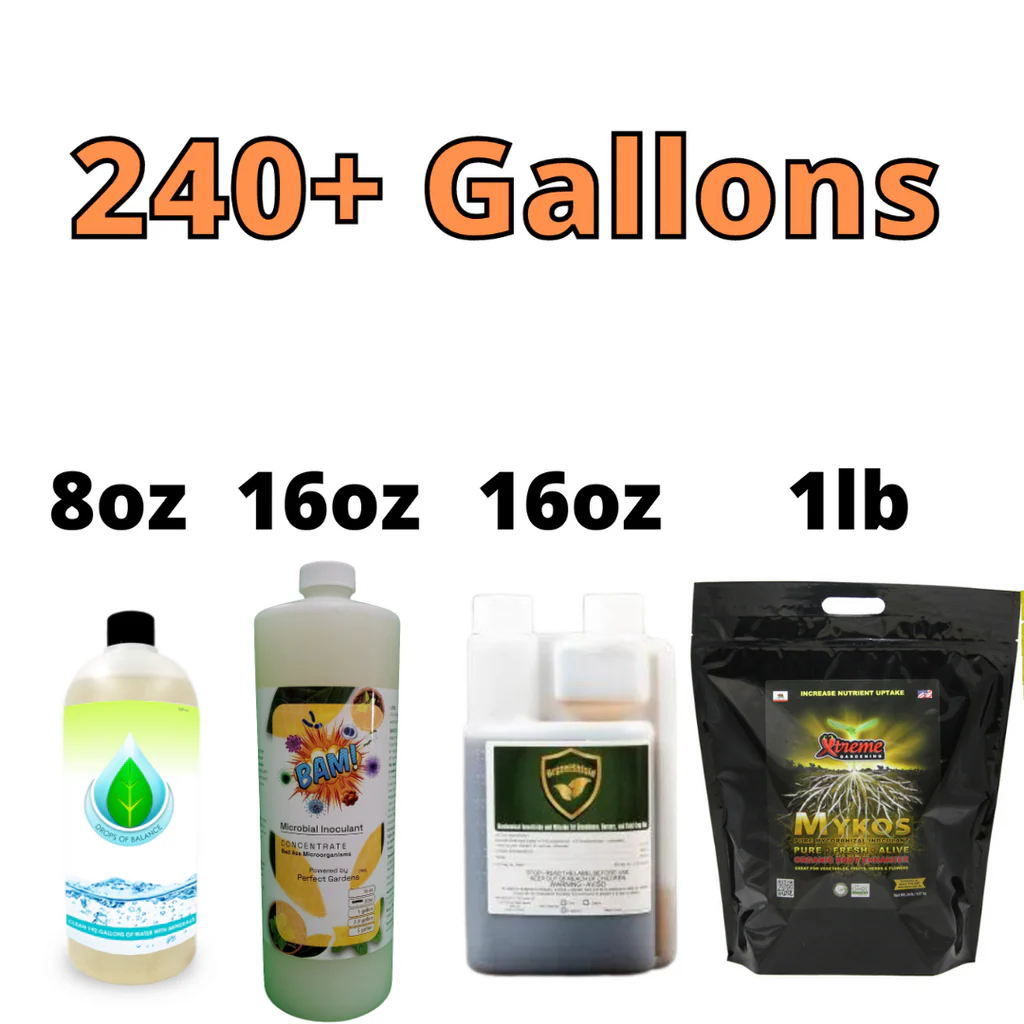
- Supplement with complete minerals like Drops of Balance to fill the 13-mineral gap
- Trust the process and let the biology do its work
Your plants need oxygen, not a flush. Fresh water delivered daily in precise amounts keeps roots breathing and minerals where they belong.
Ready to optimize your watering strategy? If you want personalized guidance on dialing in your setup, book a 30-minute grow tent consultation with our team. We'll help you figure out your exact daily water needs and build a mineral program that actually works.
For more deep dives into plant science and growing techniques, check out Perfect Gardens TV where we break down these concepts in even more detail.