
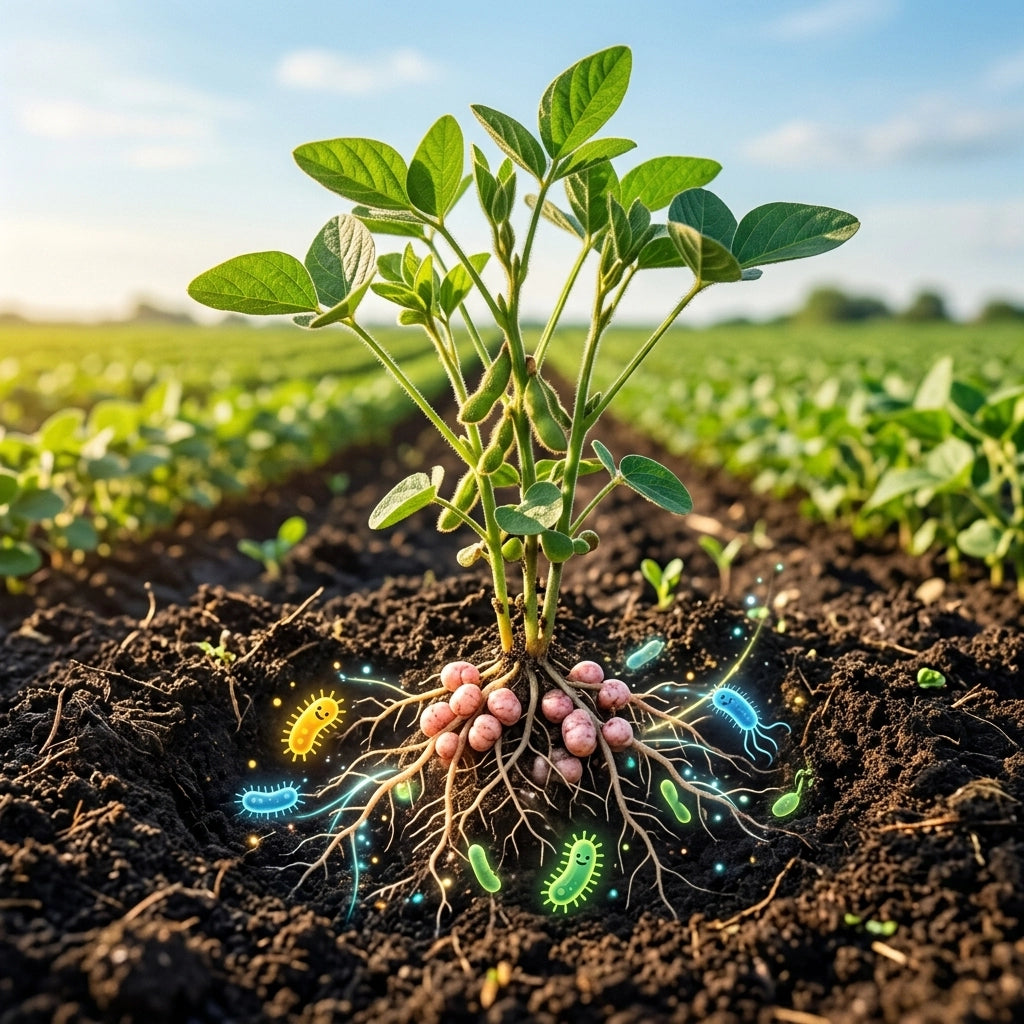
For a long time, the world of indoor gardening was dominated by a "feed the plant" mentality. You bought a bottle of NPK, mixed it in your reservoir, and hoped for the best. But the fact of the matter is, that’s only half the story. In nature, plants don’t live in a sterile environment, and they certainly don’t eat alone. They rely on a complex, invisible workforce of bacteria and fungi to do the heavy lifting.
This is where microbial inoculants come into play. If you've been looking for that "secret sauce" to push your yields to the next level, you’re likely looking for biology, not just more chemistry. At Perfect Gardens, we’ve seen time and again that growers who focus on the rhizosphere (the area of soil/water immediately surrounding the roots) see more resilient plants and heavier harvests.
What Exactly Are Microbial Inoculants?
Think of microbial inoculants as a "probiotic" for your garden. Just like you might eat yogurt to keep your gut health in check, you add beneficial microbes to your growing medium to create a thriving ecosystem. These products contain live cultures of bacteria or fungi: like Bacillus, Pseudomonas, or Mycorrhizae: that form a symbiotic relationship with your plants.
The goal isn't just to add "stuff" to the water; it's to colonize the root zone. Once these microbes set up shop, they start performing tasks that your plant simply can’t do on its own, such as breaking down complex minerals and fighting off pathogenic "bad guy" microbes.
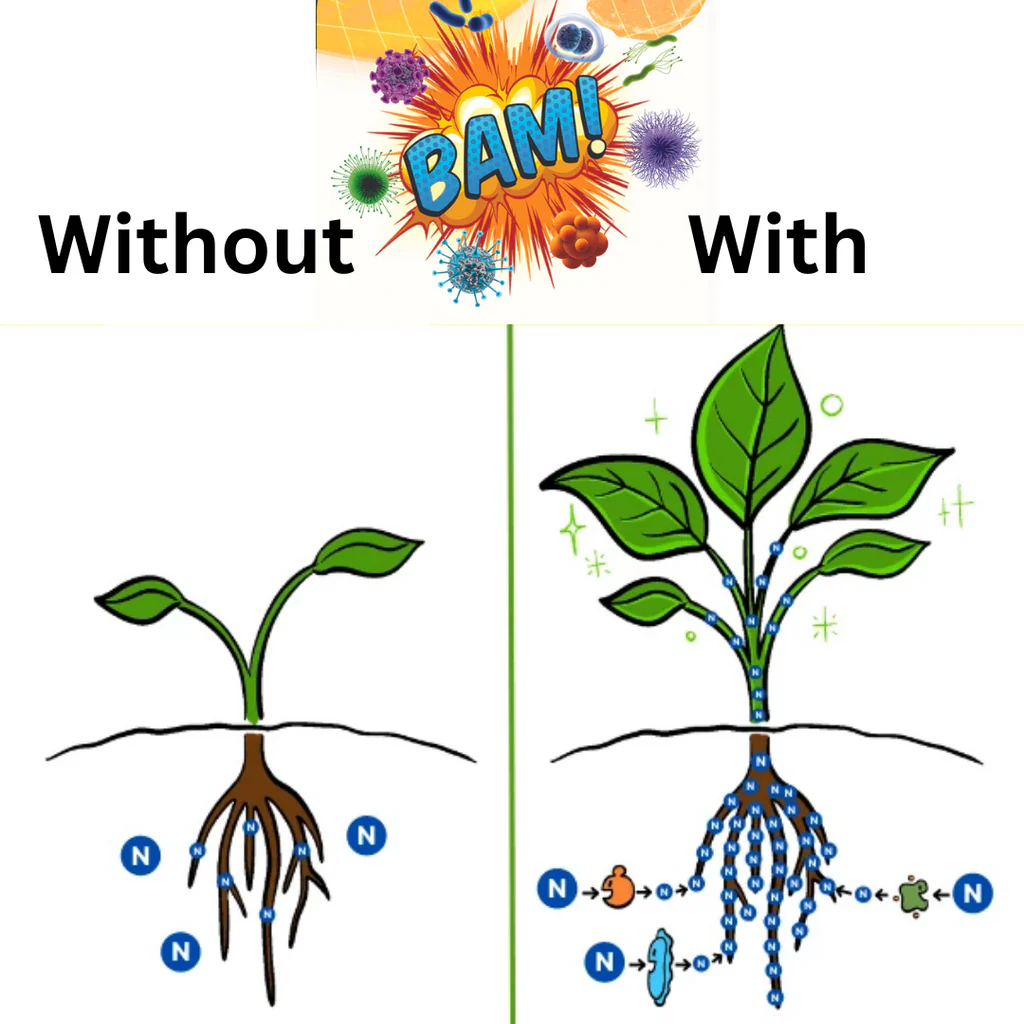
How Microbes Actually Increase Your Yield
It’s easy to say "microbes are good," but how do they actually put more weight on the scales at harvest time? Research suggests there are two main drivers: stress alleviation and nutrient availability.
1. Stress Alleviation (The 54% Factor)
Surprisingly, the biggest way microbes help isn't just by "feeding" the plant. A meta-analysis of nearly 100 peer-reviewed studies found that stress alleviation accounted for over 53% of yield enhancement.
Plants face stress every day: temperature swings, high salinity, drought, and pests. When a plant is stressed, it diverts energy away from flower production and toward survival. Microbial inoculants act as a buffer. For example, certain Pseudomonas species help plants withstand drought and salt stress, keeping the plant in "growth mode" even when conditions aren't perfect.
2. Unlocking "Locked" Nutrients
You could have the most expensive nutrients in the world, but if they aren't in a form the plant can absorb, they are useless. Many nutrients, especially phosphorus and trace minerals, like to "bind" to other elements in the soil or water, becoming unavailable to the roots.
Microbes like Enterobacter excel at solubilizing these nutrients. They produce organic acids and enzymes that break those chemical bonds, delivering the minerals directly to the plant. It’s like having a chef who pre-chews your food so you can digest it instantly.
The "Heavy Hitters" of the Microbial World
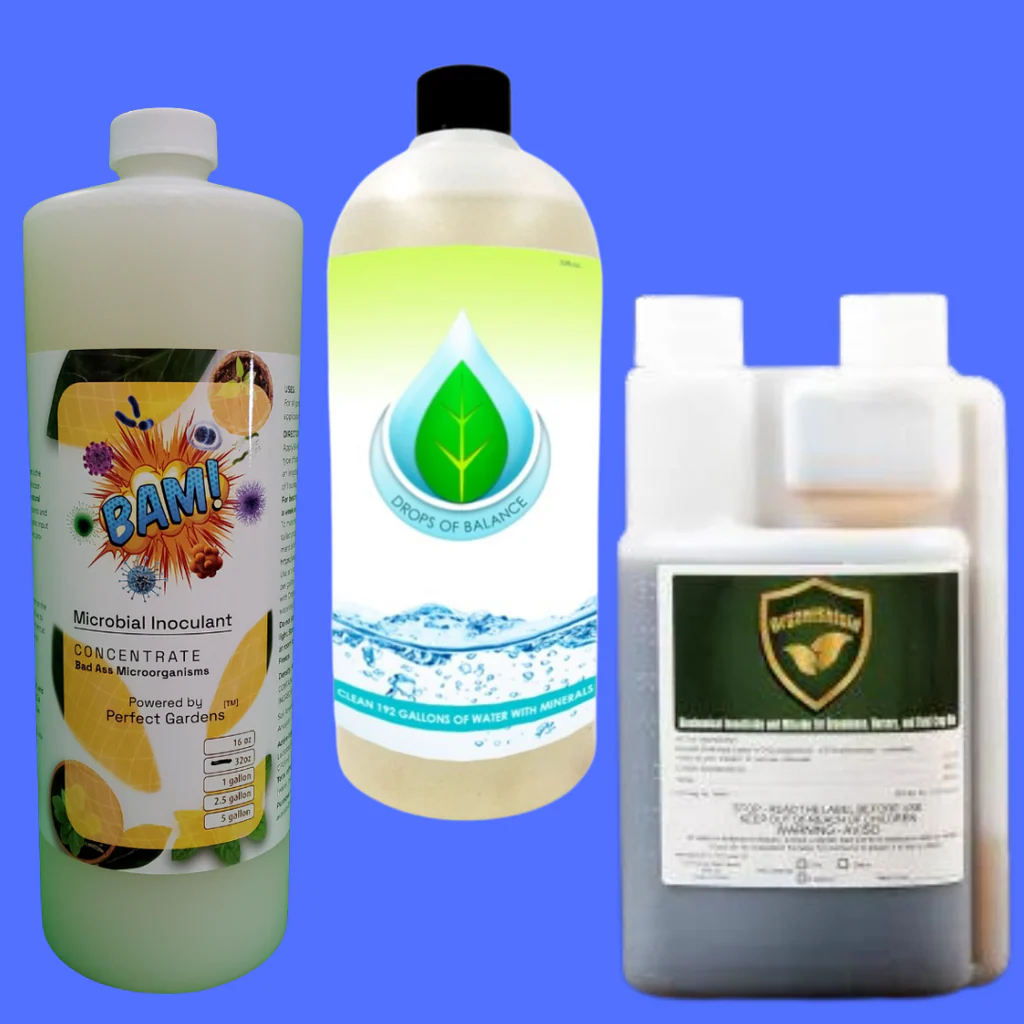
Not all microbes are created equal. When you are looking at a product label for something like BAM! Microbial Inoculant, you want to see specific names. Here are the ones that do the most work:
- Pseudomonas: These are the specialists in stress relief. They contribute to nearly 50% of overall yield improvements by helping plants deal with environmental "hiccups."
- Bacillus: Known for their antifungal properties, Bacillus species are the bodyguards. They help suppress root rot and other pathogens that can kill a crop before it even starts.
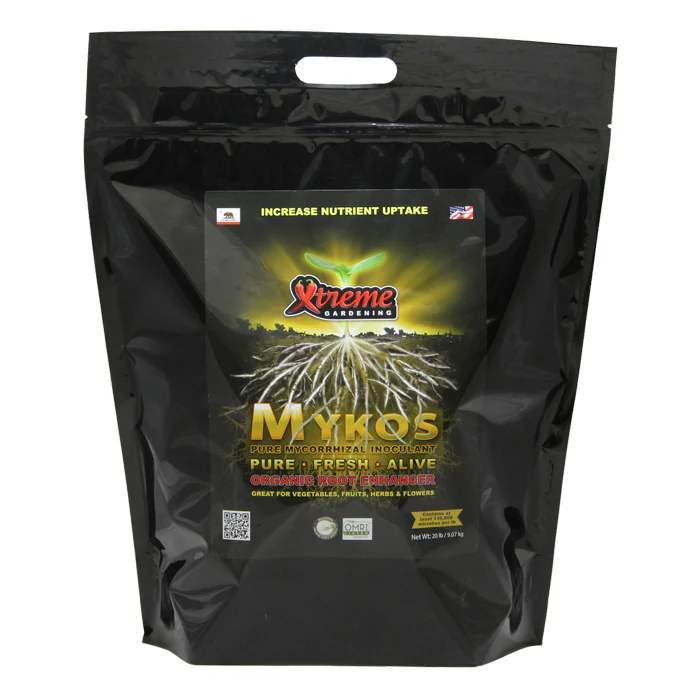
- Mycorrhizae: These are fungi that physically attach to the roots, extending the root system's reach by up to 100 times. If you want a massive root ball, you need Mykos.
- Azos (Nitrogen-Fixing Bacteria): These specialized microbes take nitrogen from the air and convert it into a form the plant can use. This is especially helpful during the vegetative stage when nitrogen demand is at its peak.
Applying Microbes in Hydroponics vs. Soil
A common misconception is that microbes are only for soil growers. That couldn't be further from the truth. In fact, microbial inoculants are often more important in hydroponics because the environment is naturally sterile.
In Soil and Coco
In organic or soil-based grows, your microbes act as the digestive system of the earth. You can apply them as a root drench or mix granular versions like Xtreme Gardening Mykos directly into the planting hole during transplanting.
In Hydroponic Systems
In hydro, you need to be a bit more careful. You want "clean" microbial products that won't gunk up your pumps or emitters. Using a liquid inoculant like BAM! is ideal here. One pro tip: if you are running a sterile reservoir (using heavy doses of bleach or hydrogen peroxide), you will kill your microbes. You have to choose a side: either run a sterile system or run a biological system. We generally recommend the biological route for better terpene profiles and plant health.
Feeding Your Microbes: Don't Forget the Molasses
Microbes are living organisms, and they need to eat. While they get some energy from the plant's root exudates (sugars the plant leaks out), giving them a supplemental carbon source can make them "pop."
Products like RAW Cane Molasses provide a quick hit of carbohydrates that fuels microbial reproduction. When you feed the microbes, the microbes feed the plant. It’s a cycle that leads to those dense, resinous flowers every grower is chasing.

A Reality Check: Limitations and Pitfalls
We’d be doing you a disservice if we said microbes are a magic bullet that works 100% of the time. There are a few things that can ruin your microbial "kickstart":
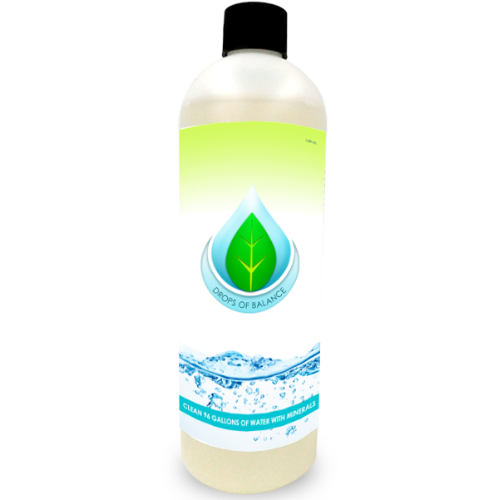
- Chlorine and Chloramines: Most tap water contains chlorine to kill bacteria. Unfortunately, it doesn't distinguish between "bad" bacteria in city pipes and "good" microbes in your garden. If you don't treat your water, you might be killing your inoculants as soon as you pour them in. This is why we recommend Drops of Balance or a quality filtration system to clean up your water first.
- Environment Matters: If your grow room is 95°F or your pH is wildly out of whack, the microbes will struggle just as much as the plants. They are living creatures; they need a stable environment to thrive.
- Inconsistency: Research has shown that in large-scale field trials, biofertilizers can sometimes be inconsistent based on local soil conditions. In a controlled indoor environment, you have a much better chance of success, but it still requires a balanced approach to nutrients and environment.
Why It Matters for the "Army of Growers"
At the end of the day, the goal of Perfect Gardens is to help the Army of Growers succeed with fewer chemicals and more sustainable practices. Using microbial inoculants isn't just about yield: it's about plant health and the quality of the final product.
When a plant is supported by a robust microbial community, it produces more secondary metabolites (the stuff that makes your herbs smell and taste great). You aren't just growing a plant; you're managing an ecosystem.
Summary Checklist for Using Microbes:
- De-chlorinate your water: Use Drops of Balance to ensure your water is safe for biology.
- Inoculate early: Start at the seedling or clone stage to establish colonies early.
- Diversify your species: Use a mix of Bacillus, Pseudomonas, and Mycorrhizae.
- Feed the biology: Add a carbon source like molasses to keep the population thriving.
- Watch the pH: Keep your reservoir in the 5.8–6.3 range to ensure both the plant and the microbes stay happy.
If you’re ready to see what biology can do for your garden, check out our Grow Help Videos for more deep dives into microbial life, or reach out to us on our Contact Page if you have specific questions about your setup. Happy growing!

Leave a comment
This site is protected by hCaptcha and the hCaptcha Privacy Policy and Terms of Service apply.