

If you’ve been hanging around the gardening world for a while, you’ve probably heard the term "mycorrhizae" thrown around. It sounds like something out of a high school biology textbook that you likely tried to forget, but in the world of high-performance gardening, whether you’re growing in soil or a hydroponic system, it’s easily one of the most important "secrets" to success.
The fact of the matter is that most growers spend a massive amount of time focusing on what they can see: the leaves, the stems, and the flowers. But the real engine of your plant’s health is tucked away in the dark, damp world of the root zone. Mycorrhizal fungi are the ultimate biological partners for your plants, and understanding how they work can be the difference between a mediocre harvest and a legendary one.
What Exactly is Mycorrhizae?
To put it simply, mycorrhizae is a symbiotic relationship between specialized fungi and plant roots. The word itself literally translates to "fungus-root" (myco = fungus, rhiza = root). This isn't a new-age gardening fad; this is an ancient partnership that has existed for over 400 million years. About 90% of all land plants form this relationship in nature.
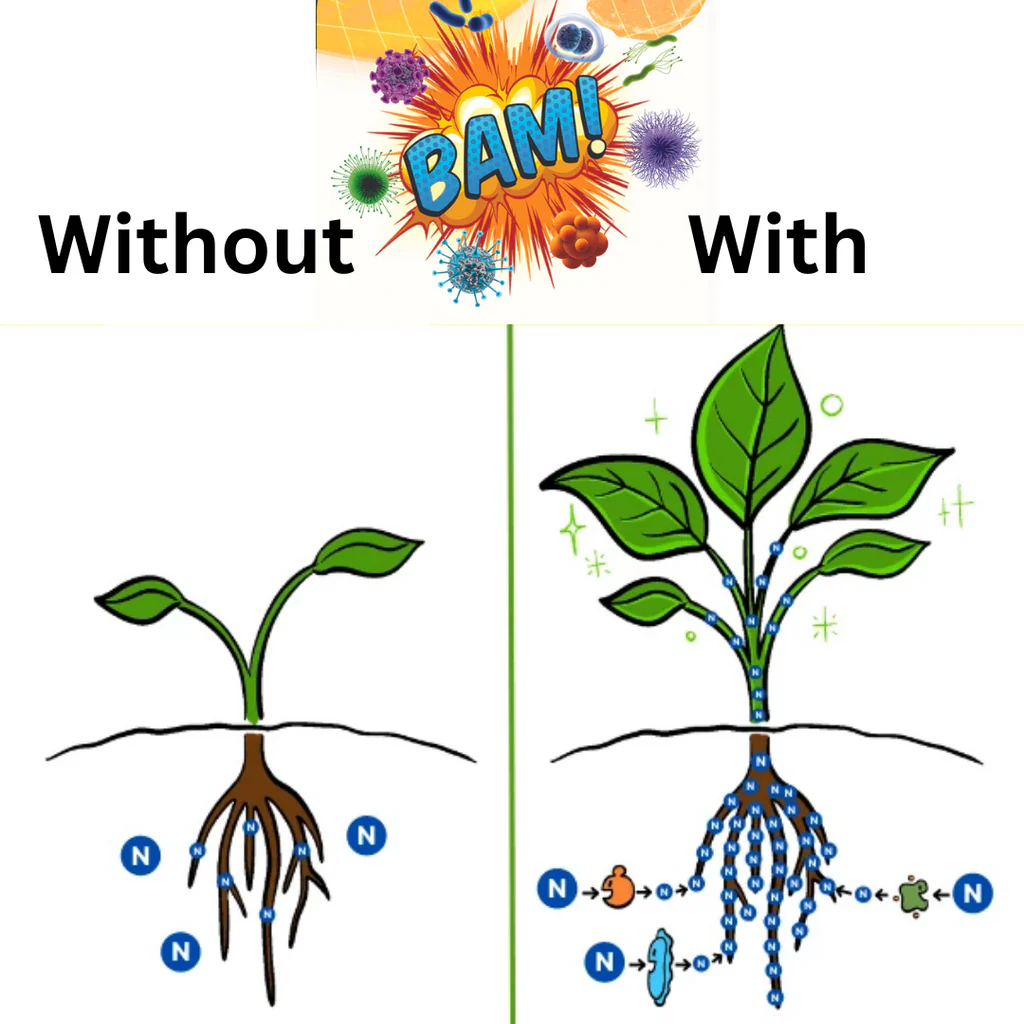
It’s not a parasite. A parasite takes without giving. This is a mutualistic relationship. The plant provides the fungi with sugars (carbon) that it creates through photosynthesis. In exchange, the fungi become a massive extension of the plant's root system, scavenging the soil for water and nutrients that the plant couldn't reach on its own.
The Biology: How the Symbiosis Works
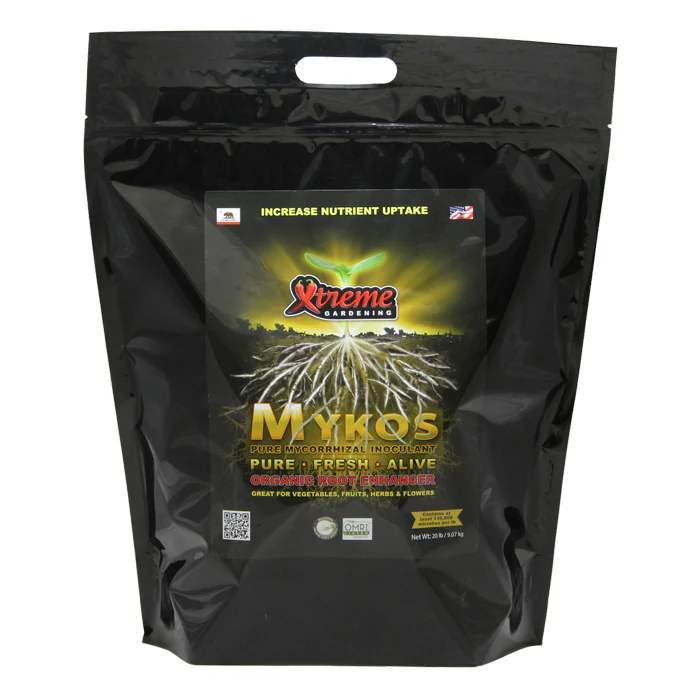
When you introduce a high-quality inoculant like Xtreme Gardening Mykos, the fungal spores germinate and begin to grow microscopic threads called hyphae. These hyphae are significantly thinner than the smallest plant root hair, often 10 to 100 times thinner.
Because they are so small, they can navigate into tiny soil pores that are physically impossible for a plant root to enter. There are two main types of mycorrhizae you’ll encounter:
- Endomycorrhizae: These actually penetrate the cell walls of the roots. This is the most common type and is what we use for almost all vegetables, fruits, and herbs.
- Ectomycorrhizae: These grow a "mantle" around the outside of the root and stay between the cell walls. These are typically associated with hardwood trees and conifers.
For the indoor gardener or the home hobbyist, you are almost always looking for Endomycorrhizae (specifically Arbuscular Mycorrhizal Fungi or AMF). Once they plug into the root system, they create a massive network of hyphae known as the mycelium.
Supercharging Nutrient and Water Efficiency
The primary reason growers use mycorrhizae is for the massive boost in nutrient uptake. If you think of your plant's roots as a highway, mycorrhizae are the thousands of small backroads and alleyways that bring resources from every corner of the soil to the main road.
Phosphorus: The Big Winner
Phosphorus is one of the "big three" nutrients (N-P-K), and it is notoriously difficult for plants to move. It’s "immobile" in the soil, meaning if it isn’t right next to a root hair, the plant can’t get it. Mycorrhizal fungi are experts at solubilizing phosphorus and transporting it directly into the root cells. This leads to faster growth and more explosive flowering.
Nitrogen, Zinc, and Copper
While phosphorus gets the most attention, mycorrhizae also assist in the uptake of nitrogen, potassium, and essential trace minerals like zinc and copper. These are vital for enzyme production and overall plant metabolism.
Drought Resilience
Because the fungal network can access water in micropores where roots can’t fit, mycorrhizal plants are much more resilient to drought. If you miss a watering or your hydroponic nutrients level drops too low, a colonized plant will hold onto its turgor pressure much longer than a "naked" plant.

Caption: A microscopic view of fungal hyphae extending from a plant root into the surrounding soil matrix.
The "Bodyguard" Effect: Disease Resistance
One of the most overlooked benefits of mycorrhizae is the physical and chemical protection they offer. When your roots are fully colonized by beneficial fungi, there is literally "no room at the inn" for harmful pathogens like Fusarium, Pythium, or Verticillium.
- Physical Barriers: The fungal mantle can physically block pathogens from reaching the root surface.
- Chemical Defense: Mycorrhizae can trigger the plant to produce its own defense chemicals (systemic acquired resistance). They also excrete enzymes that are toxic to soil-borne pests like certain nematodes.
- Structural Reinforcement: The presence of the fungi often leads to a thickening of the cell walls in the roots, making it harder for "bad" fungi to invade.
Using Mycorrhizae in Your Garden
To get the most out of these fungi, you need to use them correctly. It’s not like a liquid fertilizer where you just dump it in and hope for the best.
Root Contact is Key
Mycorrhizae are living organisms, not chemicals. For them to work, the spores must make physical contact with the roots. The best time to apply is during transplanting. You can dust the root ball or the planting hole with a product like Mykos. If you are starting from seed, placing the spores directly in the seed furrow or using a biodegradable seed starting plug infused with microbes is the way to go.
Feed the Microbes
Since the fungi are alive, they need food. While they get most of their energy from the plant, supplementing with a carbohydrate source can help the colony explode in size. Many pro growers use RAW Cane Molasses to provide a quick energy boost to the microbial life in the root zone.

Avoiding Common Pitfalls
While mycorrhizae are incredibly helpful, there are a few things that can kill your colony or prevent it from forming:
- Excessive Phosphorus: This is the most common mistake. If you use a high-phosphorus "bloom booster" fertilizer immediately, the plant will sense it has plenty of P and will refuse to "feed" the fungi. It basically says, "Why should I pay you in sugar for phosphorus I already have?" Keep P levels moderate during the early stages of colonization.
- Fungicides: This should be obvious, but many systemic fungicides will kill your beneficial mycorrhizae just as fast as they kill the bad stuff. If you have to use a fungicide, you will likely need to re-inoculate later.
- Soil Disturbance: Tilling your soil can tear the delicate mycelial network. This is why "no-till" gardening has become so popular, it preserves the fungal architecture from year to year.
Creating a Complete Microbial Ecosystem
Mycorrhizae don't work in a vacuum. For the best results, you want a diverse "Army of Growers" in your soil. Combining mycorrhizae with nitrogen-fixing bacteria (like Azos) and beneficial bacteria (like BAM!) creates a robust ecosystem that mimics nature.

A kit that includes Drops of Balance, BAM, and Mykos ensures that your water is clean, your minerals are available, and your roots are protected.
Is It Worth It?
The fact of the matter is that you can grow plants without mycorrhizae. People do it all the time with salt-based synthetic nutrients. However, if you want to maximize your plant’s genetic potential, increase your terpene and essential oil production, and create a garden that is more resilient to stress, mycorrhizae are non-negotiable.
It seems more like an insurance policy for your garden. For a relatively low cost, you are building a biological infrastructure that works for you 24/7.
If you’re ready to see what your plants can actually do when they have a million little partners helping them out, it’s time to start thinking about the life in your soil. For more tips on building the perfect root zone, check out our Grow Help Videos or reach out to us at Perfect Gardens. We’re always here to help you grow better.


Leave a comment
This site is protected by hCaptcha and the hCaptcha Privacy Policy and Terms of Service apply.