

When most growers look at their plants, they focus on the canopy, the lush green leaves, the thick stalks, and the developing flowers or fruit. But as any seasoned gardener at Perfect Gardens will tell you, the real magic happens where you can’t see it: underground.
The root system is the engine of your plant. However, even the healthiest roots have physical limitations. They can only reach so far and absorb nutrients that are in their immediate vicinity. This is where mycorrhizae for plants comes into play. By tapping into a 400-million-year-old biological partnership, you can effectively expand your plant's root reach by up to 100 times.
In this guide, we are going to deep dive into the science of mycorrhizal fungi, why they are essential for high-performance gardening, and how you can use them to supercharge your yields.
What Exactly is Mycorrhizae?
The term "mycorrhiza" (plural: mycorrhizae) literally translates to "fungus-root." It isn't a single organism but rather a symbiotic relationship between specialized soil fungi and plant roots.
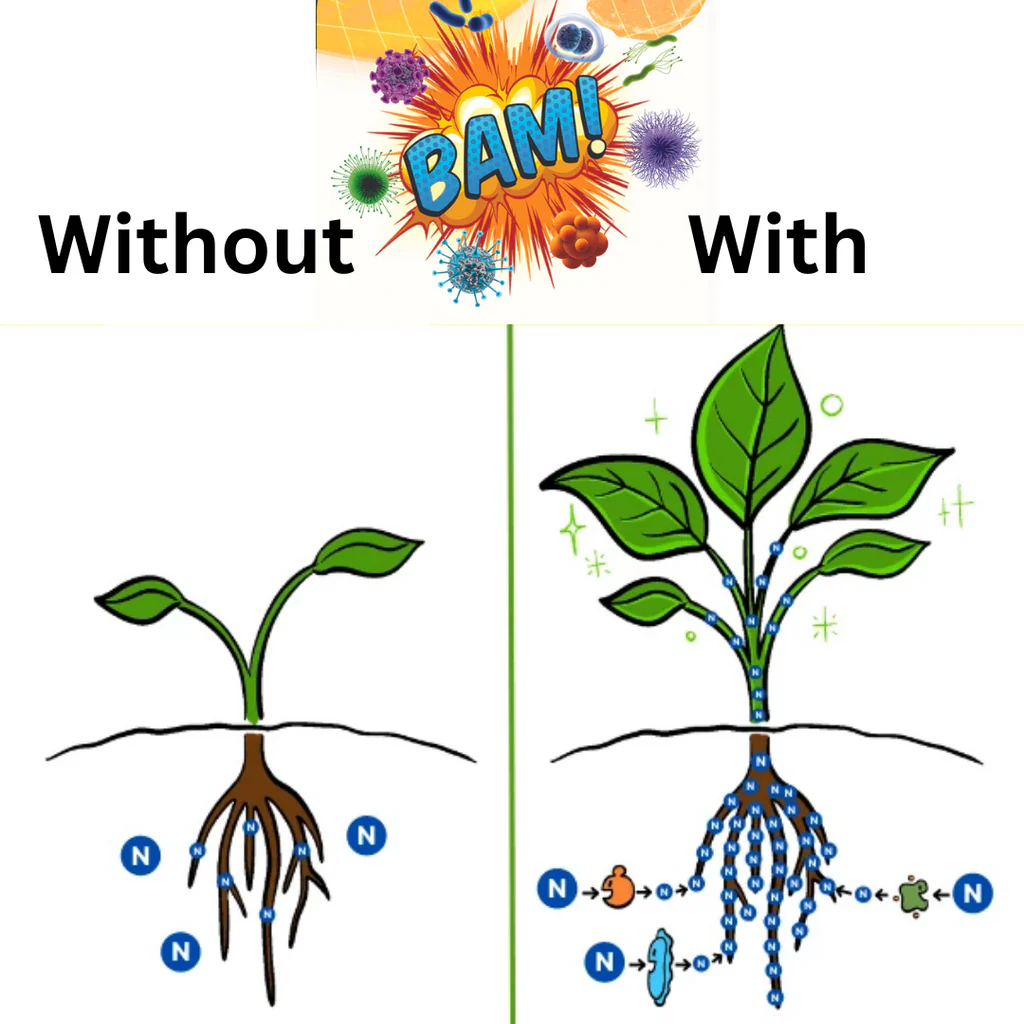
In nature, over 90% of all land plants form this relationship. The deal is simple: the plant produces sugars (carbohydrates) through photosynthesis and sends them down to the roots to feed the fungi. In exchange, the fungi act as a massive extension of the root system, mining the soil for water and nutrients, especially phosphorus, and delivering them directly back to the plant.
The Two Main Types: Endo vs. Ecto
If you’ve looked at beneficial microbes or inoculants, you’ve likely seen labels mentioning "Endo" and "Ecto" mycorrhizae. Understanding the difference is crucial for choosing the right product for your specific garden.
1. Endomycorrhizae (Arbuscular Mycorrhizae)
These are the most relevant for 95% of indoor and vegetable growers. The "Endo" fungi actually penetrate the cell walls of the roots, forming tiny tree-like structures called arbuscules inside the root cells. This creates a direct highway for nutrient exchange.
- Best for: Vegetables, fruits, flowers, herbs, and most annuals (including cannabis).
2. Ectomycorrhizae
These fungi do not penetrate the cell walls. Instead, they form a "Hartig net" around the outside of the roots, creating a visible sheath.
- Best for: Woody trees and shrubs like oaks, pines, and birches.
The takeaway: If you are growing in a hydroponic setup or a typical raised bed, you are almost always looking for Endomycorrhizae.
How Mycorrhizae Supercharge the Root Zone
The physical structure of a plant root is relatively thick. Even the tiny "root hairs" are massive compared to the filaments of the fungi, known as hyphae.
These hyphae are roughly 1/10th the diameter of a human hair. Because they are so incredibly thin, they can navigate into microscopic soil pores that a plant root could never touch. Think of it like this: if your plant's roots are a primary highway, mycorrhizae are the millions of tiny side streets and alleys that reach every single house in the city.
1. Unlocking "Locked" Nutrients
One of the biggest hurdles in soil is nutrient solubility. Elements like Phosphorus (P) bind tightly to soil particles, making them "immobile." Your roots can only absorb what they literally bump into. Mycorrhizae secrete powerful organic acids and enzymes that dissolve these mineral bonds, "melting" the nutrients into a form the plant can actually use.
2. Massive Surface Area for Water Absorption
In a drought or high-heat environment, a plant with a mycorrhizal colony has a massive advantage. The hyphae act as a secondary water-gathering network, pulling moisture from deep soil pockets that would otherwise be inaccessible. This significantly reduces transplant shock and increases the plant's overall resilience.

3. Creating "Glomalin" and Soil Structure
Mycorrhizal fungi produce a sticky protein called glomalin. This substance acts like "soil glue," binding tiny particles into stable aggregates. This improves soil aeration and drainage, ensuring your roots have the oxygen they need to thrive.
How to Apply Mycorrhizae for Maximum Effect
To get the most out of mycorrhizae for plants, timing and placement are everything. Since the fungi need to physically touch the roots to establish the colony, simply watering it over the top of the soil is often the least effective method.
The Direct Contact Method
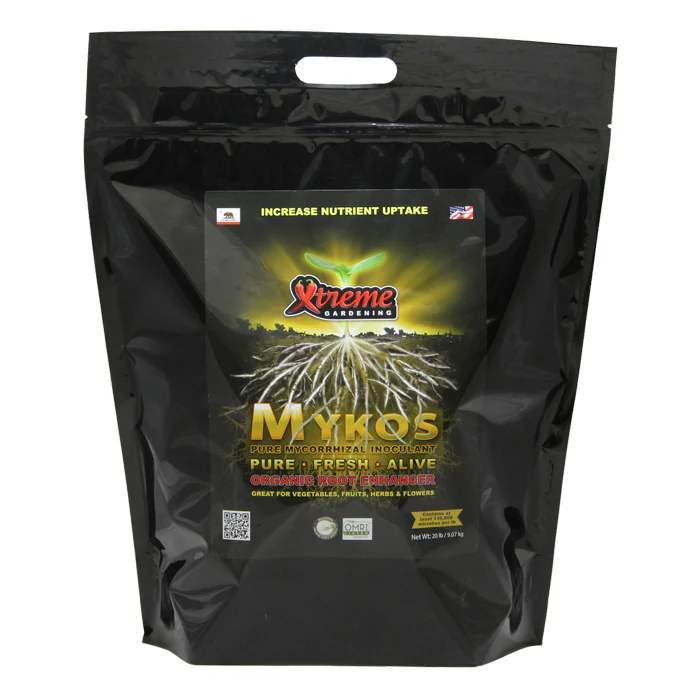
When transplanting a seedling or a clone from a seed starting plug, sprinkle the inoculant directly onto the root ball and into the planting hole. Products like Xtreme Gardening Mykos are industry standards for this. By ensuring the "dust" hits the roots directly, the colonization process begins immediately.
The Seedling Stage
You can also incorporate mycorrhizae into your Rockwool starter trays or coco coir early on. The earlier the relationship starts, the larger the fungal network will be by the time the plant enters the heavy flowering or fruiting stage.
Feeding the Fungi: The Role of Carbohydrates
Because mycorrhizae depend on the plant for sugar, you can actually "boost" the colony by providing supplemental carbon sources. This is where many growers use molasses or specialized microbial foods.

Using a product like RAW Cane Molasses provides an immediate energy source for the fungi, allowing them to expand their hyphal network faster than they could by relying on the plant alone. This is particularly helpful in the early stages of growth or during periods of intense plant stress.
Synergistic Microbes: BAM! and Beyond
While mycorrhizae are the "workers" that fetch nutrients, they work best in a diverse ecosystem. Combining them with beneficial bacteria can create a "super-soil" environment.
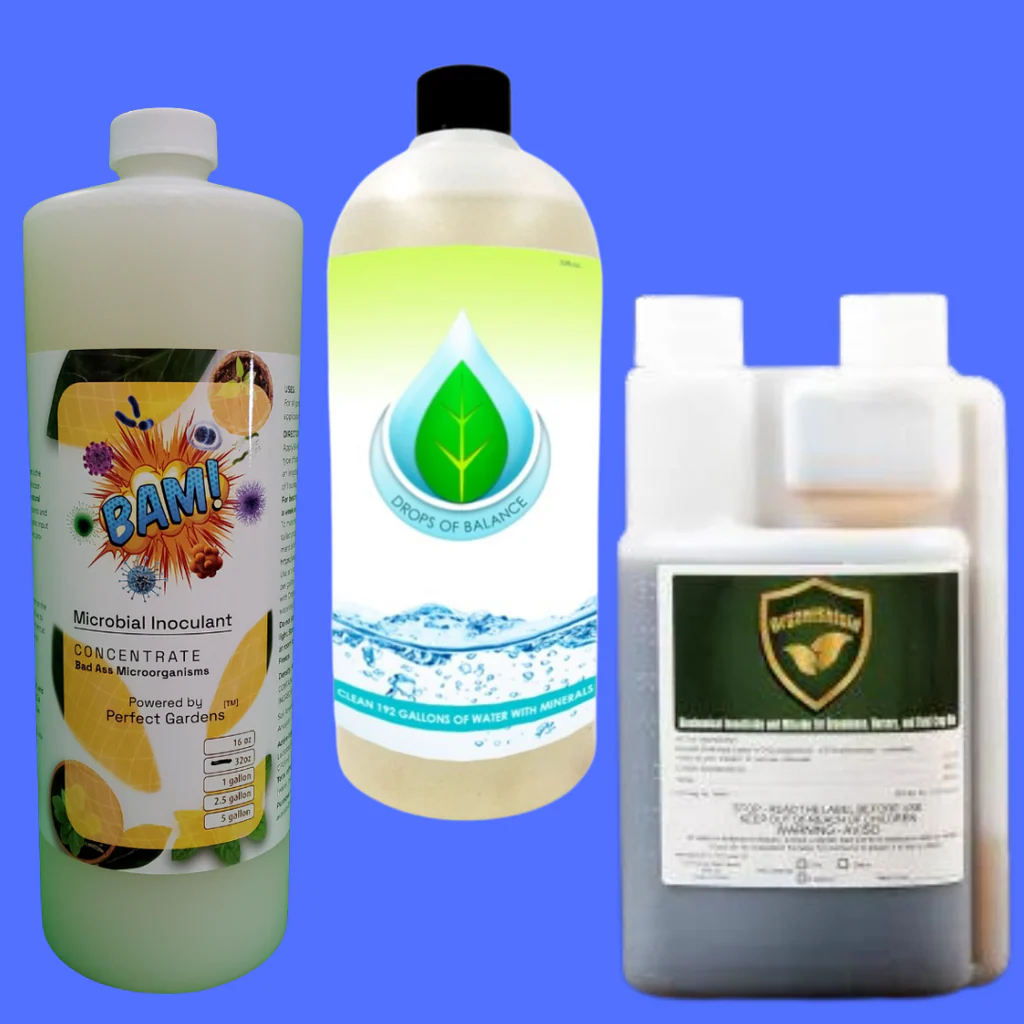
For example, BAM! (Beneficial Agricultural Microbes) by Perfect Gardens includes a wide array of bacteria and fungi that work alongside mycorrhizae. While the mycorrhizae focus on phosphorus and water, other bacteria in BAM! focus on nitrogen fixation and breaking down organic matter. Together, they create a comprehensive nutrient delivery system.
Common Pitfalls and Cautions
While mycorrhizae are incredibly beneficial, there are a few ways you can accidentally kill your colony or prevent it from forming:
- High Phosphorus Fertilizers: Ironically, if you give your plant too much synthetic phosphorus (especially in the early stages), the plant may decide it doesn't "need" the fungi. It will stop sending sugars to the roots, and the mycorrhizal colony will wither. Keep your "P" levels moderate when establishing the colony.
- Fungicides: This might seem obvious, but many "soil drench" fungicides designed to kill root rot will also kill your beneficial mycorrhizae. If you must use a fungicide, you will likely need to re-inoculate your soil afterward.
- Chlorinated Water: High levels of chlorine in tap water can inhibit microbial growth. If possible, use filtered water or let your tap water sit out for 24 hours to off-gas the chlorine before adding your microbes. Many growers use Drops of Balance to help condition their water for better microbial health.
- Tilling and Soil Disturbance: The hyphal network is fragile. If you are growing outdoors, heavy tilling rips these microscopic threads apart. No-till or low-till practices help maintain the fungal network year-over-year.
Is it Worth It for Hydroponics?
A common misconception is that mycorrhizae are only for soil. While they certainly thrive in organic soil, they are also highly effective in hydroponic systems, particularly those using coco coir or rockwool.
The fungi can attach to the roots even in a soilless medium, helping to regulate nutrient uptake and protecting the roots from pathogens like Pythium (root rot). In a hydro environment, the "Stress Tolerance" benefit of mycorrhizae is often the most valuable, as it provides a buffer against pH fluctuations and temperature swings in the nutrient reservoir.
Summary: The Root of Success
The science of mycorrhizae is a testament to how "working with nature" often yields better results than trying to force a plant to grow with chemicals alone. By introducing these beneficial fungi, you are essentially giving your plants a larger "brain" and a bigger "stomach."
If you want to see the difference for yourself, try a side-by-side test. Use a high-quality inoculant like Mykos or BAM! on half your garden and leave the other half as a control. You’ll likely notice faster growth, better color, and a plant that is much more forgiving of minor mistakes.
Ready to supercharge your root zone? Check out our full range of microbial inoculants and root enhancers at Perfect Gardens to get started today.



Leave a comment
This site is protected by hCaptcha and the hCaptcha Privacy Policy and Terms of Service apply.