
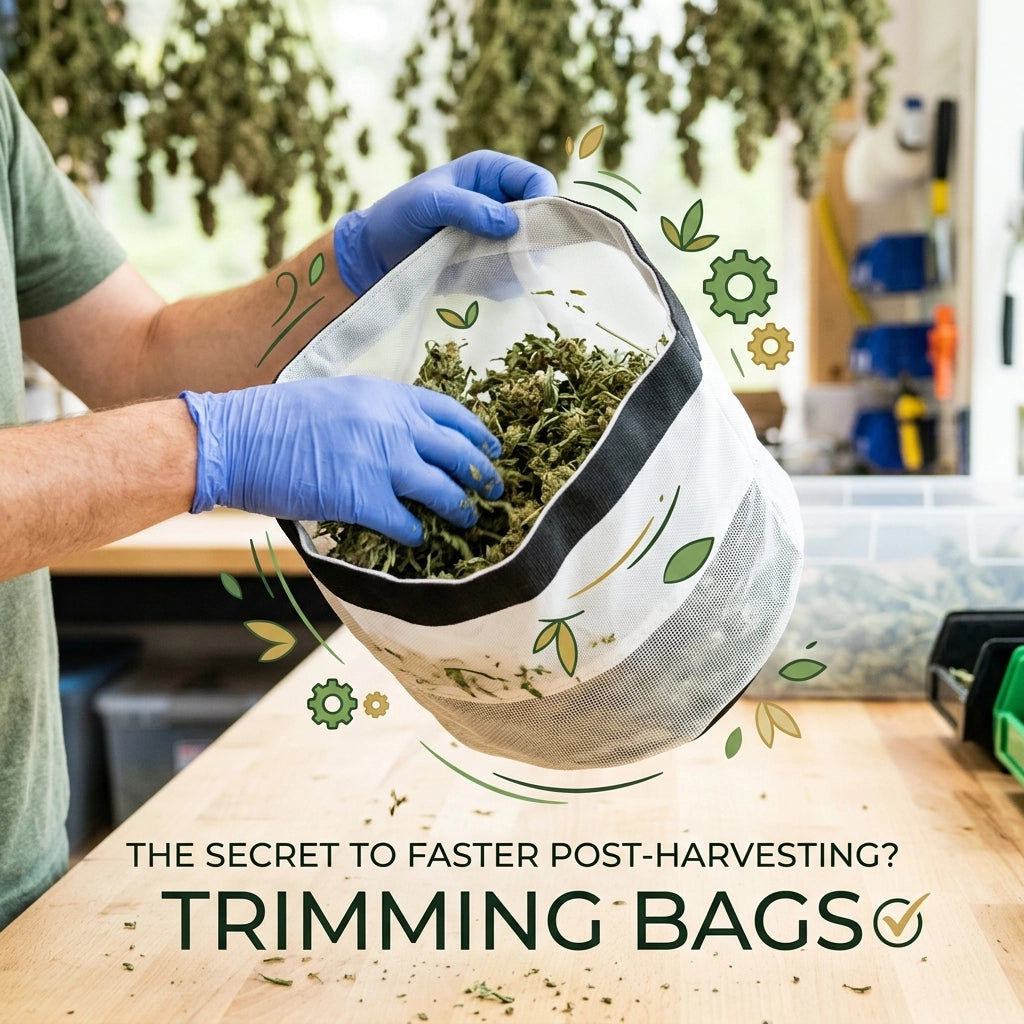
If you’ve ever spent sixteen hours straight hunched over a tray with a pair of sticky scissors, you know exactly what "Trimming Jail" feels like. It’s the bittersweet part of the hobby. You’ve spent months perfecting your nutrients, managing your LED lights, and dialling in your environment, only to be met with a mountain of manual labor at the very end.
For the average hobbyist, the harvest is supposed to be a celebration, not a back-breaking chore. This is where trimming bags have entered the scene, promising to slash hours: or even days: off the post-harvest process. But do they actually work, or are they just another "shortcut" that sacrifices quality?
The fact of the matter is that trimming bags have become one of the most talked-about tools in the indoor gardening community for a reason. Let’s dive into how they work and why they might be the secret to reclaiming your weekends.
What Exactly is a Trimming Bag?
Unlike expensive motorized trimming machines that use spinning blades and vacuum systems, a trimming bag is a low-tech, high-efficiency solution. It’s essentially a durable, collapsible bag: often made of heavy-duty nylon: designed to use friction to remove dried sugar leaves from your flower.
The most popular version you’ll see in the industry is the Bubble Magic Dry Trimming Bag. It doesn’t use electricity, it doesn’t have blades, and it weighs almost nothing. It relies on a "shake and sift" method. By placing dried material inside and rotating or shaking the bag, the brittle leaves break off and fall through a screen, leaving the manicured buds behind.

Why Speed Matters for the Hobbyist
For a commercial facility, trimming speed is about the bottom line. For a hobbyist, trimming speed is about life-work-garden balance. If you are growing four to six large plants in one of our grow tents, you could easily be looking at 20+ hours of hand-trimming.
When you use trimming bags, that 20-hour window can often be condensed into less than an hour of active work.
The Time Comparison:
- Hand Trimming: Roughly 1 lb every 4–8 hours (depending on skill level and bud density).
- Trimming Bags: Roughly 1 lb every 5–10 minutes.
It seems more like magic than a mechanical process, but it’s actually just physics. When your plant material is properly dried, the "crow's feet" and sugar leaves become brittle, while the bud itself remains dense and slightly resinous. The friction inside the bag is just enough to snap off the dry, brittle parts without destroying the flower.
The Secret to Efficiency: The Dry Trim Method
It is important to note that trimming bags are designed specifically for dry trimming. If you try to put freshly cut, "wet" branches into a trimming bag, you’re going to have a very bad time. The moisture makes the leaves flexible, and they will simply mush together instead of breaking off.
At Perfect Gardens, we always emphasize that the post-harvest process is just as critical as the growing phase. Using a trimming bag requires you to master the dry first. Once your branches snap instead of bend, you’re ready to bag.

How to Use a Trimming Bag: A Step-by-Step Guide
Using a trimming bag is straightforward, but there is a technique to it. You can't just throw everything in and go wild. Here is the most efficient way to handle it:
- Bucking: Remove the dried flowers from the main stems. You don't want big sticks in the bag as they can poke the mesh or prevent the buds from tumbling correctly.
- Loading: Fill the bag to about 1/2 or 2/3 capacity. Overfilling the bag prevents the "tumble" effect, which is what actually does the trimming.
- The Shake: Close the bag and rotate it. Most users find a "steering wheel" motion works best: turn it side to side, then give it a gentle toss. You aren't trying to beat the buds; you’re trying to let them rub against each other and the sides of the bag.
- The Sift: Most high-quality bags have a built-in screen. As the leaves break off, they turn into "trim." This trim falls through the mesh into a separate compartment.
- The Reveal: After 3–5 minutes of shaking, open the bag. You’ll find the majority of the leaves have been removed.
Is the Quality as Good as Hand Trimming?
This is the big question. If you are a "boutique" grower who wants every single trichome perfectly preserved and every bud shaped like a diamond, you might still prefer hand trimming. However, for 90% of home growers, the difference in quality is negligible compared to the massive gain in time.
The "blade-free" design of a trimming bag is actually gentler than many motorized trimmers. Since there are no metal blades spinning at high RPMs, there is less "scalping" of the flower. While you might lose a small percentage of outer trichomes to the friction, many growers find that the "trim" collected in the bottom of the bag is incredibly potent and perfect for making extracts or infusions using something like a Bubble Magic washing machine.
Caution: Common Pitfalls to Avoid
While trimming bags are a game-changer, they aren't foolproof. Here are a few things that could go wrong:
- Over-Drying: If your flower is too dry (below 50% humidity), the buds themselves can become brittle. In this case, the bag might break the buds apart into smaller popcorn pieces.
- Under-Drying: As mentioned, if it’s too wet, nothing happens. The leaves just stick to the bud.
- Too Much Force: It’s a trimming bag, not a heavy-duty workout. If you shake it too violently, you will damage the flower. Gentle, consistent movement is the key.
Post-Trim Management
Once the bag has done its job, your work isn't quite over. You’ll likely have a few "straggler" leaves on the bigger buds. Most growers do a "quick pass" with scissors after the bag to touch up the prize pieces. This still saves you 90% of the time.
After the trim, maintaining the right environment is vital. We recommend using 2-way humidity control packs to ensure your hard-earned harvest doesn't dry out further.

Are Trimming Bags Worth It?
If you are a hobbyist growing more than a couple of plants, the answer is usually a resounding yes. The cost of a trimming bag is significantly lower than a motorized unit, often paying for itself in a single harvest just by the value of your saved time.
At Perfect Gardens, we see a lot of growers start with hand scissors and eventually migrate to bags or machines as their gardens expand. It’s a natural evolution. If you want to focus more on the "growing" part and less on the "sitting in a chair for three days" part, the trimming bag is likely the secret weapon you’ve been looking for.
Final Thoughts
The post-harvest phase can be the most stressful time for a gardener. Between timing the dry and managing the trim, there is a lot that can go wrong. By incorporating tools like trimming bags, you simplify the workflow and reduce the physical toll of the harvest.
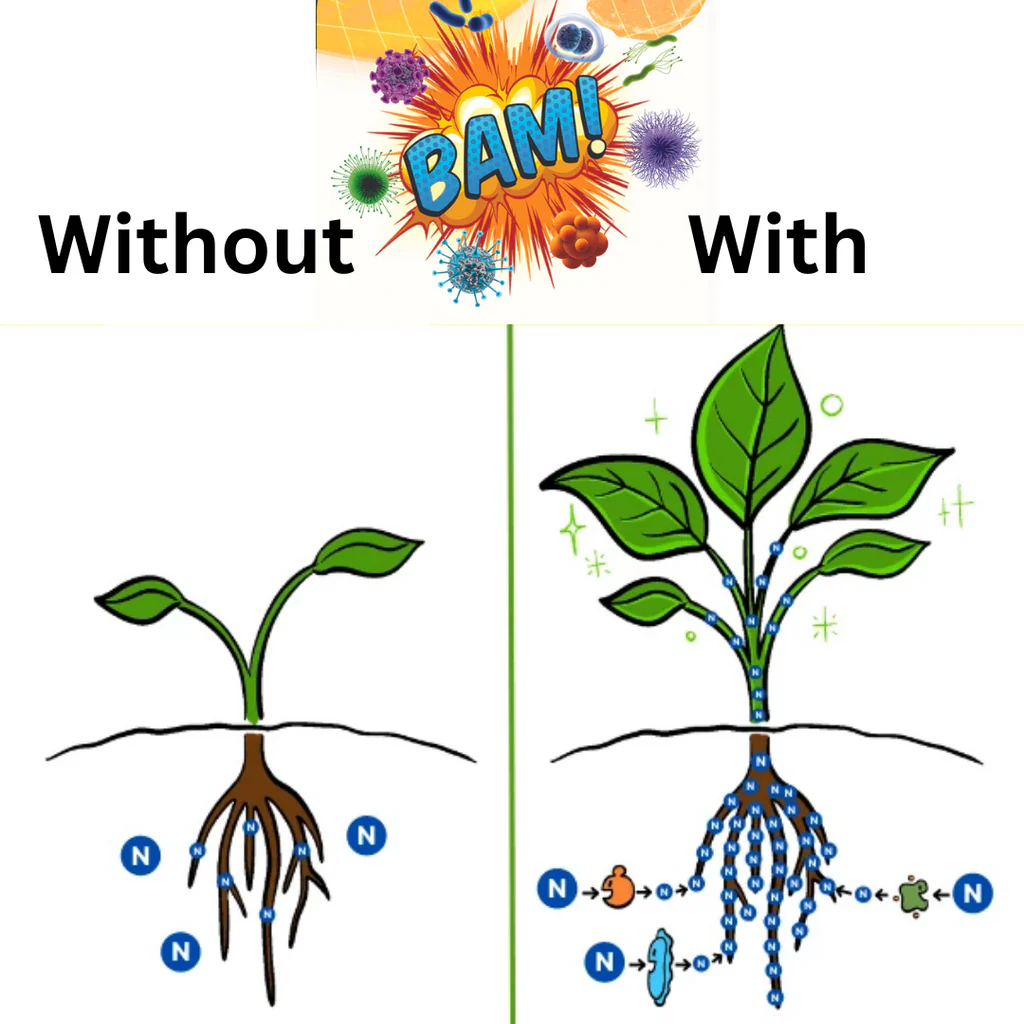
Remember, a healthy harvest starts with healthy roots. Whether you're using microbial inoculants to boost your yields or using a bag to speed up your trim, the goal is always the same: better results with less stress.
If you're ready to escape "Trimming Jail" this year, check out our selection of harvesting tools and hydroponic supplies. Your back (and your schedule) will thank you.



Leave a comment
This site is protected by hCaptcha and the hCaptcha Privacy Policy and Terms of Service apply.