

If you have been gardening for any length of time, you know the "feast or famine" cycle all too well. One day your plants are wilting because you forgot to water them before work, and the next day you’re drowning them in an attempt to make up for it. This inconsistent moisture level is one of the leading causes of stress for indoor plants.
In an indoor environment, where pots are often small and the air can be dry due to grow lights and ventilation, the margin for error is slim. This is where automatic watering systems move from being a luxury to a necessity. Whether you are running complex hydroponic systems or a simple soil-based tent, automating your hydration schedule can be the single most impactful change you make to your grow.
The Science of Consistency: Why Plants Love Automation
The fact of the matter is that plants crave stability. In nature, deep root systems can often tap into consistent groundwater. In a pot, the plant is entirely dependent on you. When you manual water, you typically wait until the top inch of soil is dry. By the time you notice this, the fine root hairs: responsible for the bulk of nutrient uptake: may already be starting to die back from dehydration.
When you finally soak the pot, the water often rushes through the dry channels in the soil and out the drainage holes, taking valuable nutrients with it. Then, the roots sit in a saturated, low-oxygen environment until the water evaporates or is used.
Automatic systems, particularly those using automatic watering stakes, break this cycle. They deliver small, steady amounts of water that keep the moisture level in the "Goldilocks zone": not too wet, not too dry. This consistency allows the plant to focus its energy on upward growth and fruit production rather than constantly recovering from environmental stress.
Spotlight on Blumat: The Power of Automatic Watering Stakes
When we talk about automation, many growers immediately think of expensive pumps, timers, and complex wiring. However, systems like Blumat have revolutionized the game for home growers. These automatic watering stakes operate on a simple but effective principle: hydrostatic pressure and osmosis.

The heart of the system is a ceramic cone. When the soil dries out, it pulls moisture from the cone, creating a vacuum that opens a valve to release water. Once the soil is moist again, the pressure stabilizes, and the valve closes.
Benefits of Stake-Based Systems:
- No Electricity Required: Most stake systems are gravity-fed, meaning you don't have to worry about a power outage killing your crop.
- Individualized Watering: Each plant gets exactly what it needs. A large, thirsty plant will trigger its stake more often than a small seedling next to it.
- Low Maintenance: Once dialed in, you simply need to keep your reservoir full.
Comparing Automation: Soil vs. Hydroponic Systems
It is important to understand that "automatic watering" looks different depending on your medium. In a traditional soil or coco-coir setup, you are usually looking for a "top-down" approach with stakes or drippers.
In contrast, complete hydroponic systems often use sub-irrigation or active recirculation. For example, a Bubble Flow Bucket system uses pumps to constantly move nutrient-rich water past the roots.
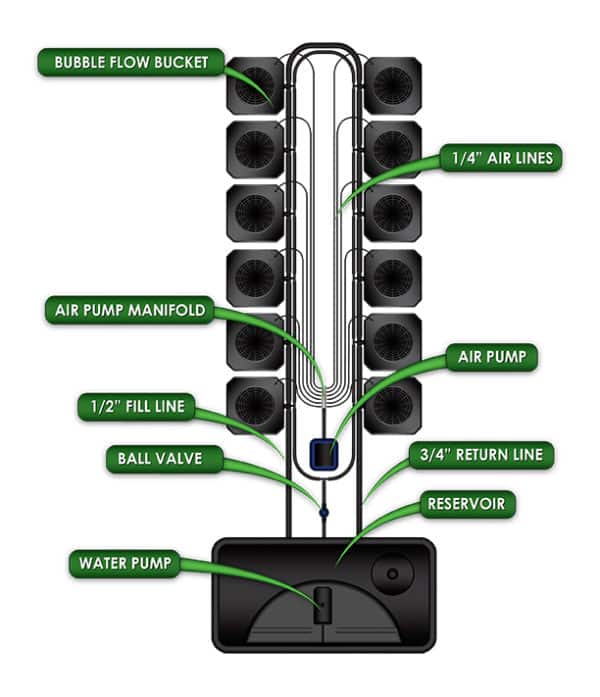
While hydroponic systems offer the fastest growth rates because of the high oxygen availability, they are also less forgiving. If a pump fails in a hydroponic setup, you might have only hours before the plants begin to wilt. Gravity-fed automatic watering stakes in soil or fabric beds offer a bit more of a safety net for the hobbyist grower.
Maximizing Efficiency and Nutrient Retention
One of the most overlooked benefits of automatic watering is the reduction in nutrient waste. When you hand-water and see water pouring out of the bottom of the pot (run-off), you are literally watching your money go down the drain.
By using a slow-release system, you keep the nutrients in the root zone longer. This is particularly effective when using fabric containers, like a Grassroots fabric raised bed, which promotes air pruning of the roots. When combined with a consistent drip or stake system, these beds create a massive, healthy root mass that can't be achieved with sporadic manual watering.

Remote Management and Peace of Mind
Let’s be honest: one of the biggest reasons growers switch to automation is the ability to leave the house. Indoor gardening shouldn't mean you are a prisoner to your plants. Modern controllers allow you to monitor environmental factors, but the watering system is what keeps the plants alive during a long weekend away.
By integrating a collapsible water storage tank, you can set up a reservoir that holds enough water for a week or more.
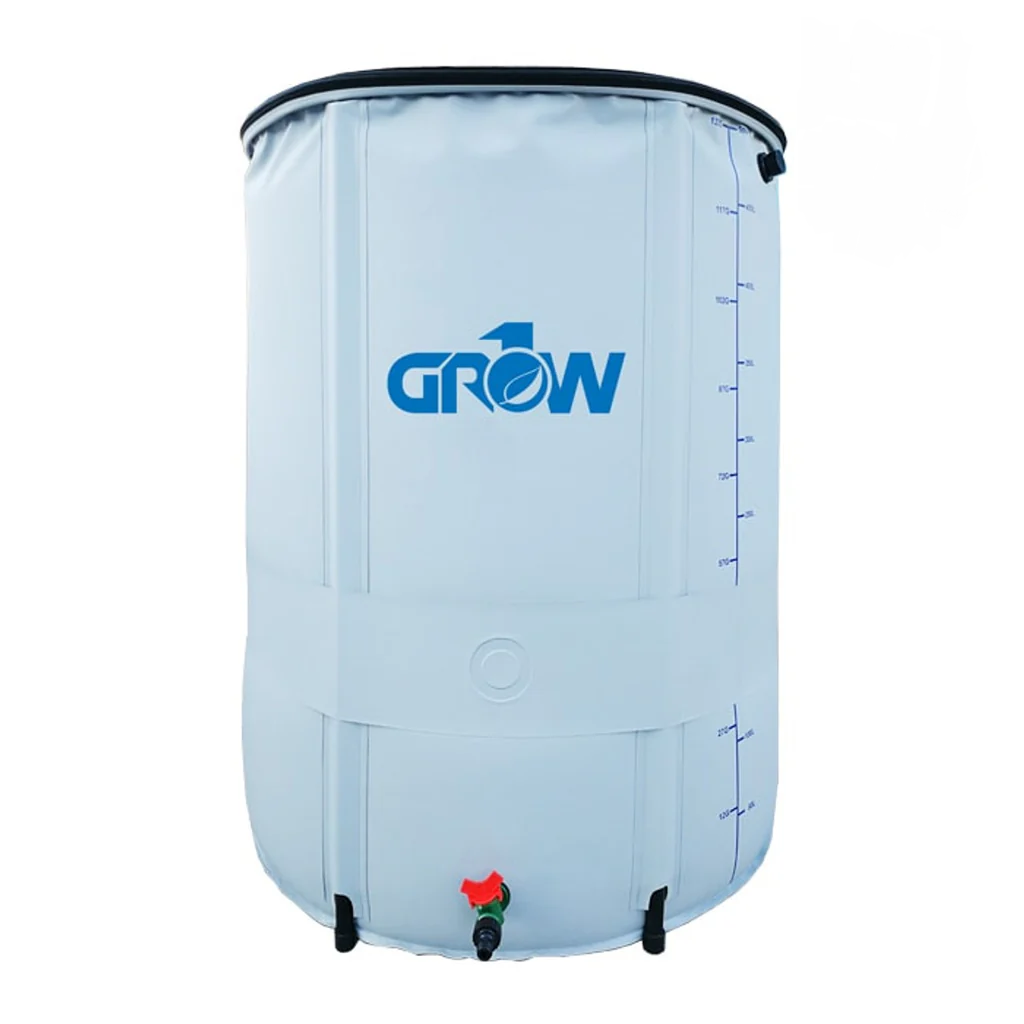
Pro Tip: If you are using a reservoir, make sure it is elevated above your plants if you are using a gravity-fed system. The height provides the "head pressure" needed to push water through the lines.
Common Pitfalls and How to Avoid Them
While automatic watering systems are a "game-changer," they are not "set it and forget it" from day one. There is a learning curve, and rushing the setup can lead to a flooded grow room.
1. The "Runaway" Valve
If a ceramic stake isn't properly soaked before installation, or if the cap isn't tightened correctly, it can lose its vacuum. This tells the system the soil is perpetually dry, leading to a reservoir-emptying flood. Always "prime" your stakes by soaking them in water for at least 24 hours before use.
2. Clogged Lines
If you are running organic nutrients through thin 1/4" lines, you are going to have a bad time. Organic matter can ferment and create "bio-slime" that clogs the small emitters.
- The Fix: Use a clean mineral-based nutrient line or apply your organics/microbes via a separate siphon system when you are home to supervise.
3. Ignoring the Reservoir
A reservoir is a breeding ground for algae if exposed to light. Always use opaque tanks and consider a small air stone or circulation pump to keep the water from becoming stagnant.

Step-by-Step: Setting Up Your First System
If you’re ready to ditch the watering can, here is a general workflow to get started:
- Calculate Your Needs: How many plants do you have? For a standard 4x4 tent with 4–6 plants, a 5-10 gallon reservoir is usually plenty for a few days of autonomy.
- Choose Your Delivery: If you are in soil or coco, go with automatic watering stakes. If you are looking for maximum speed and have the budget, look into hydroponics.
- Prepare the Medium: Ensure your soil is evenly moist before you insert any stakes. Sensors cannot accurately read moisture in bone-dry soil.
- Set the Reservoir: Place your water storage tank at least 3-4 feet above the plant level to ensure consistent pressure.
- Monitor for 48 Hours: Stay close for the first two days. Check the soil moisture manually with your finger to ensure the system is actually triggering.
Is Automation Right for You?
The transition to an automatic watering system is often the point where a "hobby" becomes a professional-level grow. It requires an initial investment in equipment and a bit of patience during the setup phase. However, the return on investment comes in the form of heavier yields, healthier plants, and: most importantly: your time back.
The fact of the matter is that human error is the #1 killer of indoor plants. By removing the daily guesswork of "to water or not to water," you allow the genetics of your plants to truly shine.
If you are tired of the daily chore and want to see what your garden can really do when it’s never stressed, it’s time to look into automation solutions. Whether it’s a simple set of stakes or a full-blown hydroponic setup, your plants will thank you for the consistency.
For more deep dives into optimizing your indoor garden, check out our latest news and guides or browse our complete grow kits to see how automation integrates into a professional setup.


Leave a comment
This site is protected by hCaptcha and the hCaptcha Privacy Policy and Terms of Service apply.