
Blog
Why Everyone Is Talking About Compost Tea Brewers (And You Should Too)
If you’ve spent any time in gardening circles lately, whether you’re an indoor hobbyist or a large-scale outdoor farmer, you’ve likely heard the buzz about "compost tea." It’s not a new concept by any means, but the technology behind it has evolved. Specifically, the compost tea brewer has become a staple tool for growers who want to move beyond synthetic fertilizers and tap into the power of soil biology.
The shift we are seeing in 2026 and 2027 isn't just a trend; it's a fundamental change in how we understand plant nutrition. We are moving away from the "N-P-K only" mindset and moving toward a "microbe-first" philosophy. But why exactly is everyone making the switch, and why should you consider adding a brewer to your setup? Let’s break down the science, the efficiency, and the practical steps to getting started.
What Exactly Is a Compost Tea Brewer?
At its simplest, a compost tea brewer is a system designed to extract and multiply the beneficial microorganisms found in compost or worm castings. Unlike "steeping" a tea bag in cold water, which only extracts soluble nutrients, a proper brewer uses high-volume aeration to create an oxygen-rich environment.
This oxygen is the "secret sauce." Beneficial aerobic bacteria, fungi, protozoa, and nematodes thrive in oxygen. When you provide them with a food source (like molasses) and a constant stream of air, they multiply at an exponential rate. Within 24 to 48 hours, a single handful of high-quality compost can turn into a liquid solution containing billions of active microbes ready to protect and feed your plants.
The Science: Boosting Microbial Life
The primary reason to use a compost tea brewer is to enhance the microbial life in your growing medium. In a natural forest environment, plants don't have someone feeding them synthetic salts. Instead, they rely on a complex relationship with soil biology.
- Nutrient Cycling: Microbes break down organic matter and minerals into forms that the plant can actually "eat." Without them, your nutrients might be present in the soil but remain "locked" and unavailable to the roots.
- Soil Structure: Fungal hyphae and bacterial glues (biofilms) help bind soil particles together, creating better aeration and water retention.
- Disease Suppression: By saturating your plants (both the roots and the leaves) with "good" microbes, you leave no room for the "bad" ones to take hold. It’s a game of numbers, competitive exclusion.
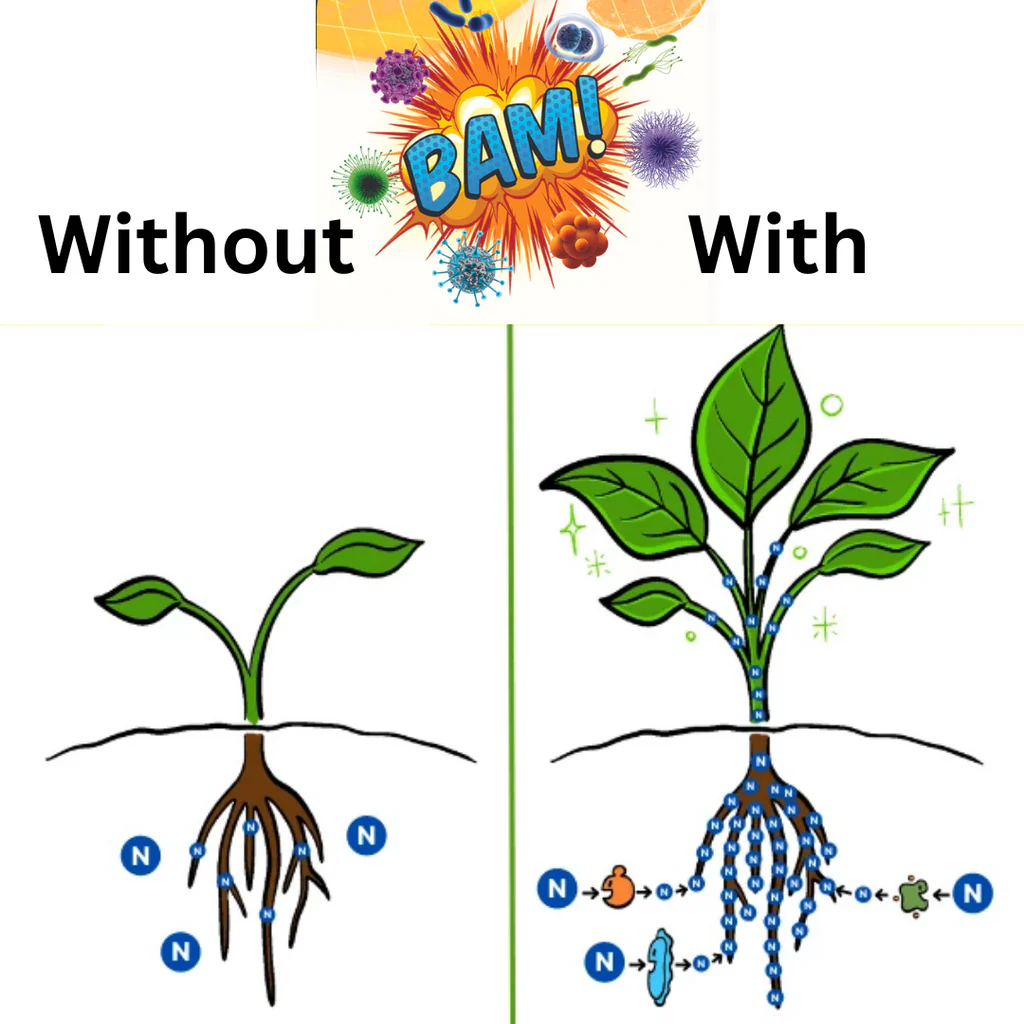
As seen in the comparison above, the difference in root development when you focus on microbial inputs is staggering. Healthy, vibrant roots are the foundation of high-yielding plants.
Efficiency and Scalability: The "Magic" of Liquid
One of the most compelling arguments for using a compost tea brewer is pure logistics. Spreading solid compost across a large garden or a multi-acre farm is backbreaking work. It requires heavy machinery, significant labor, and a massive amount of raw material.
The fact of the matter is that a 250-gallon compost tea brewer can transform a single ton of compost into enough tea to treat up to 650 acres. That is a level of efficiency that traditional composting can’t touch. For the indoor grower, this means you can take a small bag of high-quality castings and make it last an entire season, providing a constant "probiotic" boost to your hydroponic system or soil pots without the mess of top-dressing every week.
Key Ingredients for a Successful Brew
You can’t just throw dirt in a bucket and expect results. To get the most out of your compost tea brewer, you need the right fuel for the microbes.
1. The Fuel: Molasses
Microbes need energy to multiply. High-quality carbohydrates like RAW Cane Molasses provide the sugar hit that bacteria crave. It’s the catalyst that turns a stagnant bucket of water into a frothing, living ecosystem.

2. The Inoculants: BAM! and Azos
While compost provides the base, many growers "spike" their brew with specific microbial inoculants to target certain outcomes.
- BAM! (Beneficial Aerobic Microbes): This is a premium inoculant that ensures you are starting with a diverse range of beneficial bacteria.
- Azos: If you are looking to boost nitrogen uptake, adding nitrogen-fixing microbes like Azos can significantly improve vegetative growth.
3. Fungal Power: Mykos
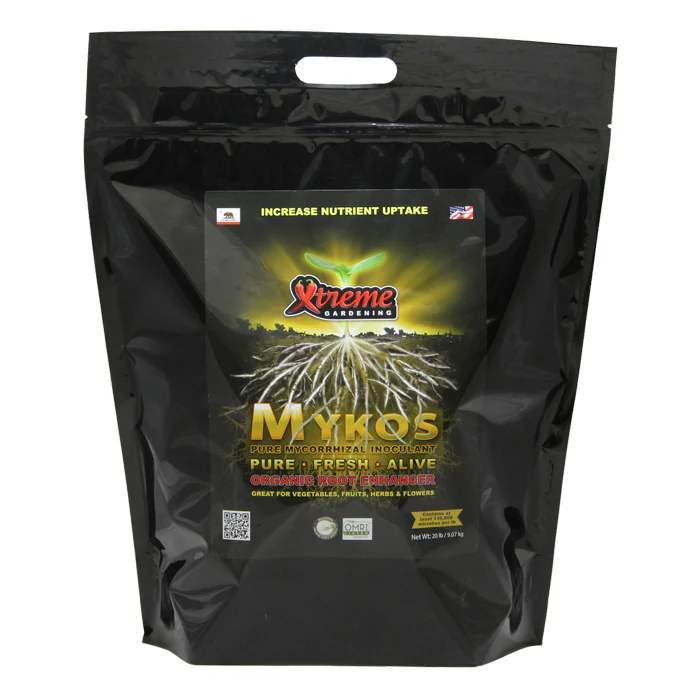
Most compost teas are "bacterial dominant" because bacteria multiply much faster than fungi. To balance this out, adding a pure mycorrhizal inoculant like Mykos helps ensure your root zone develops those critical fungal networks that help with phosphorus uptake and water transport.
The Versatility of Application: Foliar vs. Root Drench
One of the best things about compost tea is how you can apply it. Unlike solid compost, which is stuck on the ground, tea can be used as a foliar spray.
The leaves of your plants have tiny pores called stomata. When you spray compost tea directly onto the leaves, the plants can absorb nutrients almost instantly. Furthermore, the beneficial microbes live on the surface of the leaf, creating a biological shield against airborne pathogens like powdery mildew.
Caution: If you are using compost tea as a foliar spray, make sure to apply it during the "lights off" period or in the early morning/late evening. Applying liquid to leaves under intense LED lights or mid-day sun can cause leaf burn due to the "magnifying glass" effect of the water droplets.
Water Quality: The Foundation of Your Tea
If you are using tap water to brew your tea, you might be killing the microbes before you even start. Most city water contains chlorine or chloramines, which are designed specifically to kill bacteria.
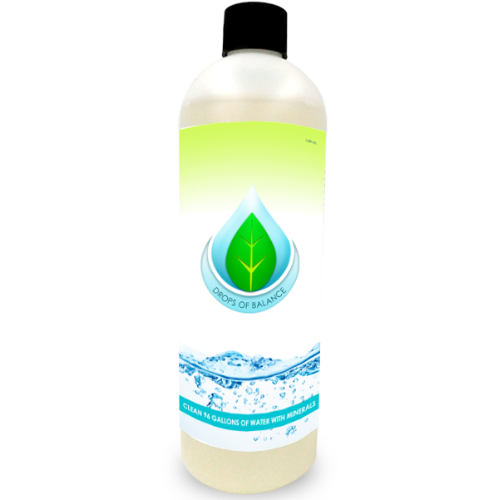
Using a water filtration system or a product like Drops of Balance is essential. Drops of Balance helps to mineralize and purify the water, ensuring that the microbial life you are trying to cultivate has a clean, mineral-rich environment to thrive in.
Common Pitfalls and "The Smell Test"
While brewing tea is straightforward, there are a few ways it can go wrong. The most common issue is a lack of oxygen.
- The Smell Test: A healthy compost tea should smell earthy, like a fresh forest floor or even slightly sweet if you used molasses. If your tea smells like rotten eggs, ammonia, or "sewer water," it has gone anaerobic. This means the oxygen levels dropped too low, and harmful pathogens have started to multiply. Do not put smelly tea on your plants. It can cause root rot and introduce diseases.
- Cleaning Your Equipment: Biofilm (a slimy layer of bacteria) will build up on the walls of your brewer and inside your air stones. You must clean your compost tea brewer thoroughly after every single use. If you don't, the old bacteria will contaminate your next batch.

Is a Compost Tea Brewer Right for You?
Whether you are managing a small indoor tent or a large garden, the answer is likely yes. The ability to create your own "living" fertilizer for pennies on the dollar is a game-changer for any serious grower.
For beginners, we often recommend starting with a Nutrient and Microbial Inoculant Kit. These kits take the guesswork out of the process, providing the minerals, microbes, and fungi you need to ensure your first brew is a success.
The fact of the matter is that plants have evolved over millions of years to work with microbes. By using a compost tea brewer, you aren't just feeding your plants; you are restoring the natural order of the soil. You’re building a sustainable, resilient ecosystem that will reward you with healthier plants, faster growth, and better yields.
If you’re ready to stop relying solely on bottled salts and want to see what your garden is truly capable of, it’s time to start brewing. Check out our full range of controllers and automation tools to help manage your environment while your tea works its magic!