

If you’ve been in the gardening game for a while, you’ve likely dealt with the "silent killer" of indoor plants: root rot. You think you’re doing everything right: checking the pH, dialing in your LED lights, and mixing the perfect nutrient reservoir. Then, seemingly out of nowhere, your leaves yellow, growth stunts, and the base of your plant feels like a wet sponge.
The culprit isn't usually the water itself; it’s the drainage. Traditional plastic pots have been the industry standard for decades, but they have a fundamental design flaw that fabric grow pots solve through pure physics. At Perfect Gardens, we’ve seen thousands of grows, and the switch to fabric is often the single biggest "level up" a grower can make.
In this guide, we’re going to break down why fabric pots are the secret to superior drainage and how they create a root environment that plastic simply can’t match.
The Problem with the "Plastic Bathtub"
To understand why fabric is superior, we have to look at the limitations of plastic. A standard plastic pot usually has four or five drainage holes at the very bottom. While this allows some water to escape, it creates a phenomenon known as the "perched water table."
In a plastic container, gravity pulls water down, but the surface tension of the water and the lack of airflow through the sides of the pot keep the bottom few inches of soil completely saturated. This is a "dead zone" where oxygen cannot penetrate. When roots sit in this anaerobic environment, they literally suffocate. This is where pathogens like Pythium and Phytophthora: the fungi responsible for root rot: thrive.
The fact of the matter is, if your drainage is limited to just the bottom of the pot, you’re essentially growing your plants in a tiny bathtub with a slow drain.
How Fabric Pots Redefine Drainage
Fabric pots, often called "smart pots" or aeration containers, are made from a highly porous, breathable material. Instead of having a few holes at the bottom, a fabric pot is essentially comprised of thousands of microscopic drainage channels.
1. Multi-Directional Drainage
Unlike plastic, water doesn’t just move downward in a fabric pot; it moves outward. Because the entire surface area is porous, excess moisture can escape through the sides of the pot as well as the bottom. This prevents the "pooling" effect seen in plastic containers. If you accidentally overwater, the fabric allows the media to shed that excess weight almost instantly.
2. The Oxygen-Moisture Balance
Superior drainage isn't just about getting water out; it’s about getting air in. As water drains out of the fabric walls, it creates a vacuum effect that pulls fresh oxygen into the root zone. Roots need oxygen to perform cellular respiration, which is the process that allows them to take up nutrients. By maintaining a high oxygen-to-moisture ratio, fabric pots facilitate faster growth and more resilient plants.
3. Eliminating Anaerobic Zones
Because air can penetrate from all sides, the "dead zones" at the bottom of the pot are eliminated. The soil stays consistently moist rather than soggy. This is a critical distinction. Plants love moisture, but they hate being "wet."
The Secret Weapon: Air Pruning
While we’re talking about drainage, we have to mention the "side effect" of a porous container: air pruning. In a plastic pot, when a root reaches the edge, it hits a hard barrier and begins to circle the container. This leads to "root-bound" plants that struggle to absorb nutrients efficiently.
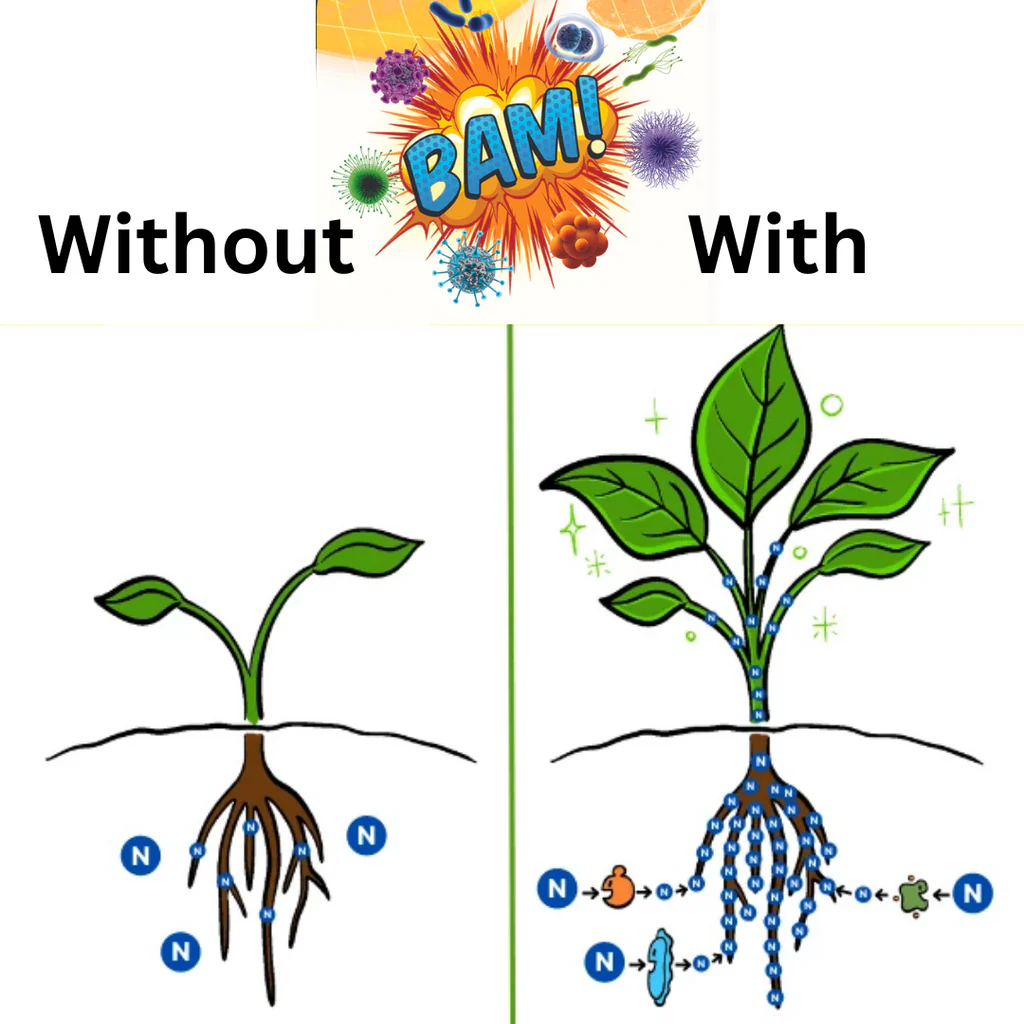
In a fabric pot, when a root tip reaches the edge of the breathable fabric, it is exposed to the air. The low humidity at the edge of the pot naturally dries out the root tip, which "prunes" it. This might sound bad, but it actually triggers the plant to send out hundreds of new, fibrous feeder roots from the center of the root ball.
Think of it like this:
- Plastic Pot: One long, circling root that is inefficient.
- Fabric Pot: A massive, branching web of roots that fills every square inch of the grow essentials medium.
 Suggested Image: A technical diagram comparing water flow and root structure in a plastic pot versus a fabric pot, highlighting the multi-directional drainage and air pruning effect.
Interactive Troubleshooting: Is Your Drainage Sufficient?
If you aren't sure if your current setup is working, run through this quick checklist. If you answer "Yes" to more than two of these, it’s time to look into hydroponics upgrades or fabric pot transitions.
- Does your soil stay wet for more than 4 days after watering? (Indicative of poor evaporation/drainage).
- Do you notice a "swampy" or sour smell when you get close to your pots? (Sign of anaerobic bacteria).
- Are your lower leaves turning yellow even though your nutrient levels are correct? (Classic sign of overwatering/root stress).
- When you transplant, do the roots look like a tangled bird's nest around the edges? (Root circling).
- Is there green algae growing on the surface of your soil? (Too much surface moisture).
Advanced Drainage: The Bottom Watering Method
One of the few "complaints" about fabric pots is that they dry out faster than plastic. While this is actually a benefit for plant health, it can be annoying for a busy grower. This is where the bottom watering method comes in.
Because fabric is porous, it acts like a wick. You can place your fabric pots in a shallow tray or reservoir filled with an inch or two of water. The soil will pull up exactly as much water as it needs via capillary action.
This method ensures the entire root ball is hydrated without compacting the soil from top-down watering. It also keeps the top layer of soil dry, which is a great way to prevent fungus gnats from moving in.

Boosting Your Results: Mycorrhizae and Drainage
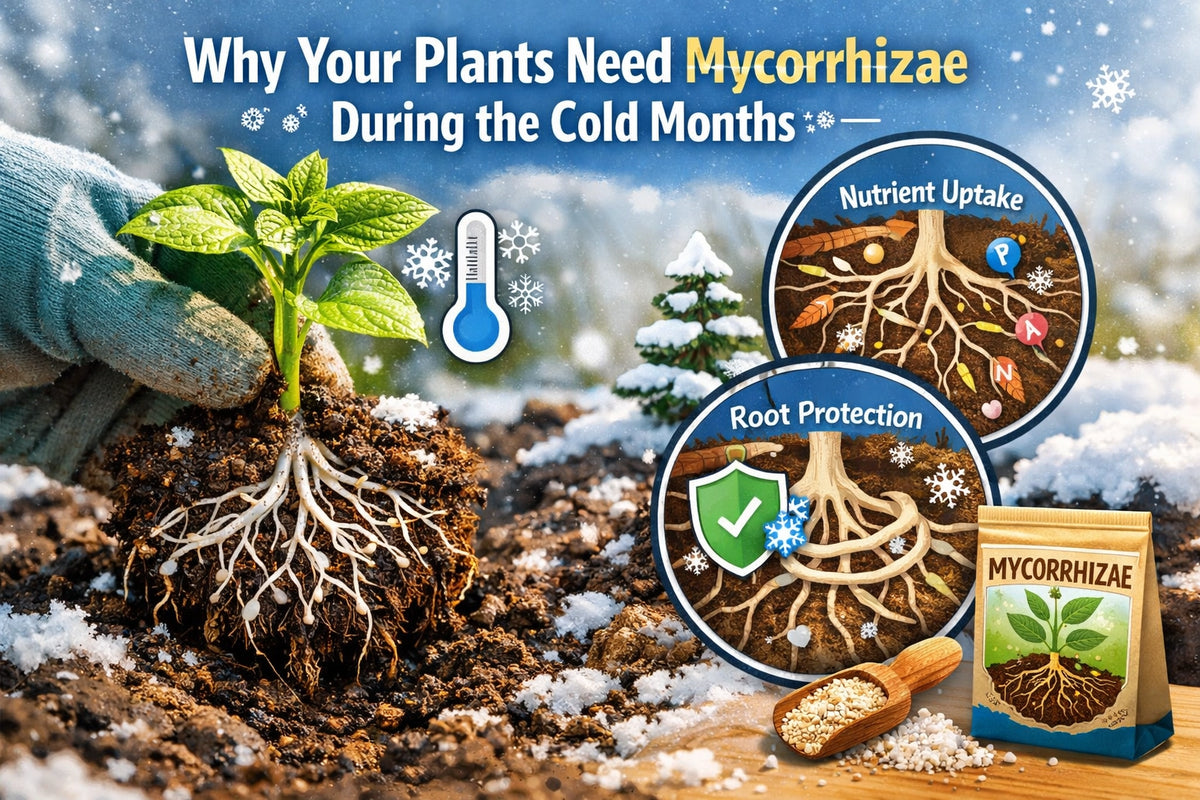
Even with the best drainage in the world, your roots need biological partners to reach their full potential. When you use fabric pots, the high-oxygen environment is the perfect habitat for beneficial microbes.
Adding a high-quality mycorrhizal inoculant helps the plant take advantage of that increased root surface area created by air pruning. These fungi attach to the roots and extend their reach, pulling in phosphorus and micronutrients that the plant couldn't access on its own.
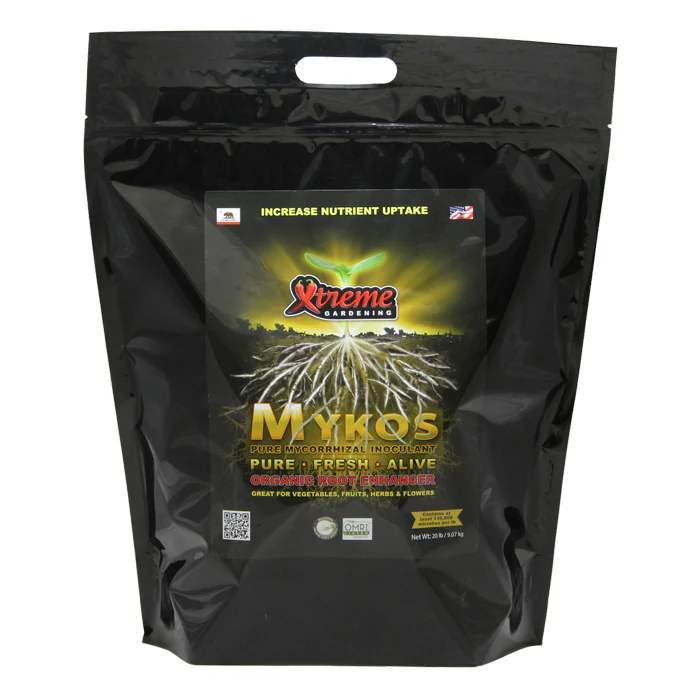
Combining fabric pots with products like Xtreme Gardening Mykos creates a powerhouse system. The fabric pot ensures the roots stay healthy and oxygenated, while the Mykos ensures they are feeding at maximum capacity.
Common Pitfalls and Cautionary Advice
While we clearly love fabric pots, there are a few things you need to watch out for:
- Salt Buildup: Because water evaporates through the sides of the pot, nutrients and salts can sometimes accumulate on the fabric, leaving a white, crusty residue. This is normal, but it means you should give your pots a good "leach" or flush every few weeks to ensure your nutrients aren't reaching toxic levels.
- Humidity Spikes: All that extra evaporation can raise the humidity in your grow tent. Make sure your exhaust system is up to the task of handling the extra moisture in the air.
- Media Choice: Fabric pots drain fast. If you are using a very "airy" mix like 70% perlite and 30% coco, you might find yourself watering twice a day. For most growers, a standard high-quality potting soil or a 50/50 coco-perlite mix works best in fabric.
The Perfect Gardens Takeaway
At the end of the day, your plants are only as good as their roots. You can spend thousands on the fanciest Kind LED grow lights and the most expensive nutrient packages, but if your roots are drowning in a plastic pot, you're never going to see the yields you want.
Fabric grow pots are a low-cost, high-impact investment. They solve the drainage problem at a structural level, providing the oxygen and the "escape route" that excess water needs to keep your plants thriving.
If you're ready to make the switch or need help picking the right size for your space, check out our complete hydroponic systems or reach out to our team for a custom recommendation. Happy growing!

Leave a comment
This site is protected by hCaptcha and the hCaptcha Privacy Policy and Terms of Service apply.