
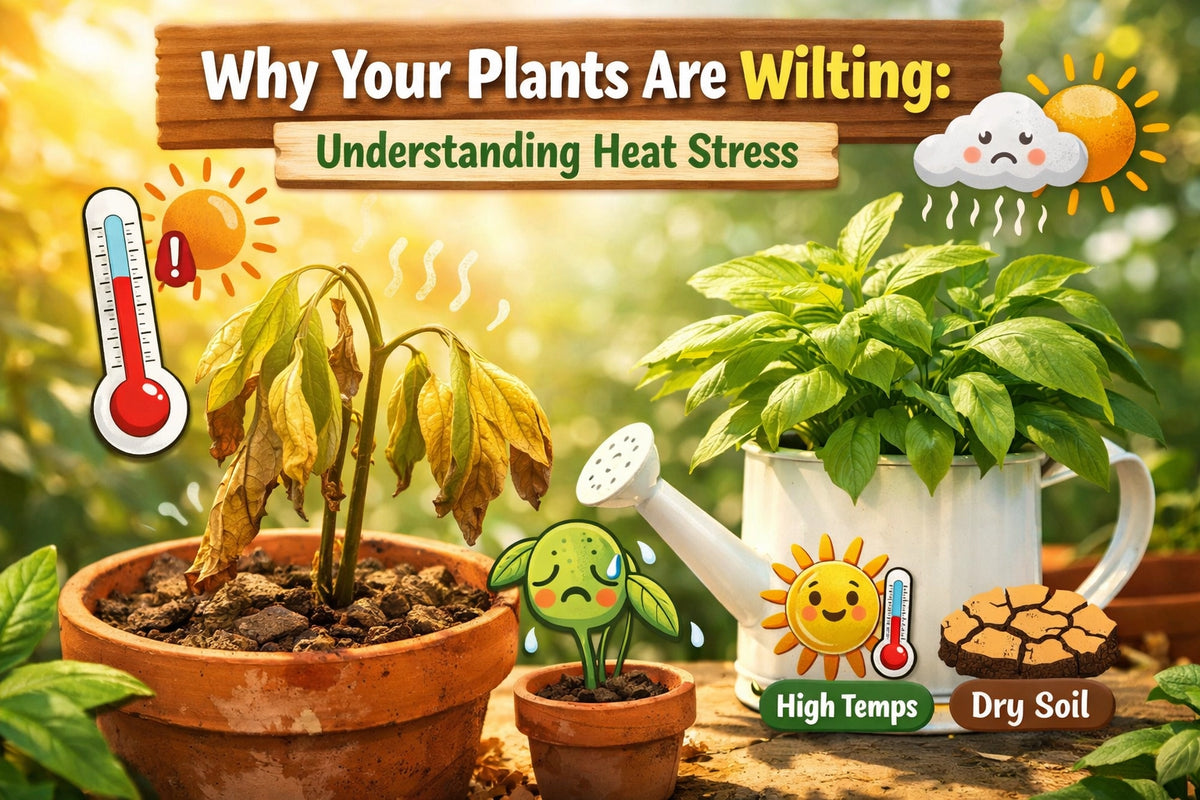
It is a mid-July afternoon, and you walk into your grow room or check your outdoor garden only to find your prized plants looking like wet noodles. Their leaves are drooping, the stems look weak, and the overall vibrancy of the garden has vanished. The immediate instinct for most growers: especially beginners: is to grab the watering can and drench the soil.
However, before you reach for the hose, it is vital to understand that wilting is not always a sign of thirst. In fact, during the peak of summer, wilting is often a complex physiological response to heat stress. Misdiagnosing this "droop" can lead to overwatering, root rot, and the eventual death of a plant that was simply trying to protect itself.
At Perfect Gardens, we believe that the more you understand the biology of your plants, the better you can manage your indoor gardening setup. Let’s dive into the science of heat stress, how to tell the difference between a thirsty plant and a hot one, and the steps you can take to keep your garden thriving when the mercury rises.
The Biology of the Droop: Turgor Pressure and Transpiration
To understand wilting, we first have to understand what keeps a plant standing upright. Unlike animals, plants don't have bones. Instead, they rely on turgor pressure. This is the internal water pressure within the plant cells that pushes against the cell walls, keeping them rigid. Think of a plant cell like a balloon; when it’s full of water, it’s firm and holds its shape. When it loses water, it becomes flaccid, and the plant "wilts."
Plants are constantly moving water from the roots, up the stem, and out through tiny pores in the leaves called stomata. This process is known as transpiration. It’s essentially how a plant "sweats" to stay cool. When the ambient temperature in your grow room or greenhouse climbs too high, the rate of transpiration accelerates.

The problem arises when the leaves lose water faster than the roots can pull it from the medium. When this imbalance occurs, turgor pressure drops, and the plant begins to sag. In many cases, this is a temporary survival mechanism. By drooping, the plant reduces the surface area of the leaf exposed to direct light, which helps slow down further water loss.
The Stomata Standoff: A Catch-22
When heat stress becomes extreme, the plant enters a defensive state. To prevent total dehydration, it will close its stomata. While this stops water from escaping, it creates two major secondary problems:
- No More Cooling: Transpiration is a form of evaporative cooling. Once the stomata close, the leaf temperature can spike even higher because the "air conditioning" has been turned off.
- Photosynthesis Stops: Plants need to take in Carbon Dioxide (CO2) through their stomata to perform photosynthesis. When the pores are closed, the plant stops producing energy. This is why prolonged heat stress leads to stunted growth and significantly diminished yields.
Is it Heat Stress or Drought? The Knuckle Test
This is where many growers make a critical mistake. If you see a wilted plant and the soil is already wet, adding more water will not fix the turgor pressure issue. In fact, it will likely suffocate the roots.
To differentiate between heat stress and actual water deficiency, use these diagnostic steps:
- The Timing: Does the plant look fine in the morning, wilt between 1:00 PM and 4:00 PM, and then recover by the evening? This is temporary heat wilting. The plant is healthy, but the environment is too intense.
- The Knuckle Test: Stick your finger into the soil or growing medium up to the second knuckle. If the medium feels damp, the plant has plenty of water; it just can't move it fast enough. If the soil is bone-dry and pulling away from the edges of the pot, you have drought stress.
- The Leaf Texture: Heat-stressed leaves often feel warm to the touch but remain somewhat soft. Drought-stressed leaves may feel dry, brittle, or start to "crisp" at the edges.
The fact of the matter is that overwatering a heat-stressed plant is one of the fastest ways to invite pathogens like Pythium (root rot) into your hydroponic systems.
The Specific Challenges of Hydroponic Systems
In an indoor gardening setup utilizing hydroponics, heat stress isn't just about the air temperature; it’s about the reservoir temperature.
Water holds less dissolved oxygen as it gets warmer. If your reservoir temperature climbs above 75°F (24°C), the oxygen levels drop significantly. This creates a double-whammy: the plant is struggling to stay cool, and the roots are literally gasping for air. This lack of oxygen causes the roots to function inefficiently, making it even harder for the plant to maintain turgor pressure.
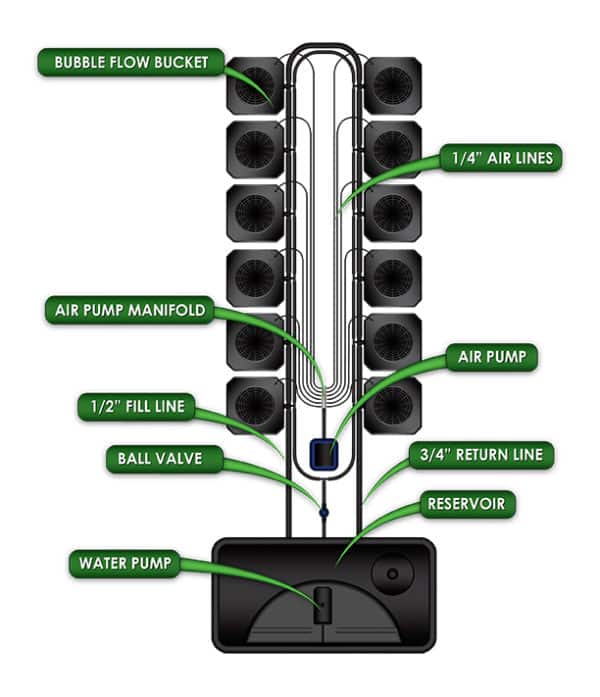
Using a system like the Hydroponic Bubble Flow Bucket helps by maximizing oxygenation, but even the best system can't overcome boiling water. In July, keeping your reservoir between 65°F and 68°F is your primary defense against wilting.
The Ripple Effect: Beyond the Wilt
Wilting is just the visible symptom of deeper physiological damage happening inside the plant. When heat stress persists, it triggers several negative metabolic responses:
- Protein Denaturation: High temperatures can actually cause the proteins and enzymes within the plant to unfold or "break," halting essential biological processes.
- Oxidative Stress: Extreme heat releases reactive oxygen species (ROS) that damage cell membranes and DNA.
- Blossom-End Rot: In fruiting plants like tomatoes or peppers, heat stress disrupts the transport of calcium. Since calcium moves through the plant via transpiration, and transpiration is haywire during heat stress, the fruit often develops dark, sunken spots even if there is calcium in the soil.
- Terpene Loss: For those growing aromatic herbs or flowers, high heat "volatilizes" terpenes. This means the essential oils that give your plants their scent and flavor literally evaporate into the air before you can harvest them.
Solutions for Your Indoor Gardening Setup
If you find your plants struggling this July, don't panic. There are several technical upgrades and environmental tweaks you can implement to bolster their resilience.
1. Upgrade Your Lighting
Traditional HID lights (HPS/Metal Halide) act like giant space heaters in your tent. Switching to high-efficiency LEDs can drastically reduce the ambient heat in your grow space. The Spectrum-Y Wireless LED is an excellent example of a light that provides high PAR output with significantly less heat radiation than older technologies.

2. Strengthen with Silica
Silica is often the unsung hero of summer gardening. When plants absorb silica, they incorporate it into their cell walls, making them thicker and stronger. This "armor" helps the plant maintain turgor pressure even when water is moving quickly through the system. It also increases the plant's tolerance to high-heat environments.
3. Boost Root Health with Microbes
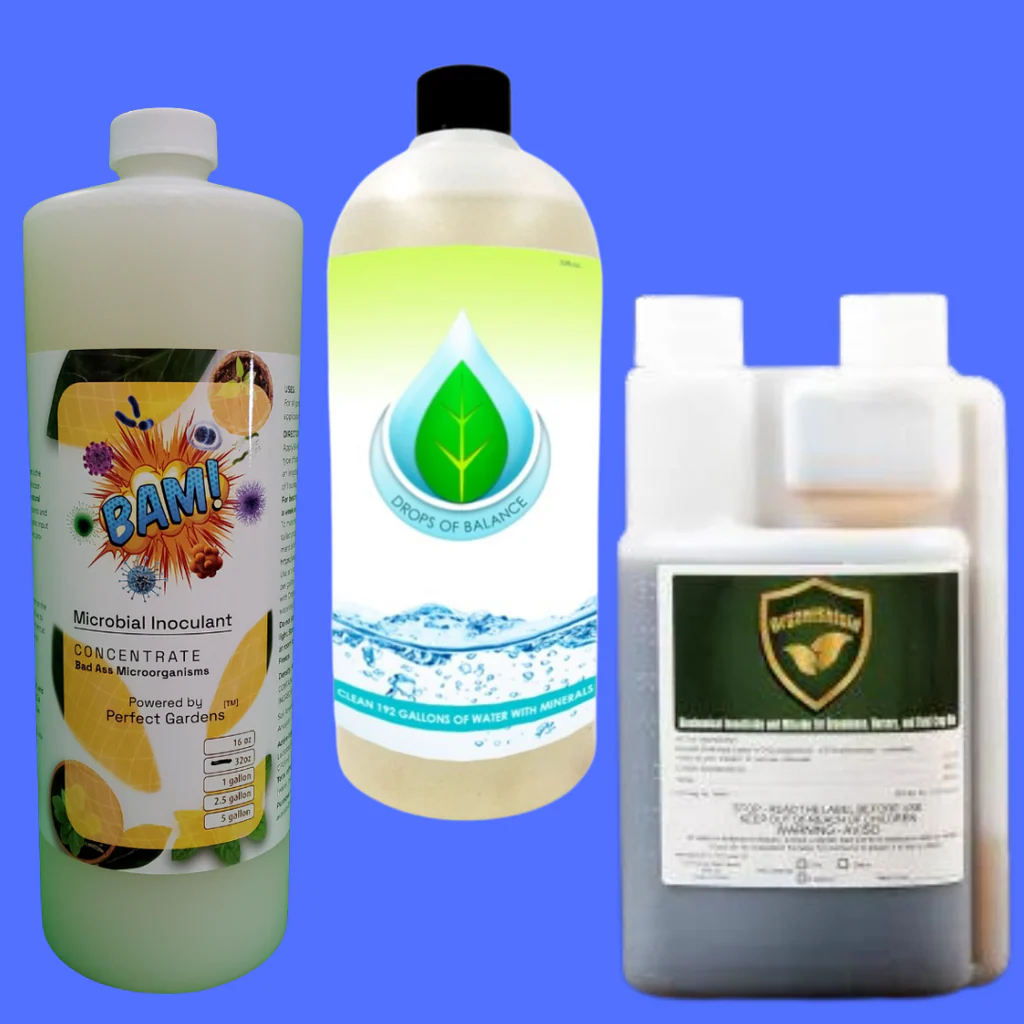
A robust root system is your best defense against wilting. Using a microbial inoculant like BAM! helps the plant maximize nutrient and water uptake efficiency. Beneficial microbes create a symbiotic relationship with the roots, essentially expanding the "reach" of the root zone and helping the plant stay hydrated during peak stress periods.
4. Consistent Moisture with Automation
Fluctuations in moisture levels make heat stress much worse. If a plant goes from bone-dry to soaking wet in a 95-degree room, the vascular system takes a beating. Using an automatic watering system like Blumat ensures that the moisture level in your medium remains constant, preventing the "stress-recovery-stress" cycle that leads to permanent damage.

Final Thoughts: Listen to Your Plants
The next time you see your garden drooping under the afternoon sun, take a deep breath before you react. Check the medium, check your reservoir temps, and check the time of day. Most of the time, your plants are just taking a "siesta" to protect themselves from the heat.
If you’re struggling to keep your temperatures under control or want to know more about heat-resistant nutrients, we’re here to help. Check out our Grow Help Videos or join our Army of Growers community to get advice from experts who have dealt with every climate challenge imaginable.
Caution: If wilting persists into the early morning hours when the lights have been off or the sun is low, you likely have a more serious issue like root rot or a total lack of water. Act quickly to diagnose the root zone before the damage becomes irreversible.
Stay cool, and happy growing! For more tips on maintaining a healthy garden, visit our About Us page to see our commitment to educational gardening.

Leave a comment
This site is protected by hCaptcha and the hCaptcha Privacy Policy and Terms of Service apply.