

If you are looking to move away from traditional soil gardening and dive into the world of hydroponics, you are likely feeling a mix of excitement and a bit of overwhelm. There are dozens of ways to grow plants in water, but for most hobbyists starting out this April, the choice usually boils down to two heavy hitters: Deep Water Culture (DWC) and Ebb and Flow (Flood and Drain).
The fact of the matter is that neither system is "better" in a vacuum; it really depends on your goals, your budget, and how much time you want to spend tinkering with your setup. At Perfect Gardens, we see a lot of beginners jump in without understanding the mechanical differences between these two, which often leads to avoidable frustrations like root rot or nutrient imbalances.
In this guide, we’re going to break down how each system works, what gear you’ll need to get started, and which one might be the best fit for your specific indoor garden.
What is Deep Water Culture (DWC)?
Deep Water Culture is perhaps the most straightforward form of hydroponics. In a DWC setup, your plant’s roots are suspended in a highly oxygenated nutrient solution 24/7. There are no timers to set and no complex plumbing to worry about.
How it Works
The concept is simple: your plant sits in a net pot filled with a grow medium (like clay pebbles or Rockwool), which is then nested into the lid of a reservoir. Below the lid, the roots grow directly down into the water.
Now, if you just stuck roots in a bucket of water, they would drown. Plants need oxygen to survive. To fix this, an air pump sits outside the reservoir and pushes air through a tube to an air stone at the bottom. This air stone creates a constant stream of bubbles, ensuring the water is saturated with dissolved oxygen.

The Benefits of DWC
- Explosive Growth: Because the roots have unlimited access to water, nutrients, and oxygen, plants often grow significantly faster than they do in soil.
- Simplicity: There are very few moving parts. If your air pump is humming, your system is working.
- Low Cost: You can build a DIY DWC bucket for very little money, or buy a professional kit that won't break the bank.
The Challenges
The biggest risk with DWC is water temperature. If your reservoir gets too warm, it can’t hold as much oxygen, which invites pathogens like Pythium (root rot). Beginners often struggle with keeping their water temperatures between 65°F and 68°F, especially if they are using high-intensity lights in a small grow tent.
What is Ebb and Flow (Flood and Drain)?
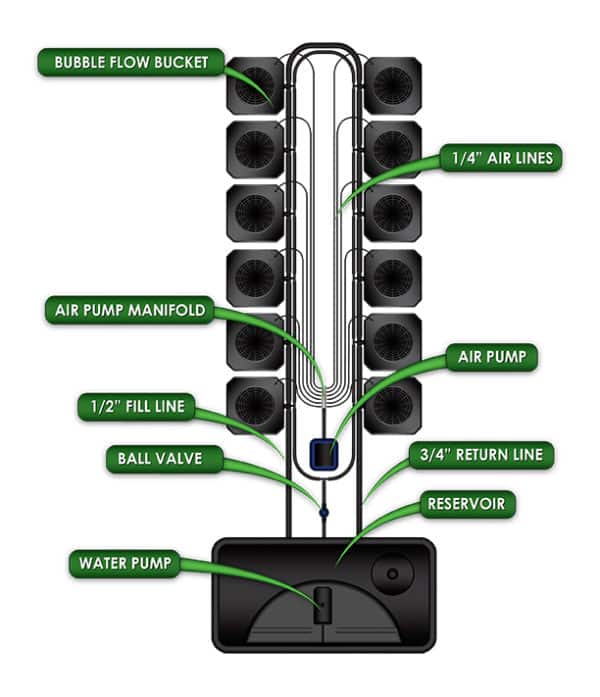
Ebb and Flow systems work on a completely different principle. Instead of the roots sitting in water constantly, they sit in a dry tray or individual pots. A pump periodically floods the tray with nutrient solution and then allows it to drain back into a main reservoir.
How it Works
An Ebb and Flow system typically consists of two main parts: a grow tray (where the plants live) and a reservoir (where the water is stored). A submersible pump in the reservoir is connected to a timer. When the timer clicks on, the pump fills the tray to a specific level. Once the timer clicks off, the water drains back down through the pump or a separate overflow valve via gravity.
The Benefits of Ebb and Flow
- Versatility: You can grow a wide variety of plants in different sized pots all on the same tray.
- Oxygenation: As the water drains away, it pulls fresh oxygen into the root zone. This "breathing" action is incredibly effective for root health.
- Easier Maintenance for Large Groups: If you have 10 or 20 plants, it’s much easier to manage one large reservoir in an Ebb and Flow system than 20 individual DWC buckets.
The Challenges
The main point of failure in Ebb and Flow is the timer or the pump. If the pump fails or the timer loses power and the tray doesn't flood, your plants can dry out and die very quickly because their roots aren't submerged. It also requires a bit more "plumbing" knowledge to ensure your overflow drains are set correctly so you don't end up with a flooded floor.
Side-by-Side Comparison
| Feature | Deep Water Culture (DWC) | Ebb and Flow |
|---|---|---|
| Ideal For | Single, large plants (like tomatoes) | Multiple small/medium plants |
| Maintenance | Weekly reservoir changes | Easy to clean the tray |
| Risk Factor | Root rot from warm water | Pump/Timer failure |
| Growth Speed | Extremely High | High |
| Setup Cost | Low to Moderate | Moderate |
Critical Components for Both Systems
Regardless of which system you choose, there are a few "non-negotiables" for hydroponic success. It seems more like a choice of hardware, but the biology remains the same.
Water Quality and Minerals
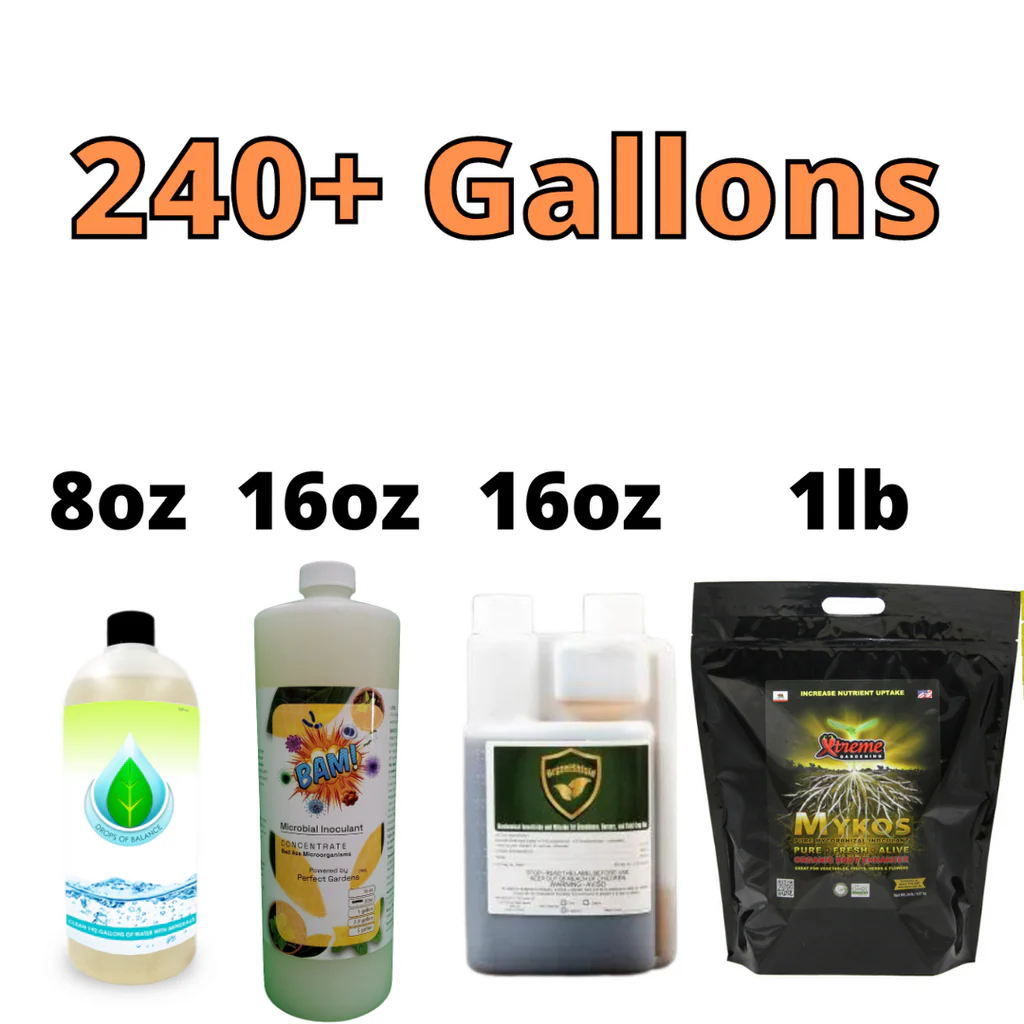
In hydroponics, the water is the delivery vehicle for everything. If your tap water is full of chlorine or heavy metals, your plants will suffer. Many growers use Drops of Balance to ensure their water is mineralized and purified before adding their main nutrients.
Beneficial Microbes
One of the biggest misconceptions in hydro is that the system should be "sterile." While some people prefer that, adding beneficial microbes can create a buffer against root rot. A Microbial Inoculant Kit helps establish a healthy colony of "good guy" bacteria and fungi that protect your roots, especially in DWC systems where temperatures might fluctuate.
Monitoring pH and EC
In soil, the earth acts as a buffer. In hydro, you are the buffer. You must check your pH daily. Most plants prefer a pH between 5.5 and 6.5. If the pH drifts out of this range, the plants will experience "nutrient lockout," meaning the food is in the water, but the plant can't "see" it or eat it.
Which One Should You Choose?
Choose Deep Water Culture if:
- You only want to grow one or two large plants.
- You want the fastest growth possible and don't mind checking water temps.
- You are on a tight budget and want a "plug and play" experience.
Choose Ebb and Flow if:
- You want to grow a "sea of green" with many smaller plants.
- You want a system that is slightly more forgiving regarding water temperature.
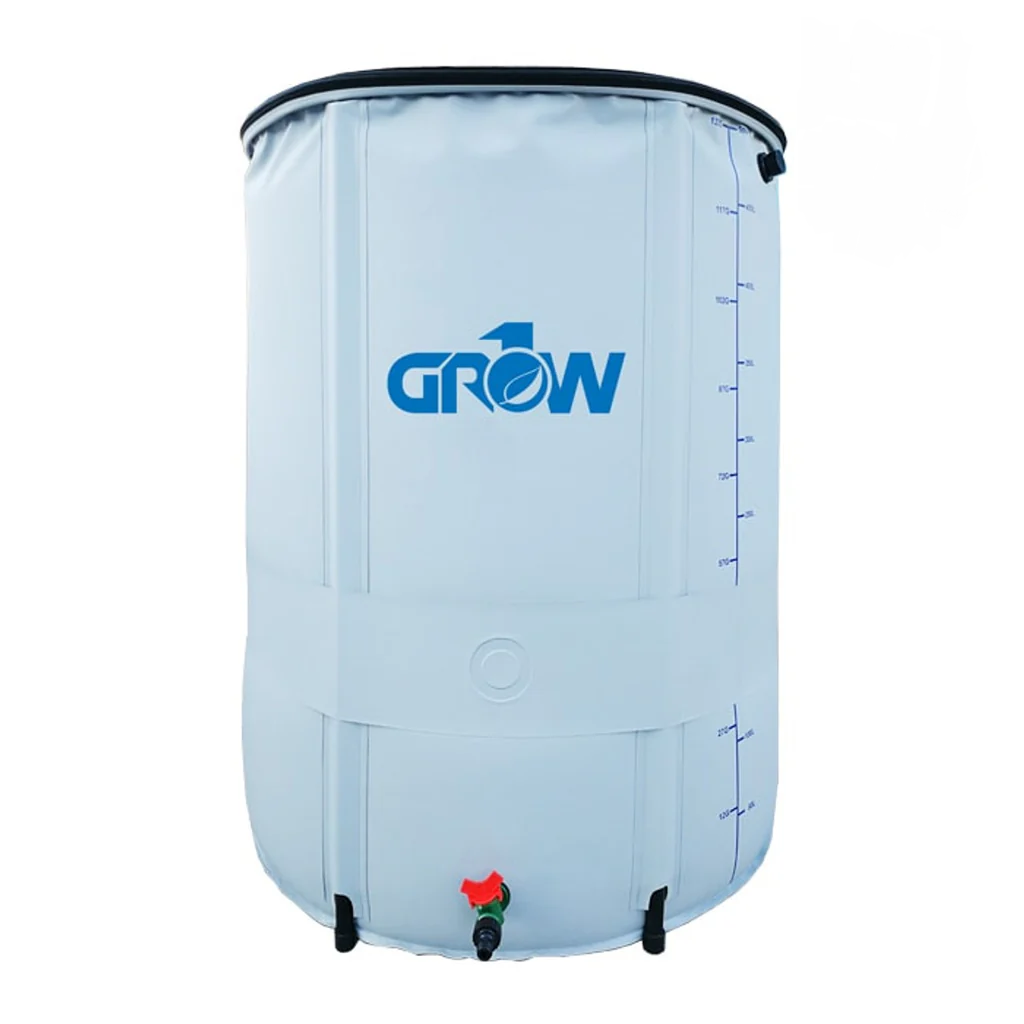
- You already have a collapsible water storage tank or a large reservoir ready to go.
Common Pitfalls to Avoid
It is worth noting that while these systems are "beginner-friendly," they aren't "set it and forget it."
The Power Outage Trap: In a DWC system, if the power goes out, the bubbles stop. Without bubbles, the oxygen in the water is depleted in a matter of hours, and the plants will begin to suffocate. In an Ebb and Flow system, a power outage means the tray won't flood. If you are using a medium that holds no water (like clay pebbles), your plants could wilt in a few hours.
Light Leaks: This is a big one. Algae loves the same nutrients your plants do. If light hits your nutrient solution: whether it’s through a translucent bucket or a gap in your tray: algae will grow. Algae consumes oxygen and can gunk up your pumps. Using Black and White Panda Film to cover your reservoirs or line your grow area is a cheap and effective way to prevent this.

Getting Started This Spring
If you are still on the fence, we always recommend checking out our Grow Help Videos. Seeing these systems in action often makes the choice much clearer.
The fact of the matter is that your first harvest is a learning experience. Don't be afraid to make mistakes: everyone does. Whether you choose the bubbling intensity of a DWC bucket or the rhythmic cycles of an Ebb and Flow tray, you’re moving toward a more efficient, higher-yielding way of gardening.
If you have questions about which nutrients to pair with your new setup, feel free to browse our Plant Nutrients Packages or reach out to us through our Contact Page. We’ve helped thousands of growers in the "Army of Growers" find their rhythm, and we’re here to help you too.
Happy growing!

Leave a comment
This site is protected by hCaptcha and the hCaptcha Privacy Policy and Terms of Service apply.