

July is a high-stakes month for any grower. While the sun is blazing outside, your indoor gardening setup is working overtime to keep temperatures stable. But heat doesn't just stress your cooling systems: it acts as a catalyst for the two most notorious villains in the growing world: Spider Mites and Thrips.
If you’ve been growing for a while, you know the sinking feeling of spotting a faint silver streak or a tiny web on your prize-winning canopy. The fact of the matter is that summer heat accelerates the life cycle of these pests. What might have been a minor nuisance in April can become a full-blown infestation in 72 hours during a July heatwave.
At Perfect Gardens, we believe that the best defense is a sharp eye and a solid technical understanding of what you’re up against. In this guide, we’re going to break down how to identify these pests at both the macroscopic (what you see with your eyes) and microscopic (what you see with a loupe) levels.
Why Summer is Pest Season
Indoor gardens are supposed to be controlled environments, but they aren't sealed vaults. Every time you walk into your grow room after being outside, or every time your intake fan pulls in fresh air, you’re potentially inviting guests.
In the summer, outdoor pest populations are at their peak. High temperatures also lower the relative humidity in many grow rooms, and for pests like spider mites, a hot, dry environment is basically a 5-star resort. When the Vapor Pressure Deficit (VPD) gets out of whack because of the heat, your plants become stressed, their immune systems dip, and the "Borg" (spider mites) move in for the kill.
The Two-Spotted Spider Mite: The Silent Assassin
Spider mites (Tetranychus urticae) are arguably the most dreaded pest in the community. They are tiny, prolific, and incredibly resilient.
Macroscopic Identification (The Naked Eye)
By the time you see the actual mite with your bare eyes, you’re already in trouble. Usually, you’ll notice the symptoms first:
- Stippling: Look for tiny yellow or white "pinpricks" on the top of the leaves. This is where the mite has pierced the plant cell to suck out the chlorophyll.
- Webbing: This is the late-stage sign. You’ll see fine, silk-like webs bridging the gaps between leaf serrations or connecting the nodes. If you see webbing, the population is already in the thousands.
- Luster Loss: The plants will start to look "dusty" or dull rather than vibrant and waxy.
Microscopic Identification (The Loupe)
To truly confirm what you’re dealing with, you need a jeweler’s loupe or a digital microscope (30x to 60x magnification is ideal).

When you flip a leaf over and look through the lens, here is what you are looking for:
- The "Two Spots": True to their name, these mites have two dark spots on their translucent, amber, or greenish bodies.
- The Eggs: They look like tiny, clear-to-opaque golf balls glued to the underside of the leaf. If the eggs are amber-colored, they are about to hatch.
- Movement: Unlike some beneficial mites that scurry quickly, spider mites tend to move at a slow, deliberate crawl.
Thrips: The Fast-Moving Scourge
While spider mites are the slow and steady "Borg," thrips are the erratic "Thunder Flies." They are slender, winged insects that behave very differently from mites.
Macroscopic Identification
Thrips are slightly easier to see than mites if you catch them moving, but their damage is often misidentified as a nutrient deficiency or light burn.
- Silvering or "Snail Trails": Thrips rasp the surface of the leaf, leaving behind a characteristic silvery, metallic sheen. It looks almost like a dried snail trail.
- Black Specks: This is the gross part: thrips leave "frass" (poop) everywhere they go. If you see silver patches with tiny black dots, you have thrips.
- Leaf Curling: New growth might look twisted or deformed because thrips love to hide inside the tight crevices of developing buds and leaves.
Microscopic Identification
Under the loupe, thrips look like tiny, living cigars.
- Shape: They have long, thin bodies. Larvae are usually creamy white or pale yellow, while adults can be brown or black with fringed wings.
- Behavior: If you poke at them with a needle or a leaf, they will jump or fly away. Spider mites don't do that.
- The Larvae: You’ll often find the larvae hanging out near the leaf veins. They are much more active than mite larvae.

The Inspection Routine: Where to Look
Pests don't usually hang out in the middle of the leaf where it's bright and exposed. They are masters of hide-and-seek. When checking your indoor gardening setup, follow this checklist:
- The Underside: 90% of your problems are on the bottom of the leaf.
- Lower Canopy: Pests often start near the soil or media and work their way up. Check the older, larger fan leaves first.
- Petiole Junctions: The spot where the leaf stem meets the main stalk is a favorite hiding spot for thrips.
- Sticky Traps: Use yellow sticky traps for thrips and fungus gnats. While they won't stop an infestation, they act as an "early warning system." If you see a slender bug on the trap, it’s time to break out the loupe.
Prevention and IPM (Integrated Pest Management)
The goal isn't just to kill pests; it's to create an environment where they can't thrive. This starts with your equipment. Using a high-quality tent, like the AC Infinity Grow Tent, allows you to control intake and exhaust more effectively, making it harder for pests to enter.
https://cdn.marblism.com/eTEmM8HGf5p.png
1. Cultural Control
Keep your grow room clean. Dead leaves on the floor are a breeding ground for pests. Maintain your temperature and humidity. If your room is hitting 85°F with 30% humidity, you are basically inviting spider mites to a party. Try to keep your temps under 78°F and humidity around 50-60% during the vegetative stage to slow their reproduction.
2. Biological Control
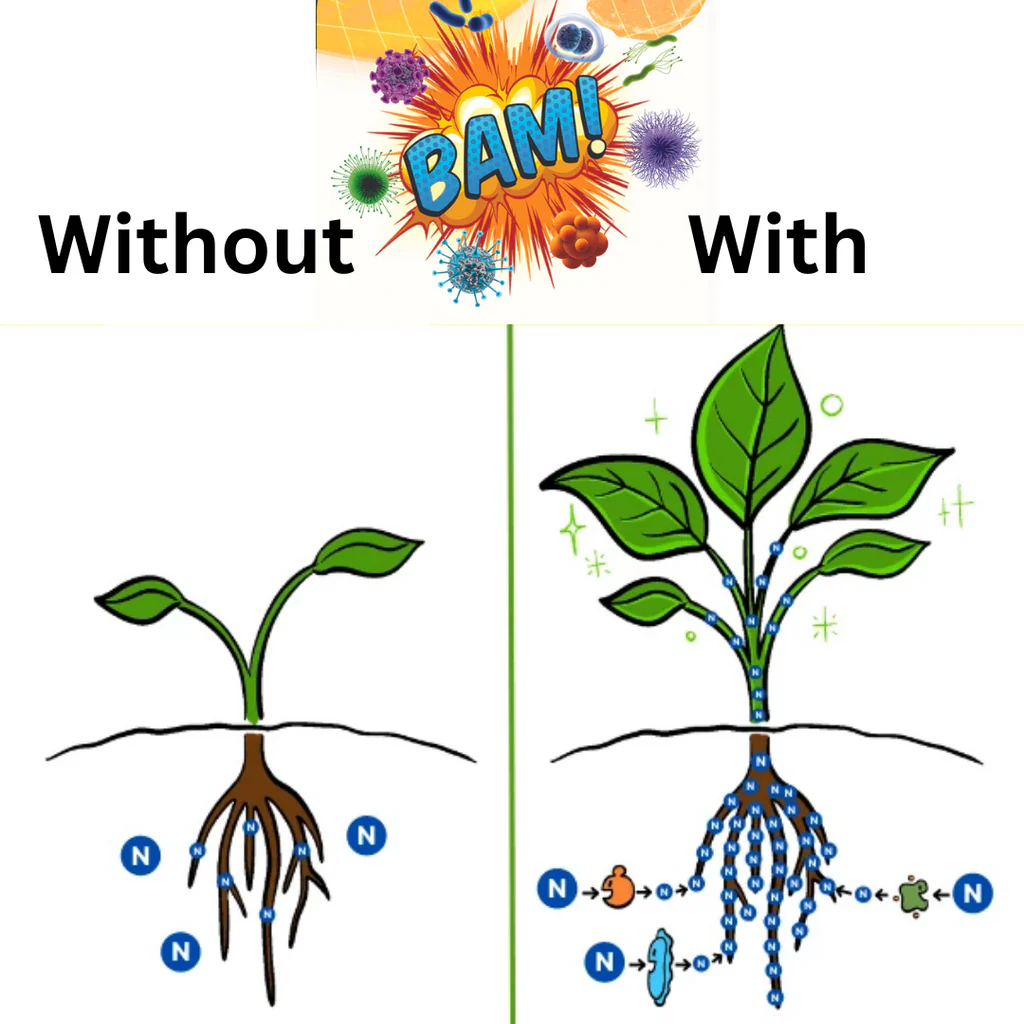
Healthy plants are harder to eat. Using products that boost root health and plant immunity can make a huge difference. When a plant has a robust vascular system, it can often withstand minor pest pressure better than a sickly plant.
https://cdn.marblism.com/kJteiARYxrs.png
3. Organic Intervention
If you find pests, don't reach for the heavy "scorched earth" chemicals immediately. We highly recommend organic solutions that work on contact. OrganiShield is a fantastic tool for this. It’s a USDA Organic certified biochemical insecticide that works by dehydrating the pest on contact without leaving harmful residues on your flowers.
https://cdn.marblism.com/Bz_fH3ds6M8.png
Identifying the "Look-Alikes"
It’s easy to get paranoid in July. Sometimes what looks like a pest is actually something else:
- Calcium Deficiency: Can cause small brown spots that look like pest damage, but they won't have the "silvering" effect of thrips or the "stippling" of mites.
- Dust/Perlite: Sometimes a piece of perlite lands on a leaf and looks like an egg. Give it a gentle blow; if it moves, it’s dust. If it’s glued down, get the loupe.
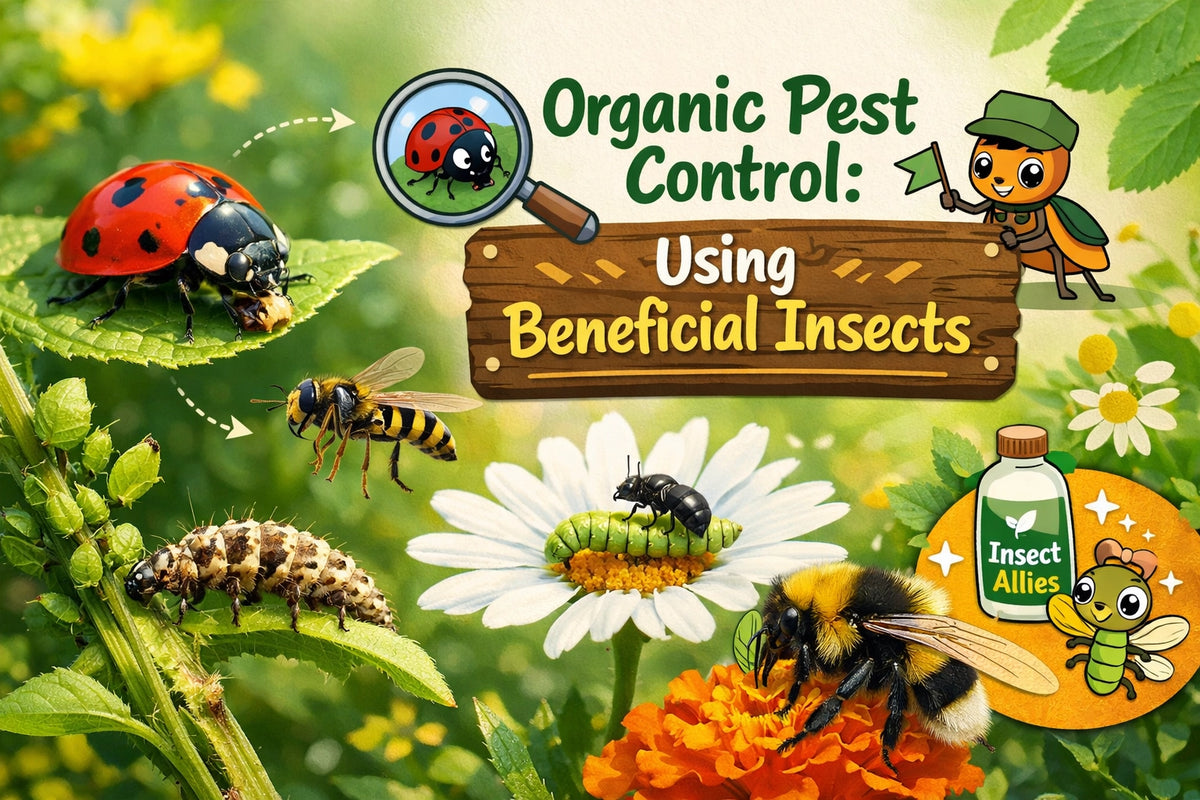
- Beneficial Mites: If you see a mite that is pear-shaped and running very fast across the leaf, it might be a predatory mite (like Phytoseiulus persimilis). Don’t kill the good guys!
Summary: Stay Vigilant
The fact of the matter is that every grower will deal with pests eventually. It’s not a sign of a "dirty" grower; it’s just nature trying to reclaim its territory. The difference between a harvest and a total loss is how quickly you identify the problem.
Spend 10 minutes every day with a loupe. Look at the "forgotten" leaves in the back of the tent. If you catch two spider mites today, you can save your crop. If you wait until you see webbing, you’re in for a very long, very expensive month of July.
If you’re feeling overwhelmed or need a second opinion on what you’re seeing under the microscope, check out our grow help videos or join our Army of Growers community to get advice from seasoned pros who have fought these battles before.
Stay cool, stay observant, and keep those gardens green! 🌿✨




Leave a comment
This site is protected by hCaptcha and the hCaptcha Privacy Policy and Terms of Service apply.