

So, you’ve decided to take the plunge into the world of hydroponics. Maybe you’re tired of dealing with soil-borne pests, or maybe you’re just looking for that explosive growth and massive yield that everyone talks about. Whatever your reason, moving to a soil-less setup is one of the best decisions a grower can make.
But here’s the thing: walking into a hydro shop (or browsing online) can be overwhelming. There are dozens of different hydroponic systems, and if you pick the wrong one for your goals, you might end up with a very expensive piece of plastic sitting in your garage.
At Perfect Gardens, we’ve seen it all: from the DIY buckets to high-end commercial rigs. To help you get it right the first time, we’ve put together the 10 most important things you need to know before you pull the trigger on a new system.
1. What Do You Actually Want to Grow?
The "best" hydroponic system doesn't exist in a vacuum; it only exists in relation to the plants you want to harvest. A system that’s perfect for basil might be a total disaster for heavy-fruiting tomatoes.
If you’re looking to grow leafy greens like lettuce, spinach, or herbs like cilantro, you can get away with almost anything: NFT (Nutrient Film Technique) or simple floating rafts work great. However, if you want to grow larger plants like peppers, tomatoes, or "medicinal" herbs, you need a system that can support a heavy root mass and provide more stability.
For these larger crops, we usually recommend something like Deep Water Culture (DWC) or an Ebb & Flow system. These provide the structural support and high oxygen levels those hungrier plants need.
2. Be Realistic About Your Budget
You can spend $50 on a DIY Kratky jar setup, or you can spend $5,000 on a fully automated vertical farm. Before you start shopping, decide on a "walk-away" price.
The fact of the matter is that while the initial system might seem like the biggest cost, you also need to account for:
- Nutrients: High-quality minerals are non-negotiable.
- Lighting: Unless you’re growing in a greenhouse, this is usually your biggest expense after the system itself.
- pH and EC meters: You can’t fly blind in hydro.
If you’re on a tight budget, look for systems that are modular so you can start small and add more buckets or trays as you gain experience.
3. Location, Location, Location
Where is this thing going to live? A countertop system is great for a kitchen, but it won’t produce a full salad every day for a family of four. If you’re moving to a basement or a spare room, you need to consider three things: Ventilation, Electricity, and Water access.
Hydroponic systems involve pumps and lights that need power. They also involve water that can evaporate, increasing the humidity in your room. If you don't have proper ventilation, you’re asking for mold issues. We always suggest checking out our tents and film options to help contain your environment and protect your home from moisture.
4. Understand Your Harvest Goals
Are you growing for a hobby, or are you trying to replace your grocery bill?
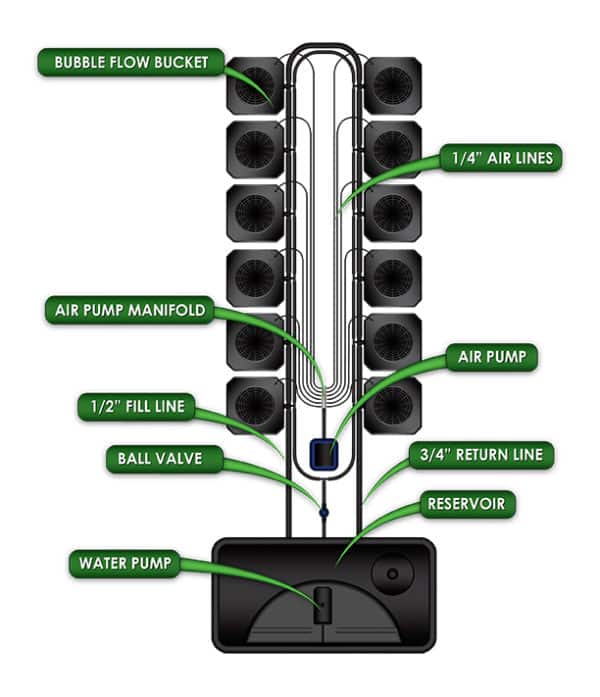
A small 6-site countertop unit is fun for kids and fresh herbs. But if you want to be self-sufficient, you should be looking at systems with 12 to 36 plant sites. Vertical hydroponics are excellent for maximizing yield in a small footprint, but they can be a bit more technical to manage.
5. Choosing the Right System Type
Not all hydroponic systems are created equal. Here is a quick breakdown of the common ones:
- Deep Water Culture (DWC): Your plants sit in a net pot over a reservoir of bubbling nutrient solution. It’s simple and effective for big plants.
- Ebb & Flow (Flood and Drain): A pump floods a tray of plants periodically and then lets the water drain back into a reservoir. This is great for managing many small plants at once.
- Aeroponics: Roots hang in the air and are misted with nutrients. This offers the fastest growth but is the least forgiving if a pump fails.
If you are just starting out with propagation or cuttings, an aeroponic cloning system is a game-changer for getting roots to pop quickly.

6. Ease of Setup and Maintenance
Don’t buy a system that requires a PhD in engineering to put together. Look for kits that include the essentials: pumps, reservoirs, and clear instructions.
Maintenance is the part people forget. You’ll need to clean your system between grows (or even during the grow). Roots can clog lines, and algae can grow in the presence of light and nutrients. If a system has a bunch of tiny, hard-to-reach tubes, you’re going to hate cleaning it.
To keep things running smoothly, we often recommend using food-grade hydrogen peroxide to keep the reservoir sterile and the oxygen levels high.
7. The "Universal Parts" Rule
This is a big one. Avoid buying "proprietary" systems where you can only buy replacement parts from that one specific company. If that company goes out of business or stops making your model, your entire system becomes junk the moment a single fitting breaks.
At Perfect Gardens, we advocate for systems that use standard sizes for tubing (like 1/4", 1/2", or 3/4") and standard PVC fittings. This way, if a pump dies on a Sunday afternoon, you can run to a local shop and fix it immediately rather than waiting two weeks for a special part in the mail.
8. Don't Skimp on Lighting
Your hydroponic system is just the delivery vehicle for water and food; light is the actual fuel. Even the most expensive system in the world won't grow anything in a dark room.
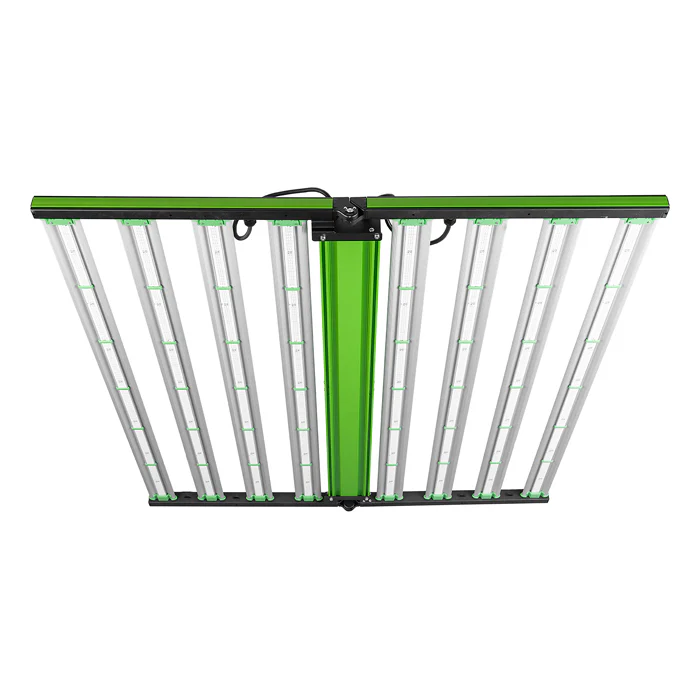
For indoor grows, aim for high-quality LED grow lights. A general rule of thumb for flowering or fruiting plants is at least 40 watts of actual power draw per square foot of grow space. Using a commercial-grade LED fixture ensures that your plants get the full spectrum they need to actually produce a harvest, not just stay green.
9. Watch Your Plant Spacing
It’s tempting to cram as many plants as possible into a system. We’ve all been there: thinking "I can definitely fit 20 kale plants in this 3-foot tray."
Don't do it. Overcrowded plants compete for light, but more importantly, they restrict airflow. Poor airflow leads to powdery mildew and pests. Give your plants room to breathe. If you aren't sure how much space a specific variety needs, check out our grow help videos for visual guides on canopy management.
10. Education and Support
The final thing you should look for isn't a piece of plastic: it's the community and support behind the product. Hydroponics has a learning curve. You will have questions about pH fluctuations, nutrient deficiencies, and light cycles.
Buy from a source that offers more than just a checkout button. Whether it’s a detailed blog or a team you can actually talk to, having that support makes the difference between a successful harvest and a "for sale" post on Craigslist.
Final Thoughts
Buying a hydroponic system is an investment in your health and your hobby. It seems like a lot to take in, but if you focus on what you want to grow and keep your parts universal and easy to clean, you’ll be ahead of 90% of beginners.
The fact of the matter is that you will make mistakes: everyone does: but with the right system as your foundation, those mistakes become easy fixes rather than total grow-room disasters.
Ready to get started? Check out our full range of hydroponic products and join the Army of Growers today. We’re here to help you grow better, every step of the way.



Leave a comment
This site is protected by hCaptcha and the hCaptcha Privacy Policy and Terms of Service apply.