

You’ve spent weeks, maybe months, nurturing your plants from tiny seeds or clones into the resinous beauties they are today. You’re in the home stretch: the final two to three weeks of the bloom phase. For many growers, this is the hardest time to stay patient. The smell is incredible, the buds look "done" to the naked eye, and you’re ready to fire up the trimmers.
But here is the fact of the matter: the final weeks are when your plants put on the most weight and develop their complex terpene profiles. In fact, some studies and veteran growers suggest that buds can gain up to 25% of their total mass in the last 14 days alone. If you chop too early, you’re literally throwing away a quarter of your harvest.
At Perfect Gardens, we want to make sure you cross the finish line with the heaviest, most potent harvest possible. Here is how to manage nutrients, lighting, and environment during the final push.
1. Master the Light Intensity (Without the Heat)
During the final weeks of flowering, your plants are hungry for energy to fuel that last bit of bud swelling. This is the time to ensure your light intensity is at its peak. If you are using high-quality LED fixtures, you want them running at 100% power to provide the maximum Photosynthetic Photon Flux Density (PPFD).
However, there is a catch. More light often means more heat. While the plants want the light, they don't want the high temperatures. Excess heat in the final weeks will "cook off" your terpenes and volatile cannabinoids, leaving you with hay-smelling buds and a less potent smoke.

Using a fixture like the Spectrum-Y Wireless LED Grow Light allows you to maintain high intensity while having better control over the spectrum. In these final stages, some growers prefer to increase the Red and Far-Red spectrum to mimic the setting sun of autumn, signaling the plant to finish its life cycle. If your light allows it, adding a bit of UV light during the last week can also stress the plant just enough to trigger a defensive response, which often results in increased resin production.
If you are struggling with heat, check out our guide on indoor gardening lighting mistakes to ensure your hanging height isn't causing more harm than good.
2. Adjusting the "Autumn" Environment
In nature, the end of the flowering cycle coincides with the transition from summer to autumn. The days get shorter, the air gets drier, and the nights get much cooler. To maximize your yield and quality, you need to recreate these conditions in your Gorilla Grow Tent.
Temperature Control
Try to lower your daytime temperatures to around 72-75°F (22-24°C). More importantly, try to drop your nighttime temperatures even further: somewhere between 55-65°F (13-18°C). This temperature swing mimics the arrival of fall and can encourage your plants to display beautiful purple and blue hues while preserving those precious terpenes.
Humidity Management
This is arguably the most critical factor in the final weeks. Large, dense buds are highly susceptible to bud rot (Botrytis) and powdery mildew. You should aim to keep your relative humidity (RH) between 40% and 45%. Anything higher than 50% in the final two weeks is a gamble you don't want to take.
3. The Nutrient Shift: Boosters and Tapering
The nutrient requirements of a plant in week 8 are vastly different from what it needed in week 3. In the early bloom, the plant needs a lot of phosphorus and potassium (P-K) to build the structure of the flowers. In the final weeks, the focus shifts to ripening and hardening.
Strategic Bloom Boosters
Around weeks 4 through 6, many growers use heavy P-K boosters. By the time you reach the final two weeks, you should start tapering these off. Overfeeding late in the game can lead to "harsh" smoke caused by excess salt buildup in the plant tissues.
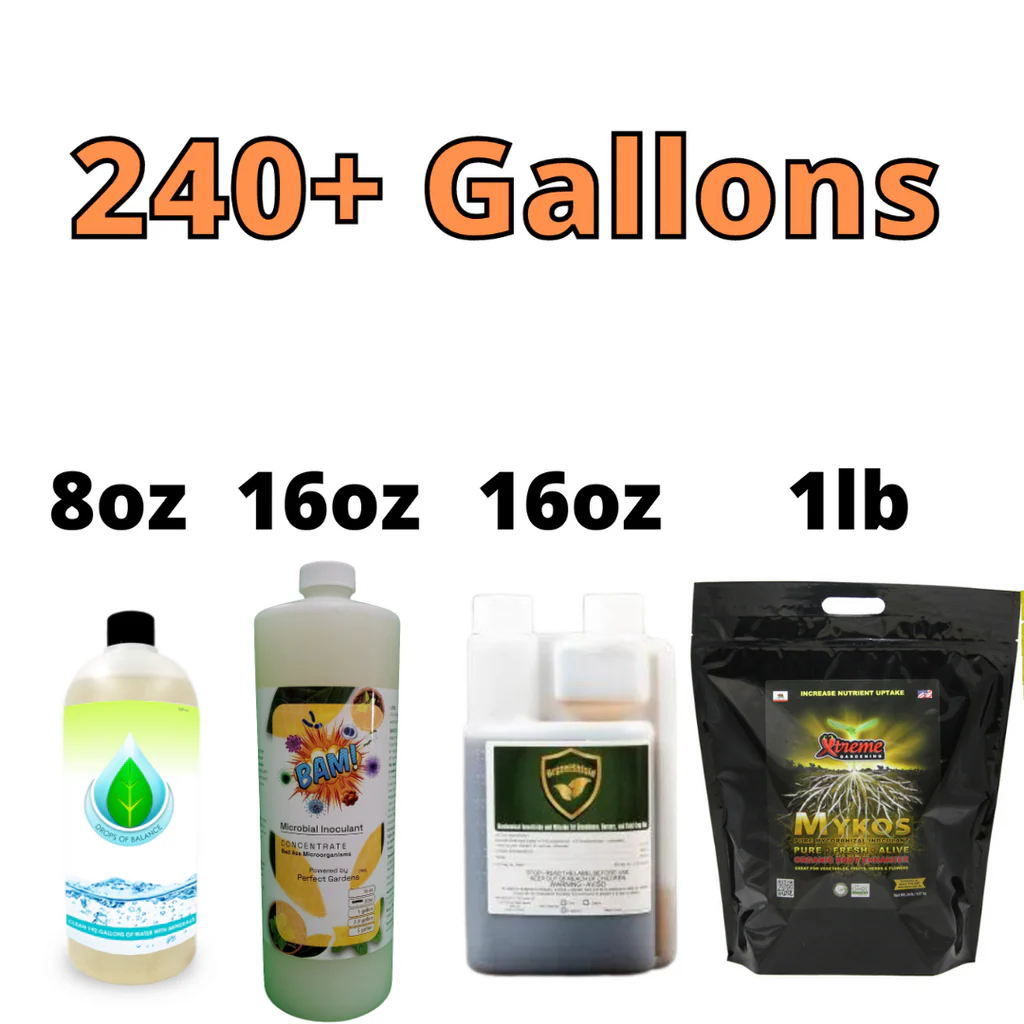
Instead of heavy salts, focus on microbial health and mineral availability. Products like Drops of Balance can be incredibly helpful here. They help ensure the plant can actually use the nutrients already present in the medium without needing to dump in more bottled chemicals.
The "Flush" vs. Tapering Debate
There is a lot of debate about "flushing" with plain water for 14 days. While some swear by it, recent research suggests that a total nutrient lockout might actually stress the plant into stopping oil production too early.
A more modern approach is "tapering." Instead of 0% nutrients, try reducing your EC (Electrical Conductivity) by 50% in the penultimate week, then moving to plain, pH-balanced water for the final 3-5 days. This allows the plant to use up its internal reserves without starving it so much that it shuts down. For more on avoiding common feeding errors, read about hydroponic nutrient mistakes.
4. Supporting the Weight
As your yield increases, the weight can become a problem. In the final weeks, it’s common to see heavy colas start to lean or even snap branches. A snapped branch is a tragedy this close to the finish line.

Check your garden daily. If you see branches bowing under the weight of the buds, use a plant tying tool or soft ties to secure them to your tent poles or a trellis net. Supporting the plant physically allows it to put all its energy into bud production rather than structural repair. It also keeps your buds from touching the floor or the tent walls, which is a major cause of mold.
5. Microbes Aren't Just for Veg
Many growers stop using beneficial microbes once they enter bloom, thinking the roots are already established. This is a mistake. Mycorrhizae and beneficial bacteria continue to protect the root zone and facilitate nutrient uptake right until the end.
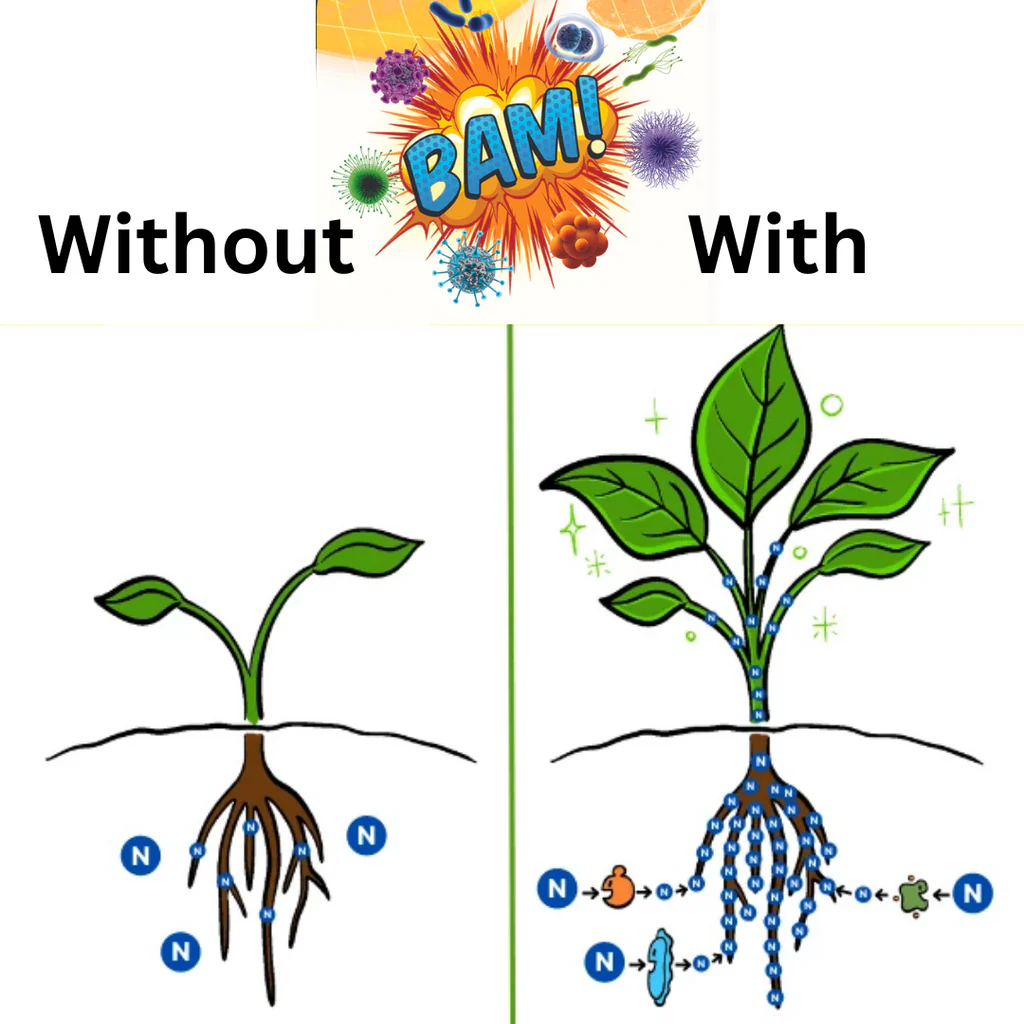
Healthy roots mean a healthy finish. If your root system begins to fail in the final weeks due to salt buildup or lack of oxygen, your buds will stop swelling. Keeping the microbial life active ensures that the "tapering" process goes smoothly, as the microbes help break down the last bit of nutrients in the soil. Just be sure you aren't making common mistakes with mycorrhizae that could hinder your results.
6. How to Know Exactly When to Harvest
Don't go by the calendar alone. If a seed pack says "8-week flowering time," that’s a suggestion, not a law. Your specific environment will dictate the actual timeline.
The only way to be 100% sure is to look at the trichomes (the resin glands). You’ll need a jeweler’s loupe or a digital microscope to see them clearly.

- Clear Trichomes: The plant is still producing cannabinoids. If you harvest now, the potency will be low, and the effect might be "racy" or cause headaches.
- Milky White Trichomes: This is the peak of THC content. If you want the most potent, cerebral "up" effect, you want mostly milky trichomes.
- Amber Trichomes: This indicates that the THC is beginning to degrade into CBN, which provides a more sedative, "couch-lock" effect.
Most growers aim for a "window" of 10% amber, 80% milky, and 10% clear. This usually ensures the plant has reached its maximum size and weight while maintaining peak chemical profile.
7. The Final 24–48 Hours of Darkness
A popular "pro-tip" is to give your plants 24 to 48 hours of total darkness right before you chop. The theory is that the plant, sensing it is "dying" or that winter has fully arrived, will push out one final burst of resin as a last-ditch effort to catch pollen. While the scientific evidence is still being debated, many award-winning growers swear it increases terpene aroma. Just ensure your humidity is extremely low during this period, as stagnant, dark air is a breeding ground for mold.
Preparing for the Harvest
Once you've maximized your yield in the tent, your work isn't quite over. The way you dry and cure your harvest will determine if that yield stays high-quality or loses its value. If you want to make the post-harvest process as efficient as the growing process, consider using tools like Trim Bags to save hours of manual labor.
Maximizing your yield is about attention to detail. It’s about not getting lazy in the final ten yards. Keep your environment dialed in, watch your trichomes like a hawk, and give the plants the support they need to finish strong. Your future self will thank you when you’re weighing out a record-breaking harvest.



Leave a comment
This site is protected by hCaptcha and the hCaptcha Privacy Policy and Terms of Service apply.