
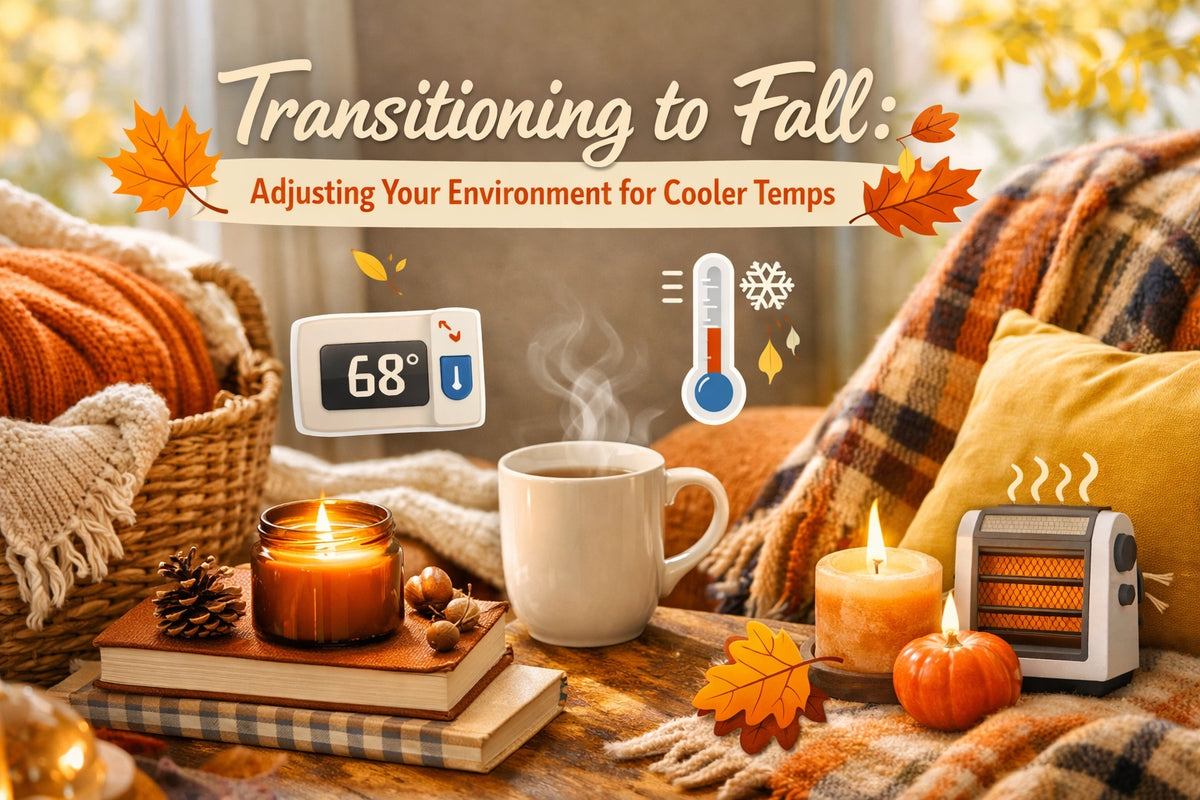
As we move toward the end of August and the early days of September, the air starts to change. For most people, it means pulling out the hoodies and thinking about pumpkin spice. But for growers, this transition is a critical window that can either set you up for a record-breaking harvest or leave you scrambling to save a struggling crop.
The shift from summer to fall isn’t just about the temperature outside dropping; it’s about the massive environmental shift that happens inside your home or grow room when the furnace kicks on. Managing this transition requires a mix of foresight, a few equipment adjustments, and a solid understanding of how temperature and humidity interact.
The Indoor "Micro-Climate" Shift
When the outdoor temperature drops, our first instinct is to turn on the home heating system. While this keeps you comfortable, it wreaks havoc on your grow environment. Central heating is notoriously dry. It strips the moisture from the air, sending your relative humidity (RH) plummeting.
The fact of the matter is, a sudden drop in humidity can cause your plants to transpire too quickly. This leads to nutrient burn because the plant is pulling up water (and the salts/minerals in it) at an accelerated rate to keep up with the dry air.
If you aren't monitoring your Vapor Pressure Deficit (VPD), you’re essentially flying blind. During the fall transition, you need to be more vigilant than ever. This is where smart automation tools become your best friend.

Using an interface like the AC Infinity app allows you to see exactly when your heater is kicking on and how it's affecting your tent's environment in real-time. If you see your humidity dipping below 40% during the vegetative stage because the house heater is running, you know it's time to dial back your exhaust fan or introduce a humidifier.
Insulation: Your First Line of Defense
One of the biggest mistakes indoor growers make is assuming their grow tent is an isolated bubble. It isn't. If your grow room is located in a basement, a garage, or near a drafty window, that cold air will seep in.
The research is clear: sealing air leaks is the most cost-effective way to maintain a stable environment. Check your windows for drafts and use weatherstripping where necessary. If your grow tent is sitting on a cold concrete basement floor, the root zone temperature will drop, which can stall growth entirely.
This is one area where the quality of your equipment makes a tangible difference. Gorilla Grow Tents are the best because their fabric is significantly thicker than the "budget" brands. This density acts as insulation, helping to keep the heat generated by your lights inside the tent during the "lights on" period and protecting the plants from cold ambient room temperatures when the lights are off.

Caution: If you are using a thinner tent, you might find that your "lights off" temperatures are dropping into the 50s. This can lead to purple stems, slow nutrient uptake, and increased susceptibility to mold if the humidity spikes when the air cools.
Adjusting Your Lighting Strategy
In the peak of summer, many growers struggle to keep their tents cool. They often run their lights at night to take advantage of cooler ambient air. As we transition to fall, you might need to flip that strategy.
If your grow space is getting too cold at night, running your lights during the day and keeping them off during the cooler night hours might actually work against you. You want the heat from your lights to counteract the coldest parts of the 24-hour cycle.
If you are using high-quality LED grow lights, you have the advantage of less radiant heat, but in the dead of winter, you might actually miss that extra warmth.
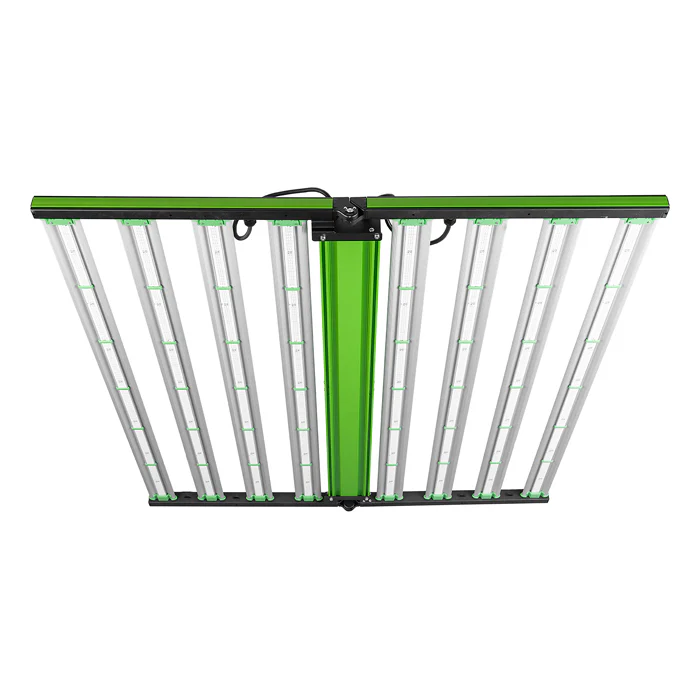
Some growers even switch back to HPS (High-Pressure Sodium) during the winter months just for the heat output. However, a better solution is often just to adjust your lung room temperature or use a small, oil-filled space heater (never point it directly at the tent or the plants) to keep the ambient air stable.
The Impact on Watering and Nutrients
As the environment cools down, your plants’ metabolism slows down. They won't be drinking as much water as they did during the 90-degree August heatwaves.
- Watch for Overwatering: Because evaporation is slower in cooler temps, the medium stays wet longer. If you keep your summer watering schedule, you’re going to end up with root rot or fungus gnats.
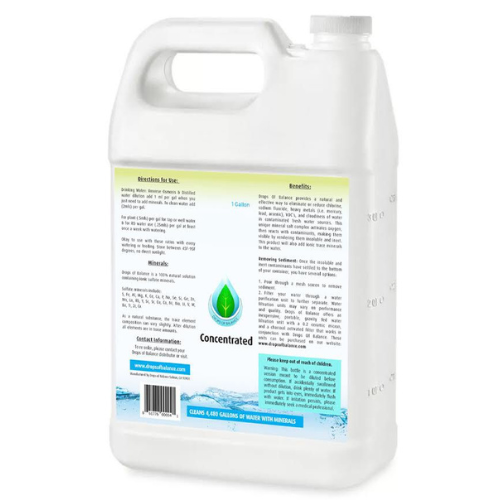
- Mineral Balance: When plants drink less, they take in fewer nutrients. This is a great time to ensure your water quality is top-notch. Using something like Drops of Balance helps ensure that the minerals you are providing are in a form the plant can actually use, even when its metabolism isn't running at full throttle.
- Root Protection: Cold roots are stressed roots. This is the perfect time to double down on your microbial life. Adding mycorrhizae can help the plant's root system stay resilient against the stress of temperature fluctuations. Just make sure you aren't making common mycorrhizae mistakes like using too much phosphorus, which can kill off the beneficial fungi you just paid for.
Managing Odors and Airflow
Fall is also the time when many growers are finishing up their outdoor plants and bringing them inside to dry, or their indoor plants are hitting the peak of the flowering stage. This is when the smell becomes a real factor.
The unfortunate thing is that as the air gets cooler and heavier, smells tend to linger longer. If you are in the flowering stage, your carbon filters need to be in peak condition. Cool, damp air can reduce the efficiency of the carbon inside your filter. If your RH spikes above 70% during a cold rainy fall day, your carbon filter might stop scrubbing the air entirely.

If you're worried about the neighbors or just want to keep the house smelling fresh, check your ventilation system now. Ensure your ducting is tight and that your exhaust fan is actually pulling air through the filter, not just spinning its wheels.
Final Harvest and Curing Considerations
If the drop in temperature coincides with your harvest, you’re actually in a good spot. Most growers struggle to keep their drying rooms cool enough. A solid 60°F / 60% humidity is the "Golden Ratio" for a slow, 14-day dry that preserves terpenes.
Fall temperatures often make hitting that 60-degree mark much easier than in the summer. However, the low humidity mentioned earlier can be a problem. If your drying room is at 30% humidity because the furnace is blasting, your harvest will "flash dry" in three days, leaving it smelling like hay and tasting harsh.
Using tools like Trim Bags for efficient processing and Boveda packs for long-term storage can help mitigate the risks of a dry fall environment. Proper drying and curing practices are what separate the amateurs from the pros, especially when the weather isn't cooperating.
Summary Checklist for the Fall Transition:
- Seal the Leaks: Check windows, doors, and the "lung room" for drafts.
- Monitor VPD: Use an app-controlled sensor to watch how your home heater affects tent humidity.
- Insulate the Roots: Get your pots off the cold floor. Use a riser or a piece of foam insulation.
- Adjust Light Cycles: Consider running lights during the day if the nights are getting too cold.
- Scale Back Watering: Don't drown your plants just because you're used to a summer schedule.
- Check Your Filter: Ensure your carbon filter is ready for the heavy odors of late flower.
It seems more like a lot of work, but most of these adjustments only take an hour or two on a Saturday. Taking the time to dial in your environment now means you won't be dealing with a "rescue mission" in October when the first frost hits. Keep your environment stable, and your plants will reward you with a heavy, terpene-rich harvest.


Leave a comment
This site is protected by hCaptcha and the hCaptcha Privacy Policy and Terms of Service apply.